
Our last day in Bhutan would be the highlight of our trip. The short acclimatisation hikes to date were in preparation for our ascent from Paro valley up to the Tiger’s Nest Monastery, the iconic picture of the white and gold temple complex clinging to the cliff side.
Only 500m of vertical ascent, but a total of 1000m of undulating climbing, the path up to the monastery has been improved since a devastating fire in 1998 largely destroyed the site.
Our starting point was at 2600m, altitude starts to become noticeable as we climb. We walk at our own pace, recongregating at points along the path before setting off again.
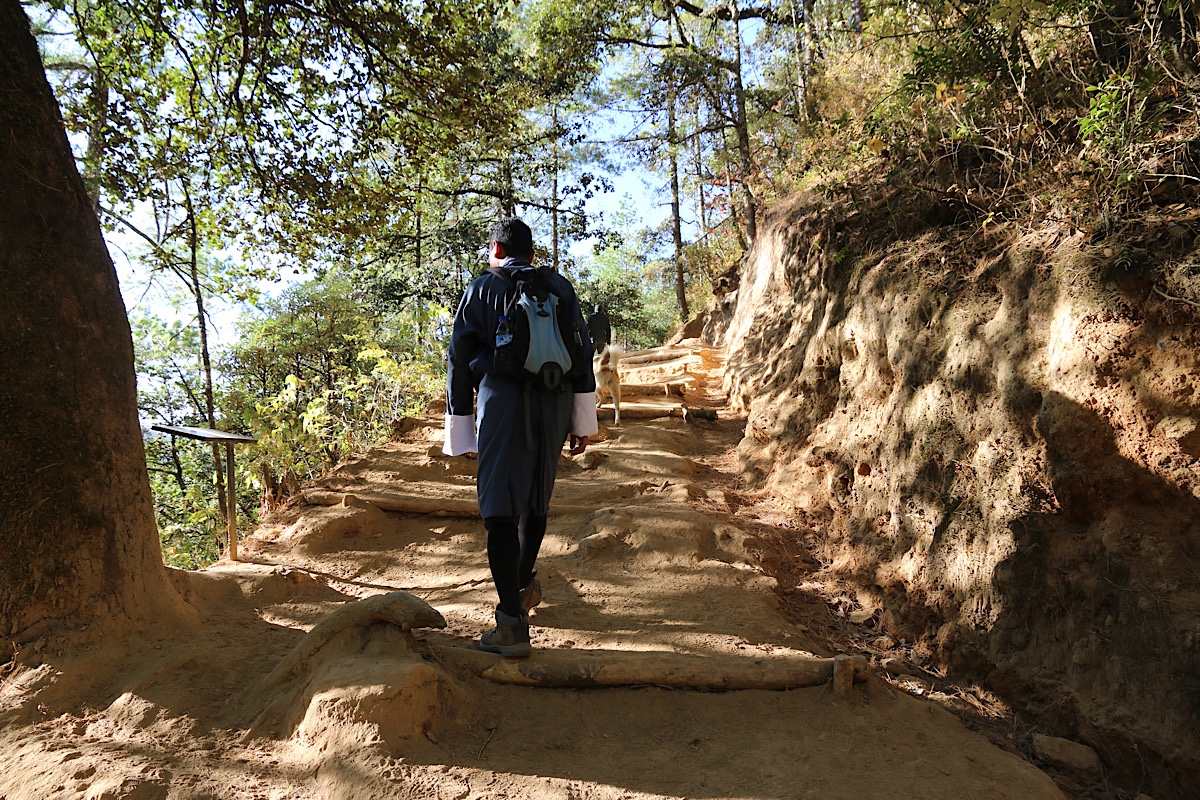
It’s a straightforward walk to the midpoint, a small cafe serving free tea, coffee and crackers. As with everywhere in Bhutan, stray dogs mill around at our heals when we stop, looking for scraps that are readily provided by the locals, in line with Buddhist tradition. Many of the dogs are pretty scraggly, but friendly enough.
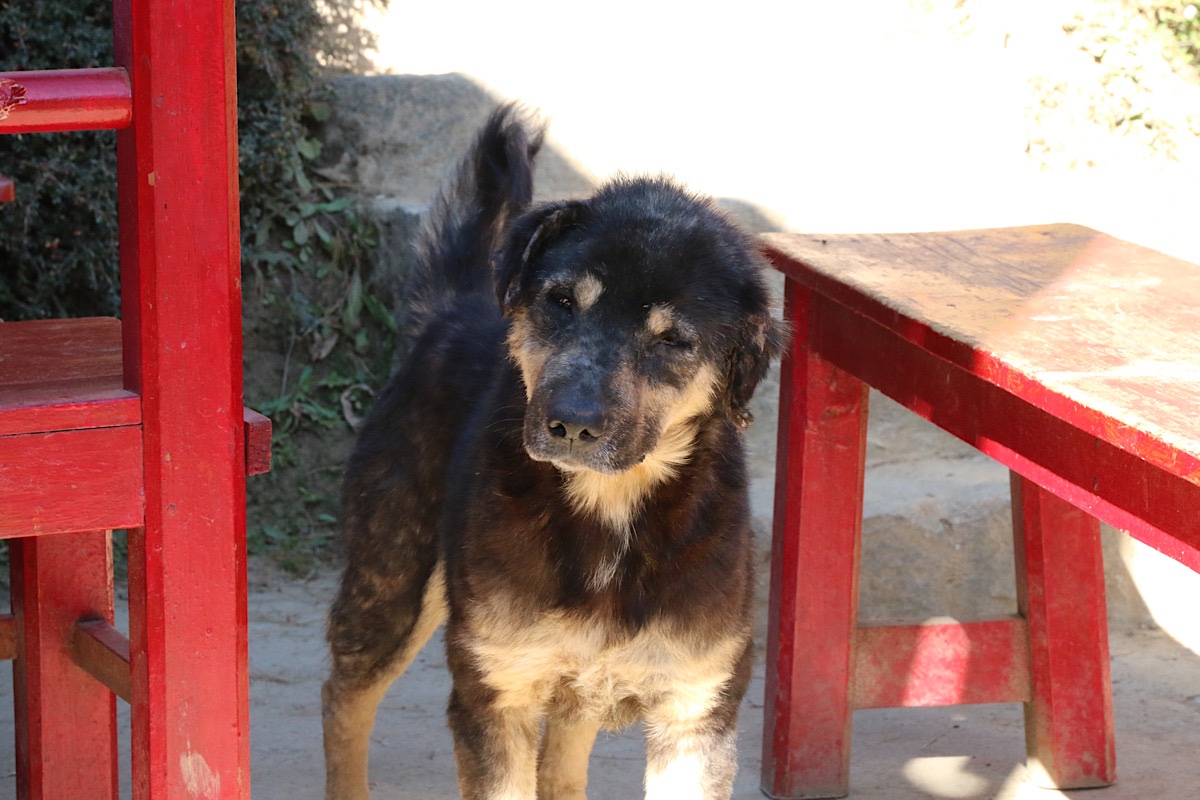

These mutts are fairly docile during the day; sleeping in the sunshine on pavements, and in roads. At night, the barking starts, and the packs roam the streets. We had to wear earplugs at night. Hang’ told me that they are a problem and are known to attack if you’re walking alone at night, but cannot be culled. Those with a clipped ear have been neutered, but it’s clear from the number of puppies we met, it’s not a strictly enforced policy.
As we ascend, we’re passed by trains of rugged horses, carrying sacks of sand for a new building being erected by the cafe. We’re told to stay close to the mountain-side of the path, as the horses have been known to topple people off the edge; many have died on this once narrow path.
Pressing onwards, none of us elect to stay at the cafe and we all push forward climbing higher; stopping frequently to take more photos (quite carefully – we were told of a Thai lady who fatally stepped backwards off the path in 2014 while taking a snap). Reaching our highest point at 3116m, the iconic panorama comes into view. It’s an amazing sight and a just reward for the climb:

We descend 400 steps into a steep gully, cut deeply by a fine waterfall. Crossing a small bridge over the river, we ascend a further 200 steps to the temple itself. Checking our phones, bags and cameras into a locker, we explore the haloed pilgrimage with our shoes off, soothing our aching feet on the cool rock floor. The buildings are hewn into the rock itself. A place of more ritual and mysticism, at one spot, we’re invited to close our eyes and pace a few steps, to accurately place our thumb in a worn and thumb-blackened divot in a revered rock; another lucky superstition to add to the vast canon in this land.
The temple is visited by almost all tourists of Bhutan; many of whom arrive from India to pay homage at the holy site. Offerings of water, food, precious stones and bank notes are left at the many points of worship. Unlike some other religions, these donations do not go to the monastic order, but are redistributed to the needy.
After our visit, we make our way down at our own pace, enjoying the warm sunshine and chatting as we descend. We spend an hour in Paro, souvenir shopping, before returning to the hotel for a much needed shower and rest before our last dinner with our group.
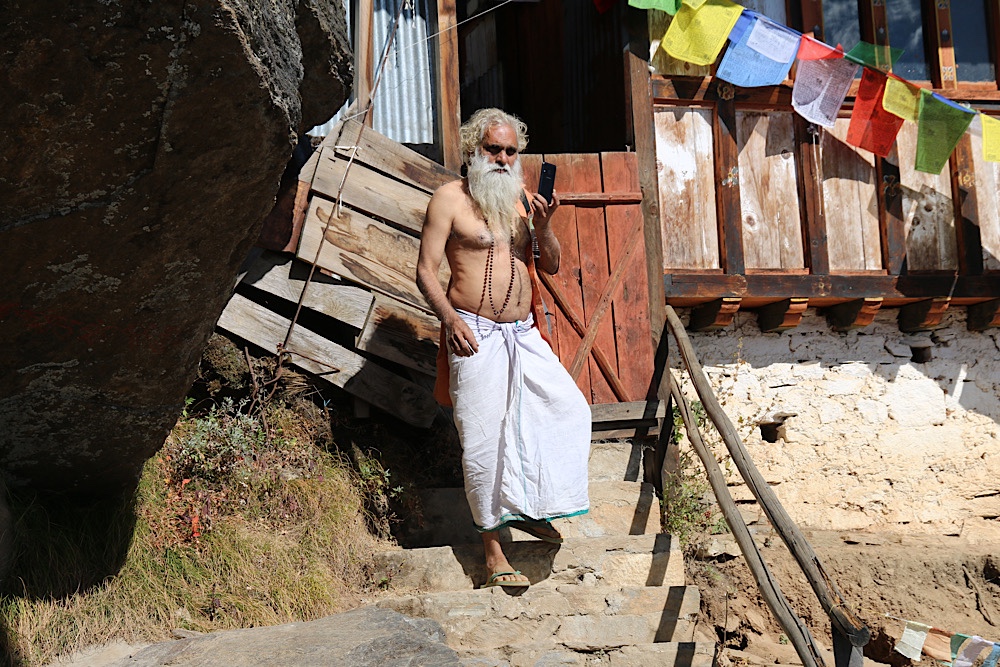
Our visit to Bhutan has been short, but we can see why it holds such appeal. The barriers to entry are high, with a minimum cost of $250 per person per night and difficult routing from most western lands, it’s an expensive trip. As Hang put it, “high value, low impact” tourism. This limits effect of tourism on their peaceful country; a lesson learned from their neighbouring Nepal which has been ravaged by culture-hungry visitors (see earlier post: 4 days in Nepal).
It would have been great to do more trekking on this trip. Our visit has been largely confined to the more populated, culturally-rich parts of the country, but this is a land mountain passes, of snow lions, tigers, elephants and rhinos, in addition to the weird-looking national animal, the Takin (which we visited at a stop to a sanctuary). It’s a beautiful place to roam.

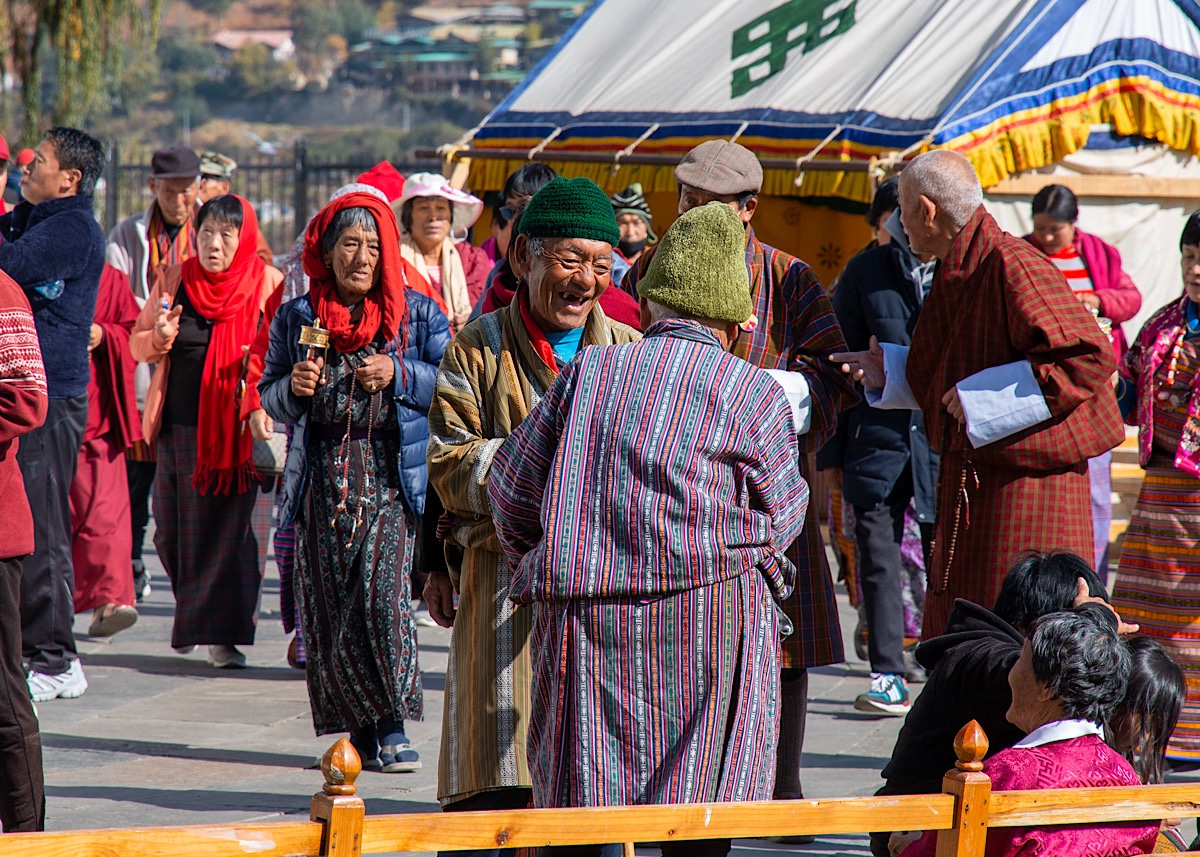
I’d love to say I’d come back here, but I also like to think I wouldn’t be allowed. Like our visit to Machu Picchu in 2015, it was a genuine privilege to visit this land, but I feel that I’m part of a problem that will eventually overrun and irreparably change this country of happiness, harmony and colour.
 Travels with Sklaroffs