
The following morning, Shona and I went for a run along the Aswan river side, which was a pretty unpleasant experience – not just the grime, fumes and traffic but for Shona, the stares and [Arabic] comments from the groups of men and teenage boys. We’re both acutely aware that this isn’t our culture, and we’re the visitors here, but it’s jarring nonetheless.
After another flood in the bathroom, we went to explore the market without Ahmed, getting a far better feel for the place. It blended from being a tourist market (tat shop after tat shop), to a proper local market. In the tourist section, the constant badgering from the hawkers was easy enough to brush off and was at times comedic: “No hassle shop. Come in, I no hassle you”. The local market was packed with stalls selling breads, fruits, vegetables and spices, and slightly off the beaten track – away from the errant tourist’s gaze were street vendors with caged chicken, pigeons and rabbits; big slabs of meat, hanging with the flies in the morning sun.
We left port at 1pm, and started our journey along the Nile, sailing towards Luxor. We stopped at Kom Ombu temple at dusk and explored a large temple dedicated to Horus and Sobek. The best part was a museum of 2500 year old mummified crocodiles! Why there hasn’t be a movie made about Croc-o-mummy, I have no idea.

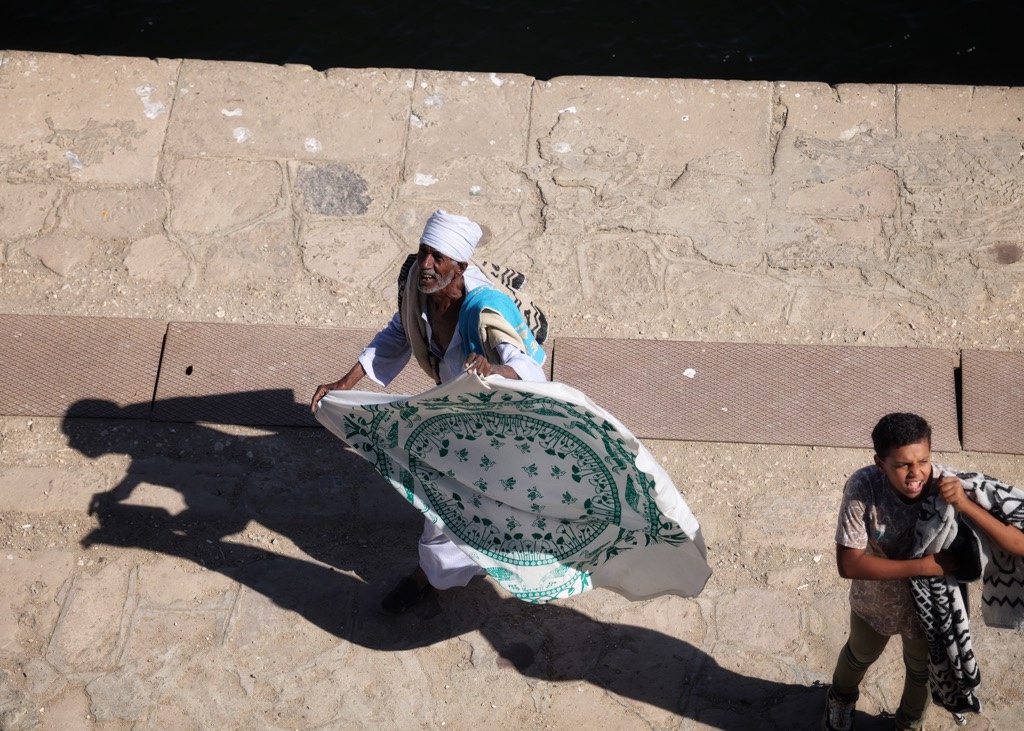
Having dinner back on the boat, we sailed overnight to Edfu, where we moored. The next day, we set off again, and passed through the Esna locks, dropping the water level by at least 5 metres, all to the accompaniment of hawkers trying to sell their wares to the tourists on deck – many metres above. They threw their wares up from boats or the lock-side to be caught by the tourists who then returned the items or money. We saw a couple of terrible tourist throws into the drink.
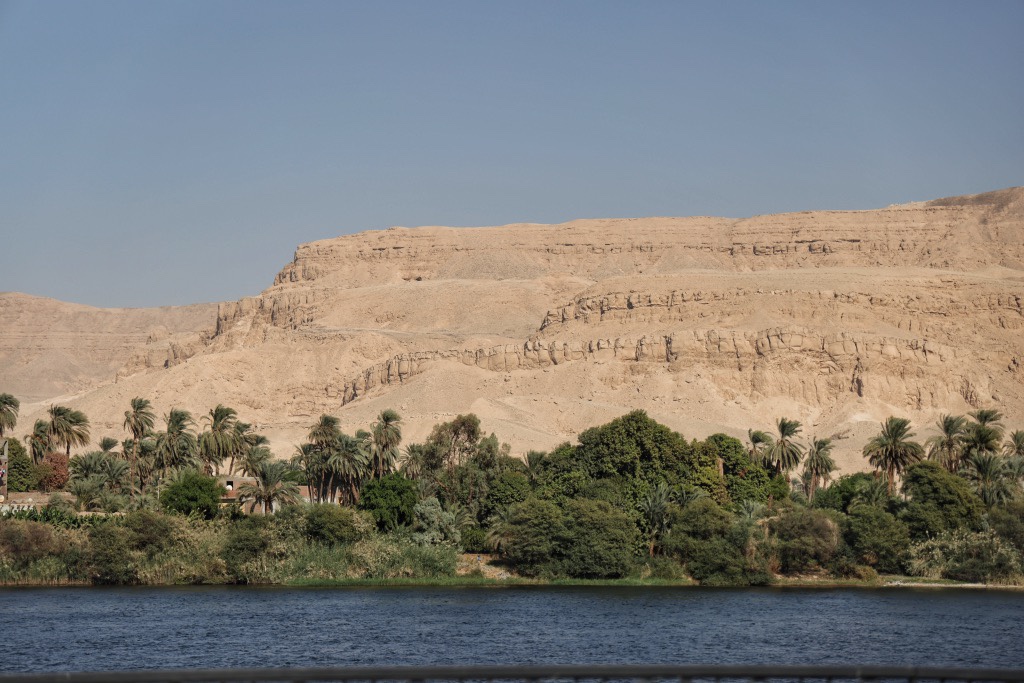
This part of the journey along the Nile was lovely. The glistening water was framed by lush vegitation, abutted by a backdrop of desert rolling into the distance on both sides. Settlements along the banks spoke of a more traditional life; locals washing clothes at the riverside; fishermen out in traditional boats for their catch and donkeys pulling carts along dirt tracks. The Nile is artery of life carving through northern Africa.
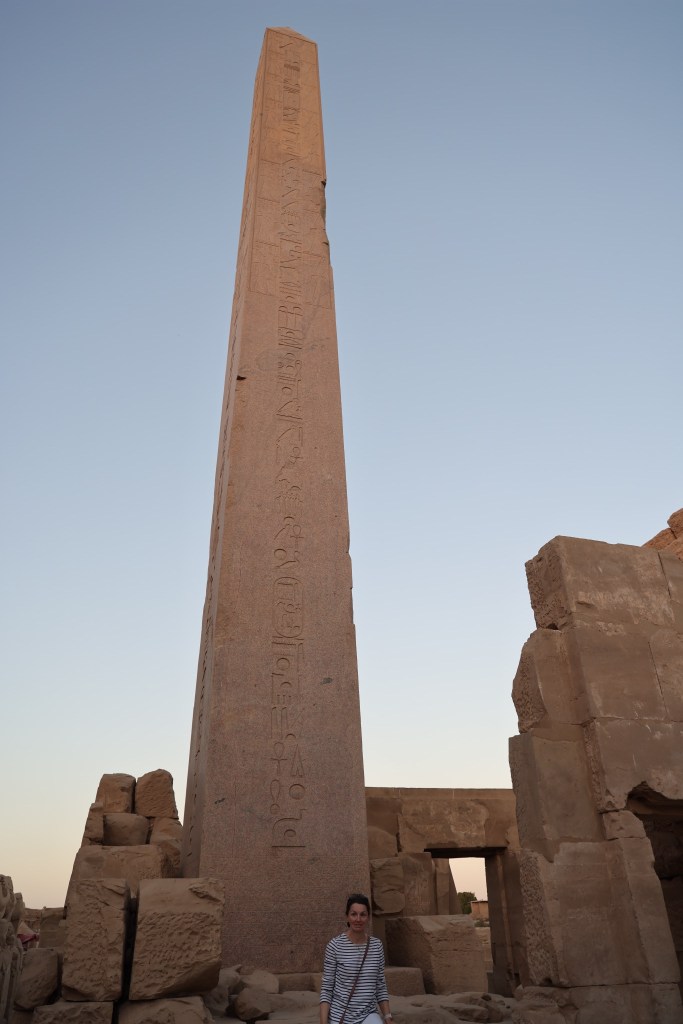
On arrival in Luxor, we decamped from the boat to visit Karnak temple. Yet another increase in scale, this complex was built over 200 years. An Obelisk survives here, with others looted or given away over the centuries. I asked Shona to hop up on a wall for a photo. She got told off by a security guard. Shona doesn’t like being told off. Trouble for Ben 😳.

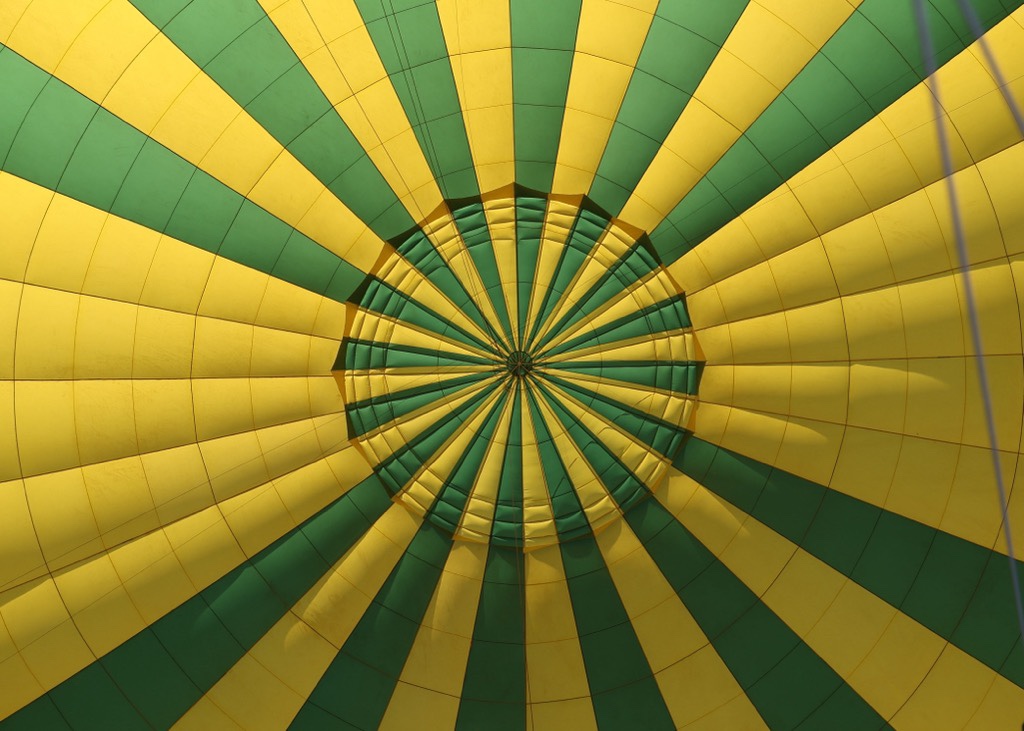
The next morning, we were up at 5am, collected from the cruise boat and taken by small boat and bus to take a trip over the Valley of the Kings by Hot Air Balloon.
Suffice to say, it was a spectacular experience, and despite having done similar in Cappadocia a few years back, it lost none of its wonder. We again got to see the clear tract between life and desert, overlooked Queen Hatshepsut’s temple and saw the huge area excavated by Howard Carter and his crew before discovering Tutenkhamun’s temple here.

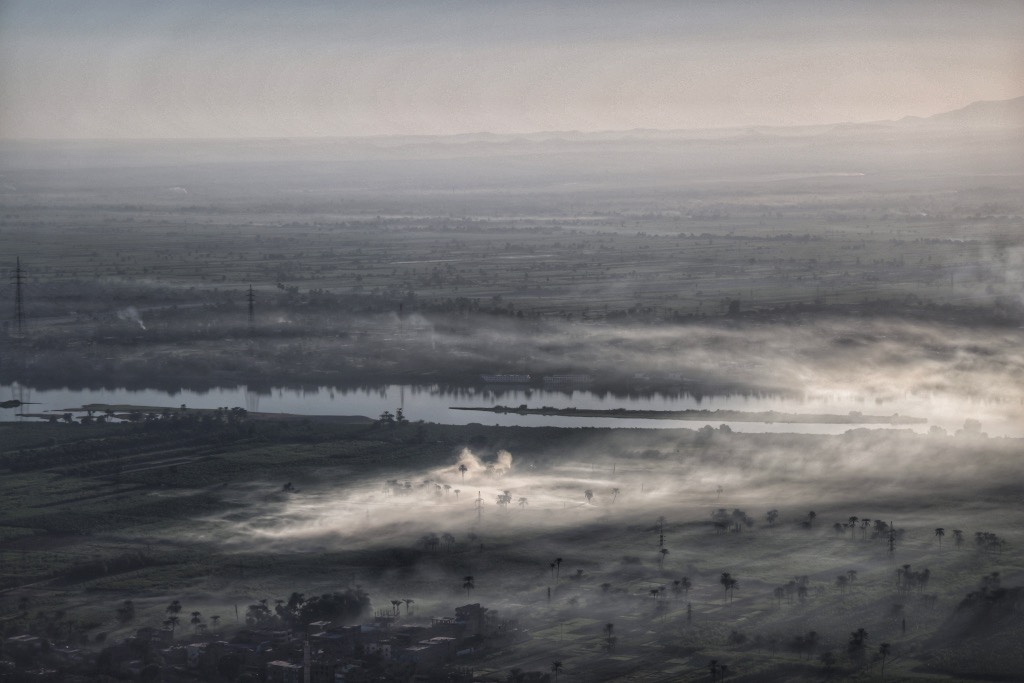

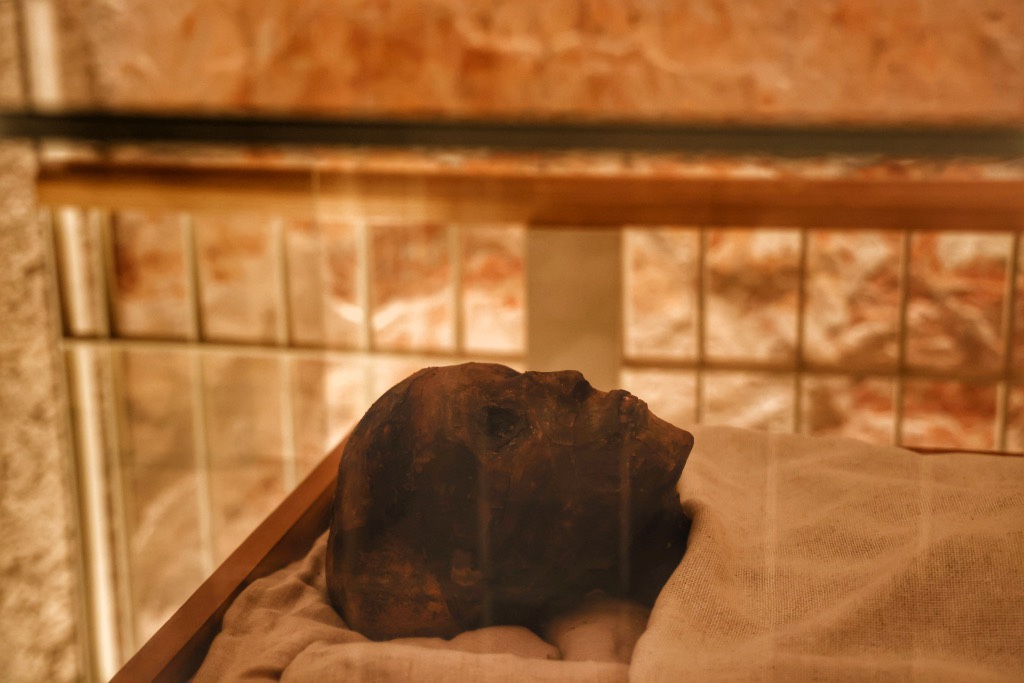
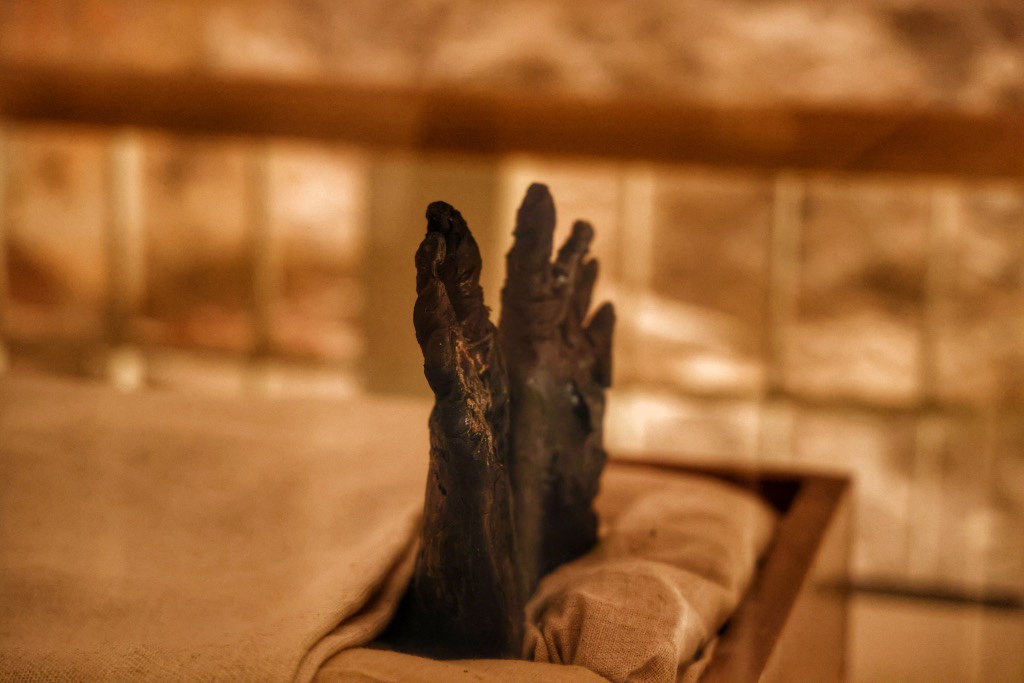
Returning to the boat, we checked out and headed for the Valley of the Kings. Driving up a road into the desert (see image above – it was the bit on the right), we stopped and walked the last section in the baking heat before heading to explore the tombs. The first we stopped at was Tutankhamun’s own – a relatively small affair, which recently has had a new chamber discovered… it will be fascinating to hear if they gain access. Other tombs of Rameses 9th, Sety II, and the most impressive, Merenptah – a very deep, precisely cut tunnel deep into the hillside with a huge burial chamber, complete with vast granite sarcophagus lid.
We transferred to our hotel, the Sonesta St George and chilled out for a couple of hours in the afternoon (going for a walk, getting hassled A Lot, and coming straight back). The St George backed onto the Nile with a lovely lawn, pool and dining area – it all felt rather reminiscent of Agatha Christie novels.
Later that evening, we walked to our last Temple visit – Luxor Temple. In the night-time, the temple complex was lit up beautifully and resplendent with Sphinxes and Ram-sphinxes (I’m not sure of the actual name), the Colonnade was a sight to behold. 7 pairs of 16m high columns paved the way into the temple which boasted 130 stunning columns.

After wandering around the temple, we decamped to the Winter Palace hotel, for a colonial renaissance in a beautiful hotel set in the centre of Luxor. With manicured gardens and a lovely outdoor bar area, it was a welcome reprieve from the dust and bustle of the Egyptian streets.
We parted ways with Ahmed and the other travellers at the hotel that evening, having a quiet dinner, and a comfortable night before being picked up for a long drive over the desert to Hurghada the next morning.
 Travels with Sklaroffs