
Istnanbul, Turkey
We flew to Turkey on the 25th of August. A relatively swift journey, with a taxi ride to our Airbnb in the Galata region of Istanbul. We were joined by Emma and Mark a few hours later, and after hello’s and much chat, we ate at a local restaurant, overlooking the Galata tower.
The next day was spent on a whirlwind tour of Istanbul. Leaving relatively early, we walked down to the Bospherous river. The roads were eerily empty, but some swift googling confirmed there was a half-marathon in Istanbul today, shutting the streets to traffic.
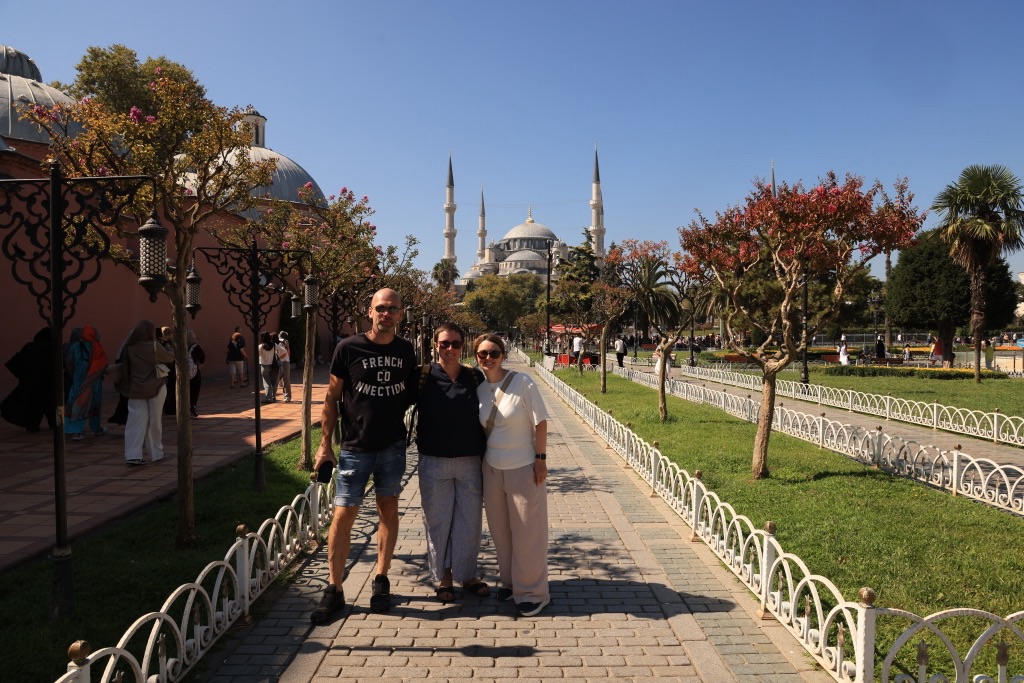
Crossing the bridge, we explored many of the iconic sites in Istanbul, starting with the Topkapi Palace Museum, then the Hagia Sophia Mosque, followed by the stunning Blue Mosque.
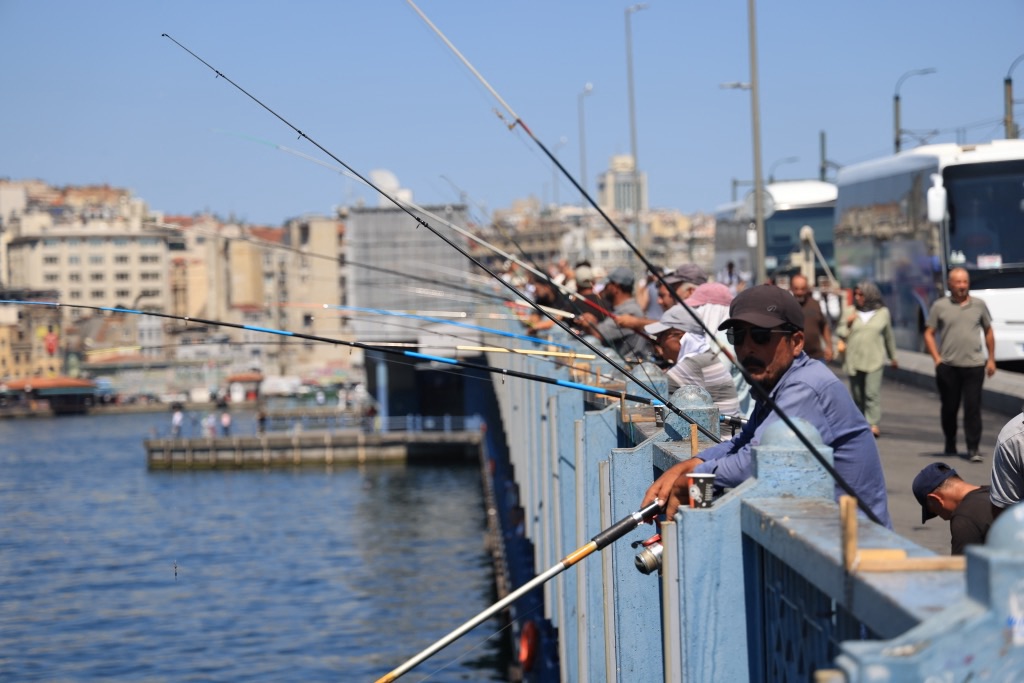
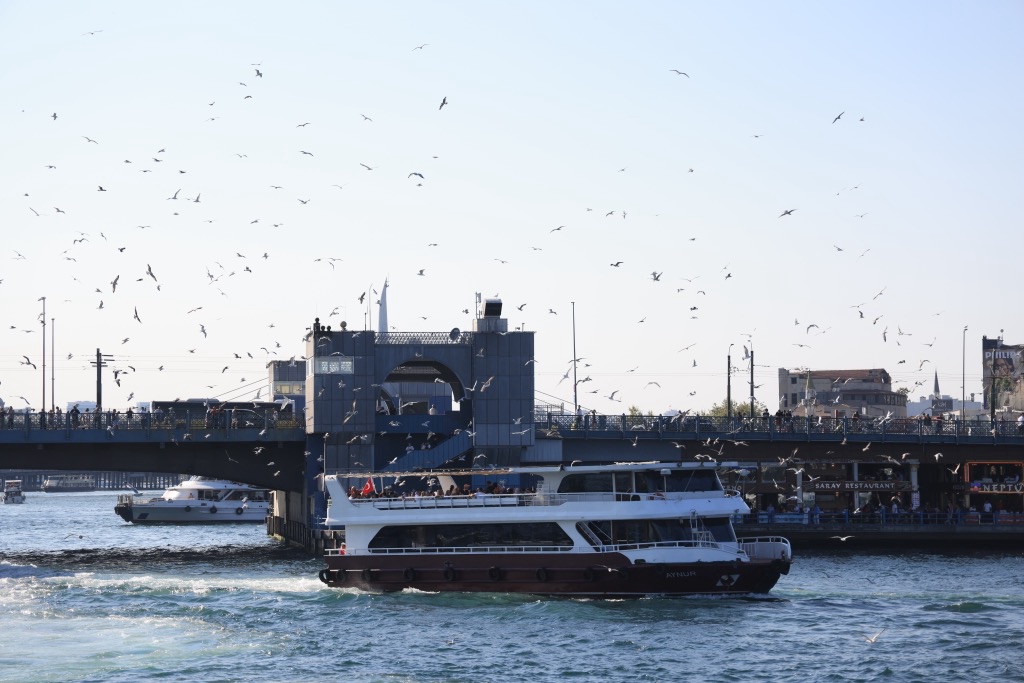
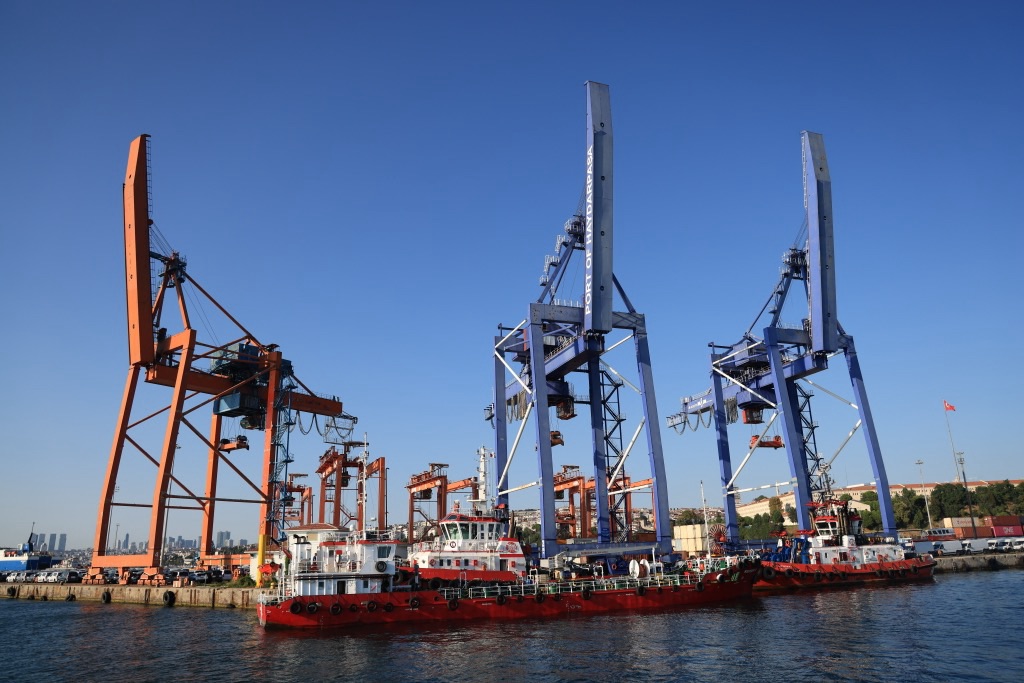
We’d last visited here in 2018, and the biggest immediate change we noticed was the cost. Entry to many of the sites has sky-rocketed; apparently the result of private partnerships and exploiting the value of tourism. We declined to pay some of the exorbitant entry fees, but enjoyed the scenery, and the walk in the intense sunshine. We stopped to visit another grand mosque and then, after a nice long lunch, hopped on a local ferry from Karakoy taking a ride over to the Asian side of Istanbul. Spending a couple of hours cruising along the water was a great way to see more of the city for very little cost.
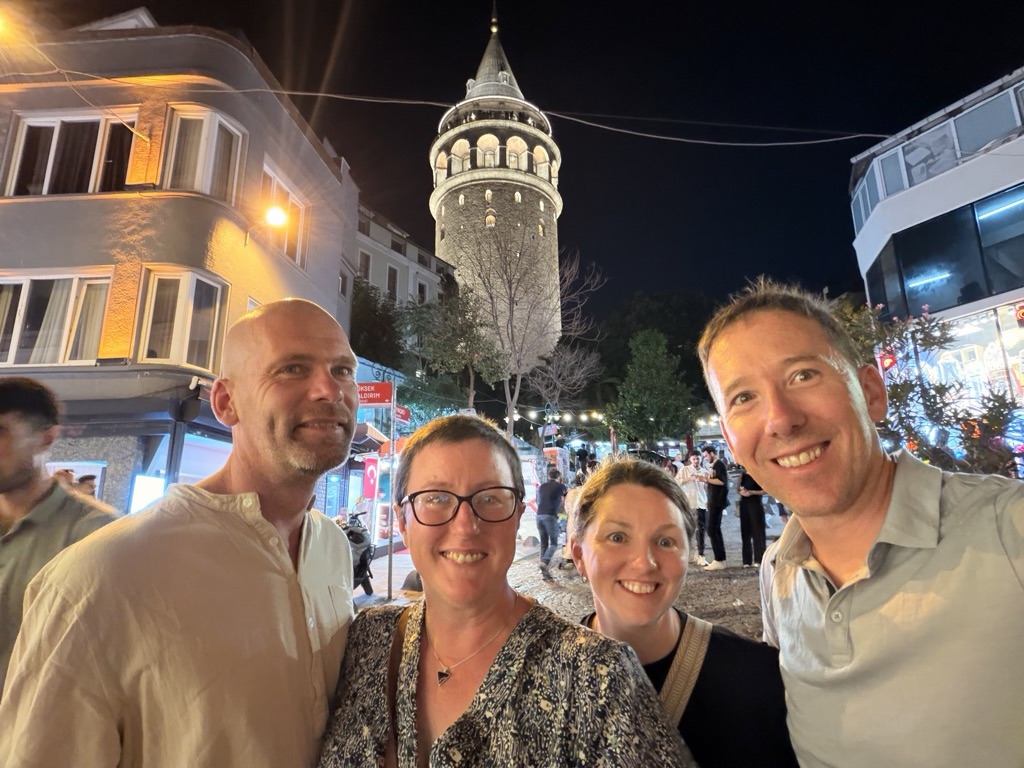
Retiring to the apartment, we showered, had a pre-dinner drink then found a local restaurant for the evening. Sun-kissed, satiated and sozzled, after a long but very enjoyable day, we all headed to bed. The next morning, Emma and Mark left early to catch their flight to Sofia, and to collect our car for their journey home.
We spent the day organising ourselves for the next section of the trip, buying supplies, replacing clothes and shoes, getting passport photos, and ensuring we had sufficient US Dollars for the next section of the trip, which would start the next day in Turkmenistan.
Ashgabat, Turkmenistan
We made our way to the main Istanbul Airport via the Metro the next morning. We used our excellent Priority Passes to gain access to the terrible lounge at IST airport before boarding our flight to Turkmenistan.
We knew the Turkmen border would be a bit challenging and despite having a letter of invitation to visit, it was a heavily bureaucratic process. After paying out many dollars for visas, admin fees, and Covid tests (that we didn’t have to take, but had to pay for), we eventually cleared the multiple layers of passport checks and bag scans and were released into a beautifully clean Ashgabat airport. We had already identified the other people who were joining our tour – we all kind of stood out – and so by the time we’d cleared passport control, we were well acquainted.
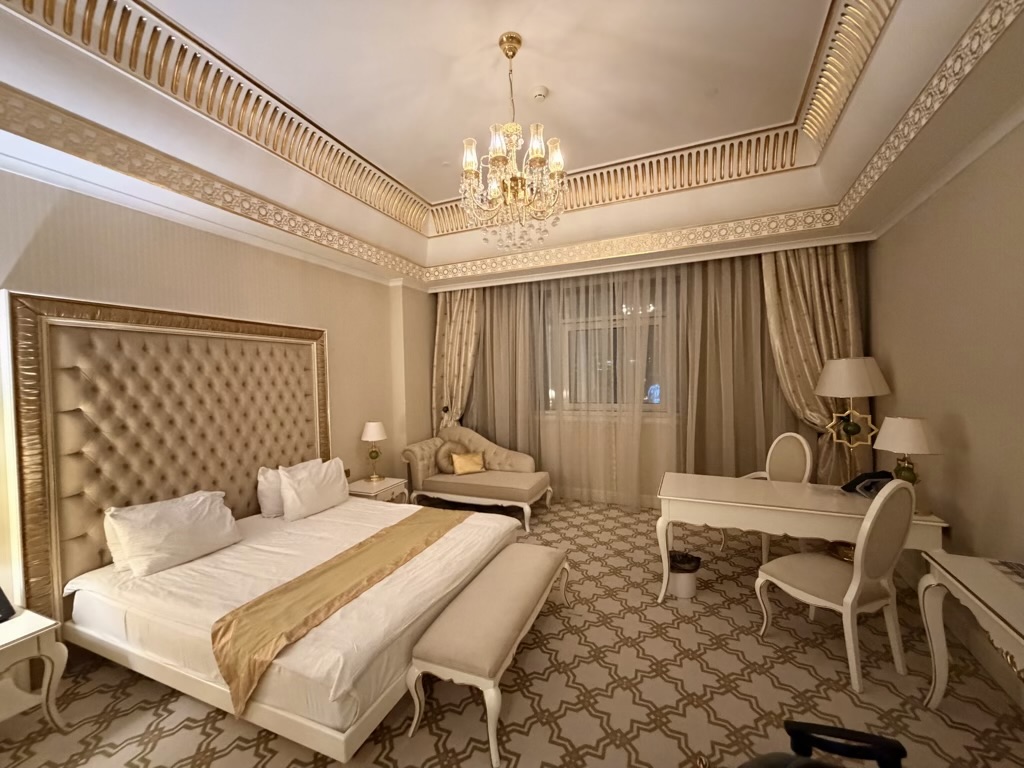
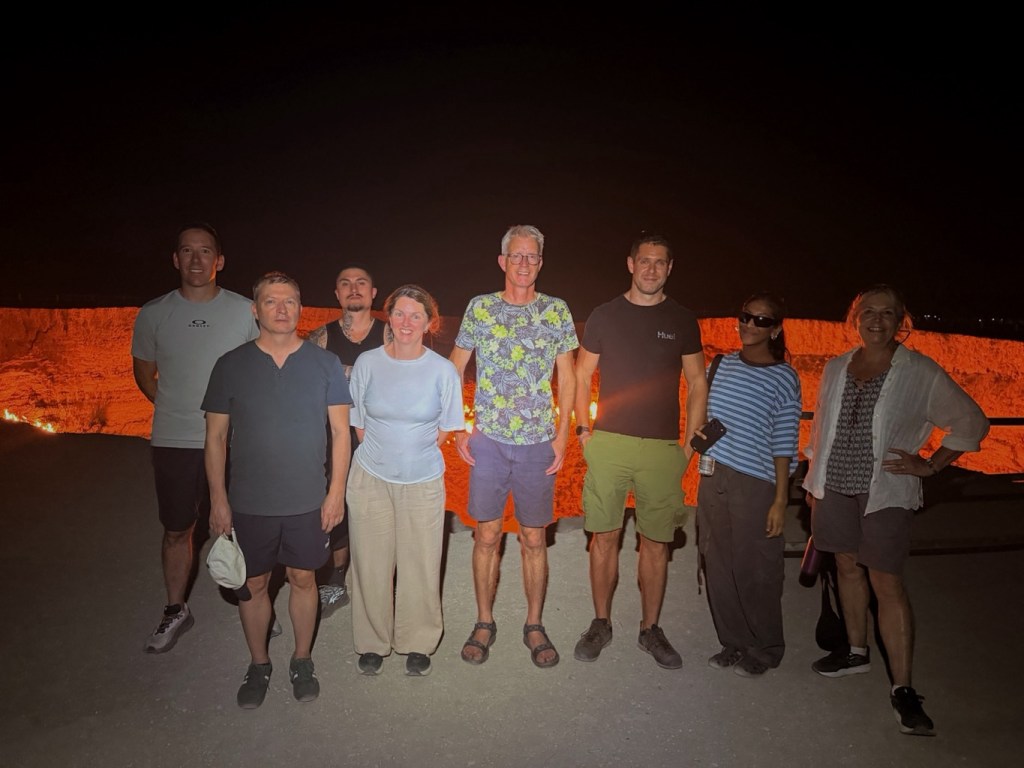
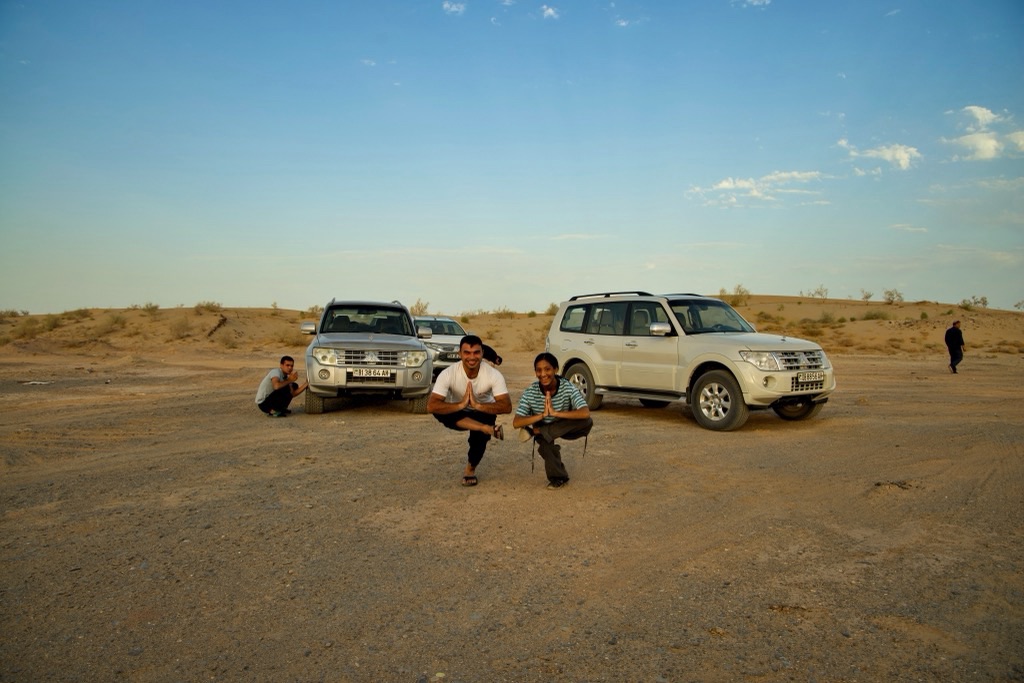
Met by Rejep, our guide for the next 4 days, we transferred to the nearby Sport Hotel in a convoy of three white cars. We are travelling with seven others for the next 24 days. Starting in Turkmenistan, it’s not possible to visit this country without a guide. A historically closed country, Turkmenistan gained independence from the USSR in 1991 and ever since has lived under a strict governmental regime. Despite loosening of border controls, the country is still very tightly controlled, with tourist movement limited to approved sites. Journalists are not welcome and freedom of press is restricted. Photography is also curtailed, with no pictures of government buildings or staff permitted.
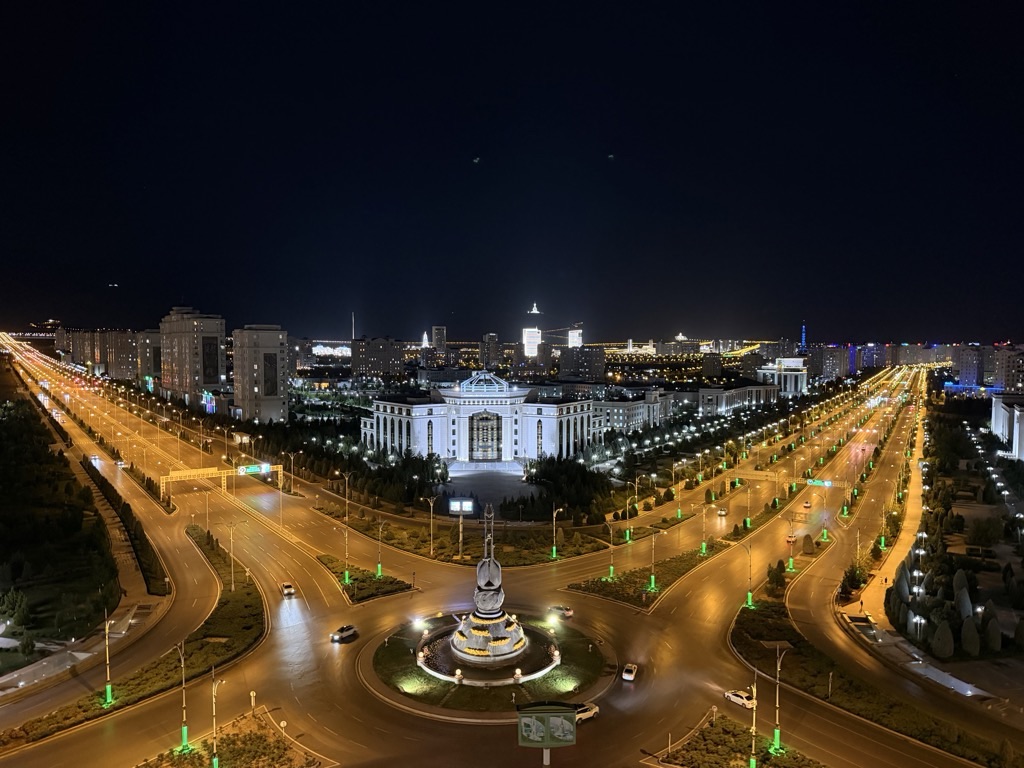
It was dark by the time we made our way into Ashgabat, the capital, and our journey was set aglow by neon lights illuminating the grand white buildings lining the wide avenues.
In 1948, a massive earthquake struck Ashgabat, reportedly 9.2 on the Richter scale. This resulted in almost total destruction of the city, with a loss of up to 130,000 lives – around 80% of the city’s inhabitants. Generations were lost and under highly censored Soviet rule, the event itself was little reported, and recovery was hampered and slow.
After independence, Turkmenistan was ruled by Saparmurat Niyazov ‘Türkmenbaşy’. Previously the first secretary of the Communist Party of Turkmenistan under Soviet rule, he became the de facto ruler and autocrat of the new independent country for the next 15 years until his death in 2006. He sadly lost most of his family in the 1948 earthquake and under his rule, the new city of Ashgabat was built. Using the vast riches from Turkmenistan’s rich oil and gas fields, Niyazov built a gleaming white marble city, repleat with towering monuments and personal iconography. He remains revered by many Turkmen citizens to this day.
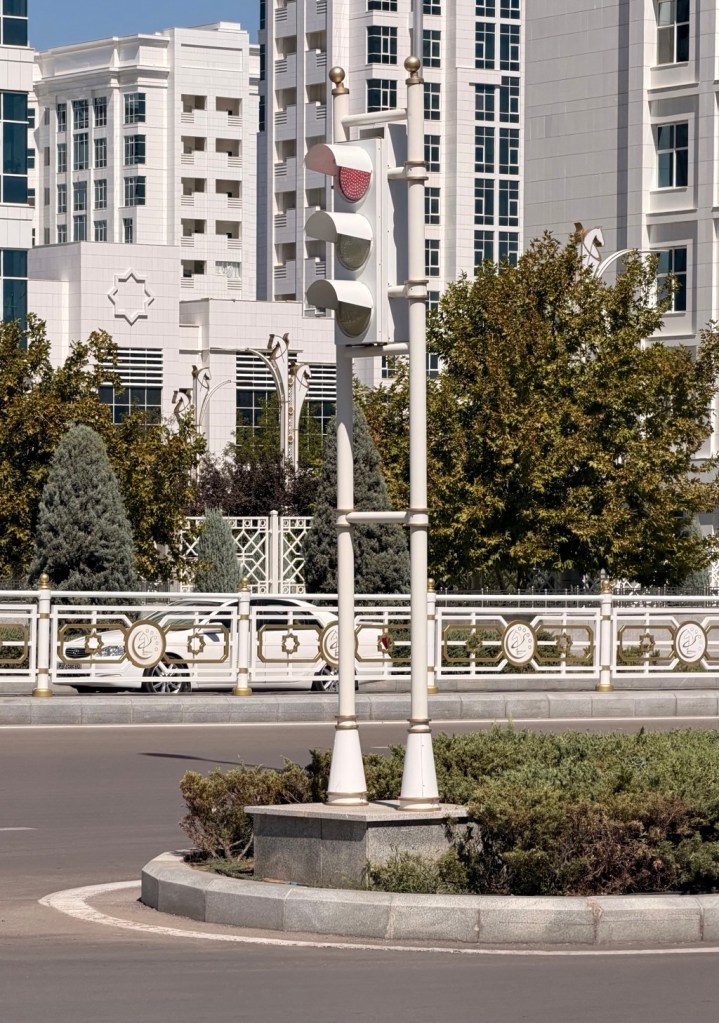
We spent the next morning relatively freely wandering around the locale near our hotel. We were staggered by the surroundings. The brilliant white marble was everywhere. Every building was oversized and shining white. All the cars were white or silver (by law). Buses were white. Even traffic lights were painted white (which causes the red light to look a bit insipid). Detailing was all in green, creating a highly stylised look. Turkmen icons abounded; horses and condors are national symbols, and of course the green Turkmenistan flags fluttered liberally across the skyline.
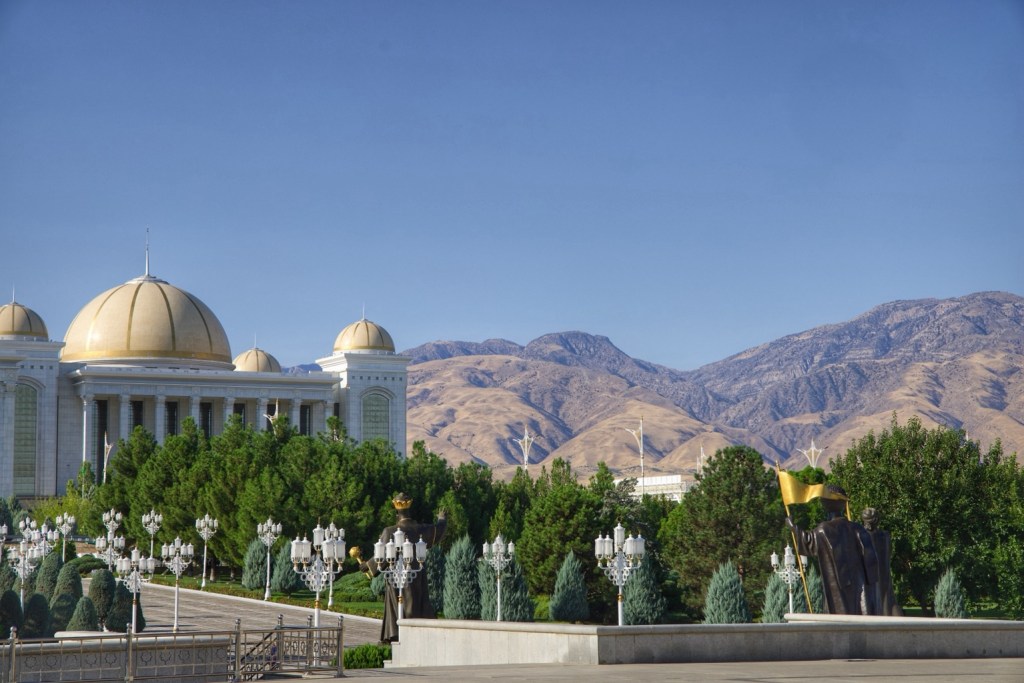
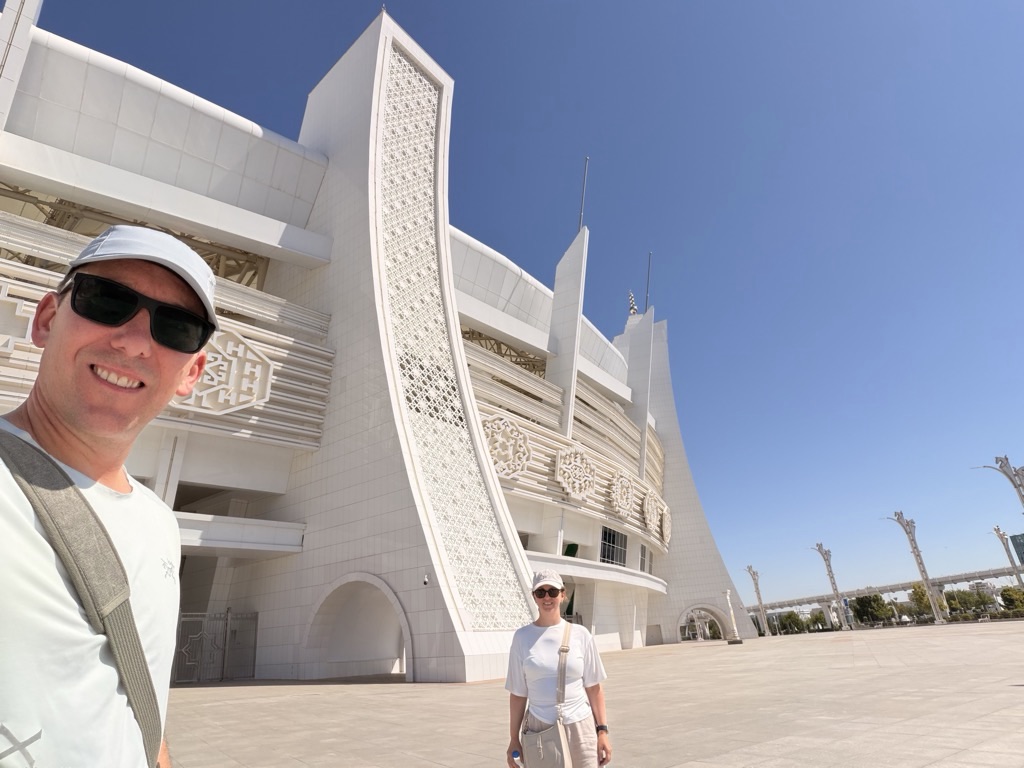
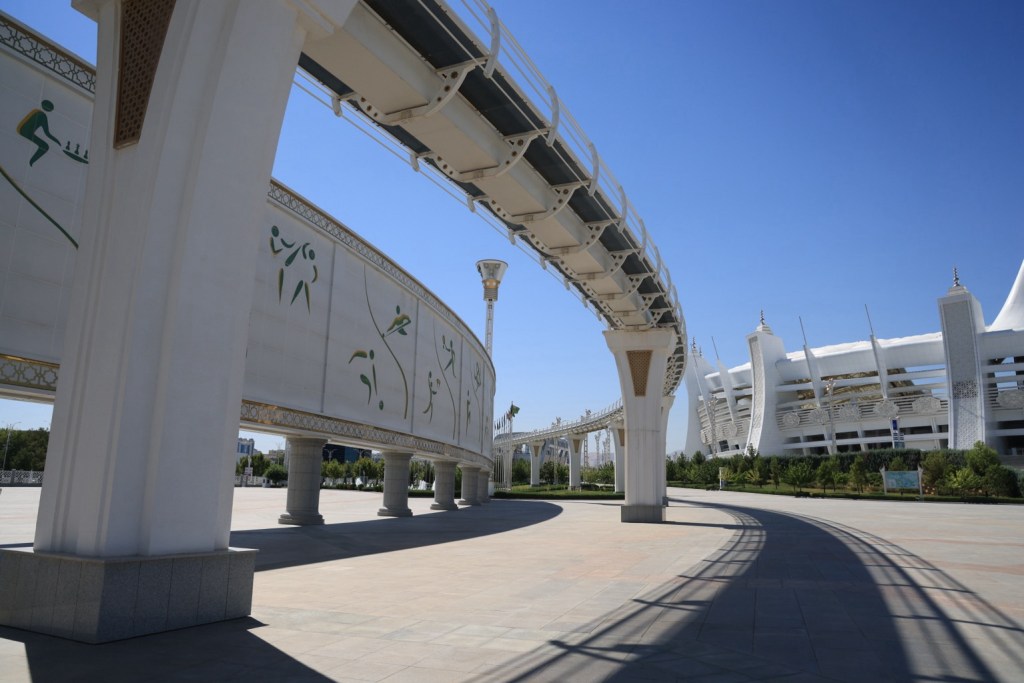
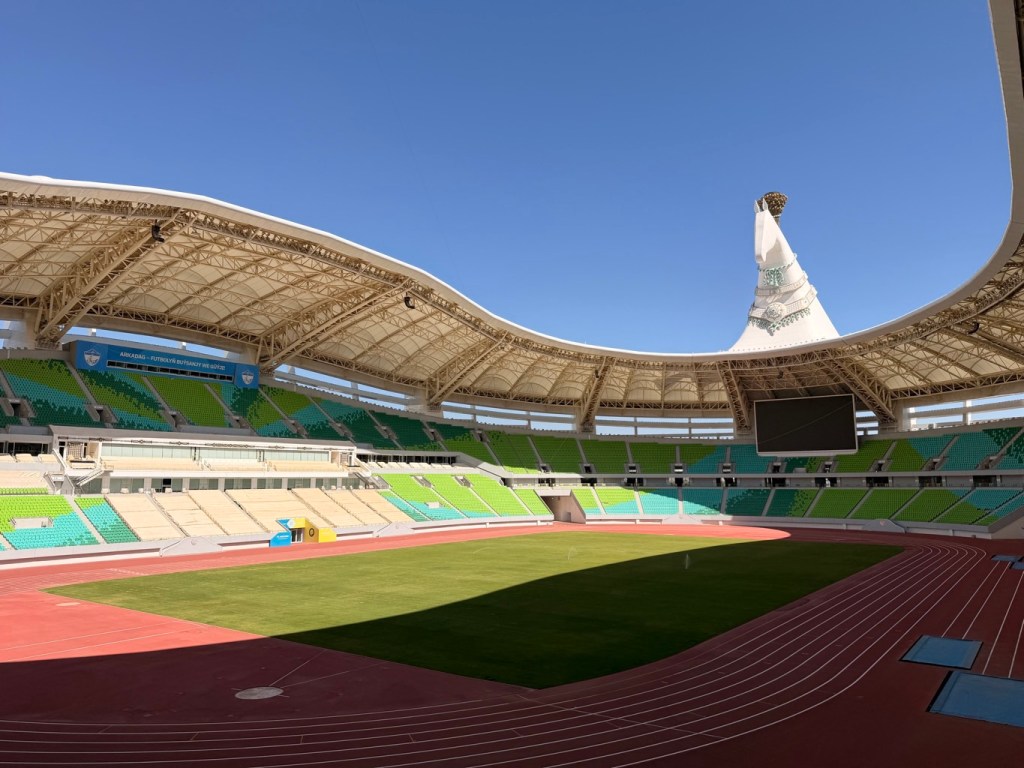
We decided to explore the nearby Olympic complex, adjacent to our hotel. This had been built to host the 2017 Asian Indoor and Martial Arts games, and walking around, it felt strangely post-apocalyptic. It was stunningly clean and beautiful. Fountains everywhere (like the wider city, despite being in the Karakum desert), but there was nobody there. Other than a few cleaners and gardeners, the whole area was completely deserted. We even walked into the stadium, somewhat foolishly, on reflection – Rejep was very surprised and said that he had never been [allowed] in there. A monorail running around the park was the only thing that wasn’t fully operational, but we’re certain that had it been running, it would also have been empty.
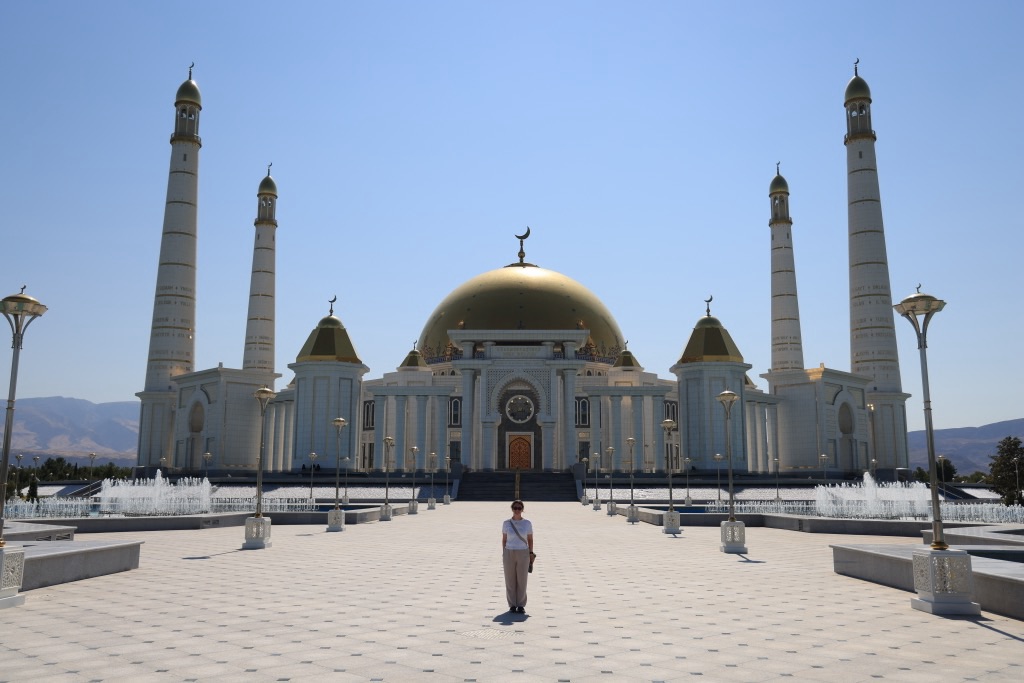
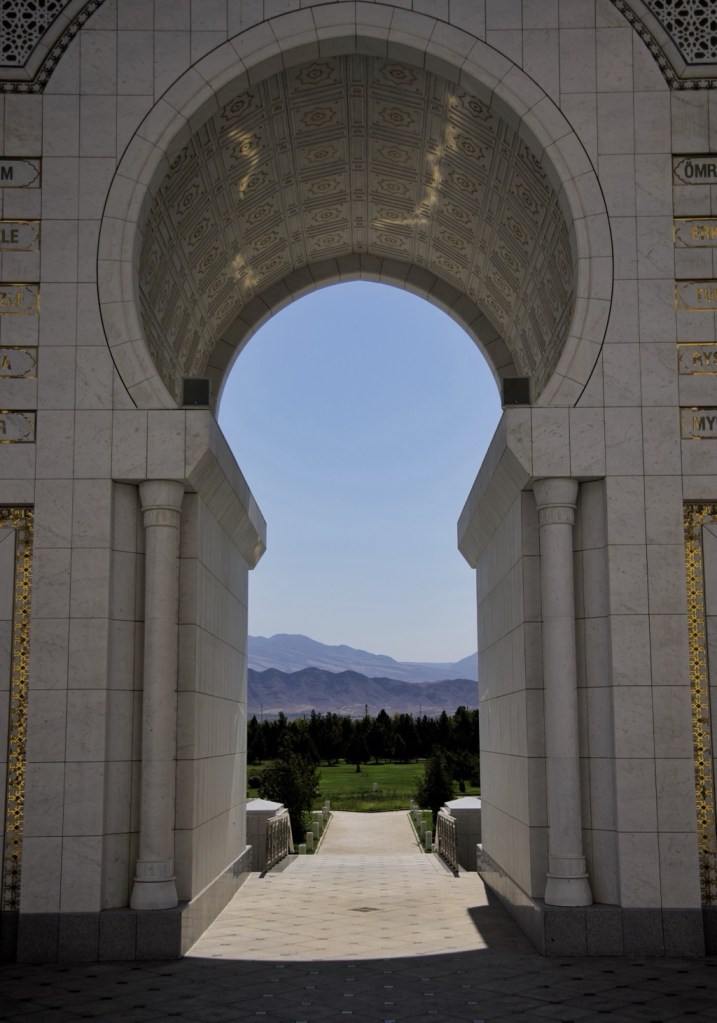
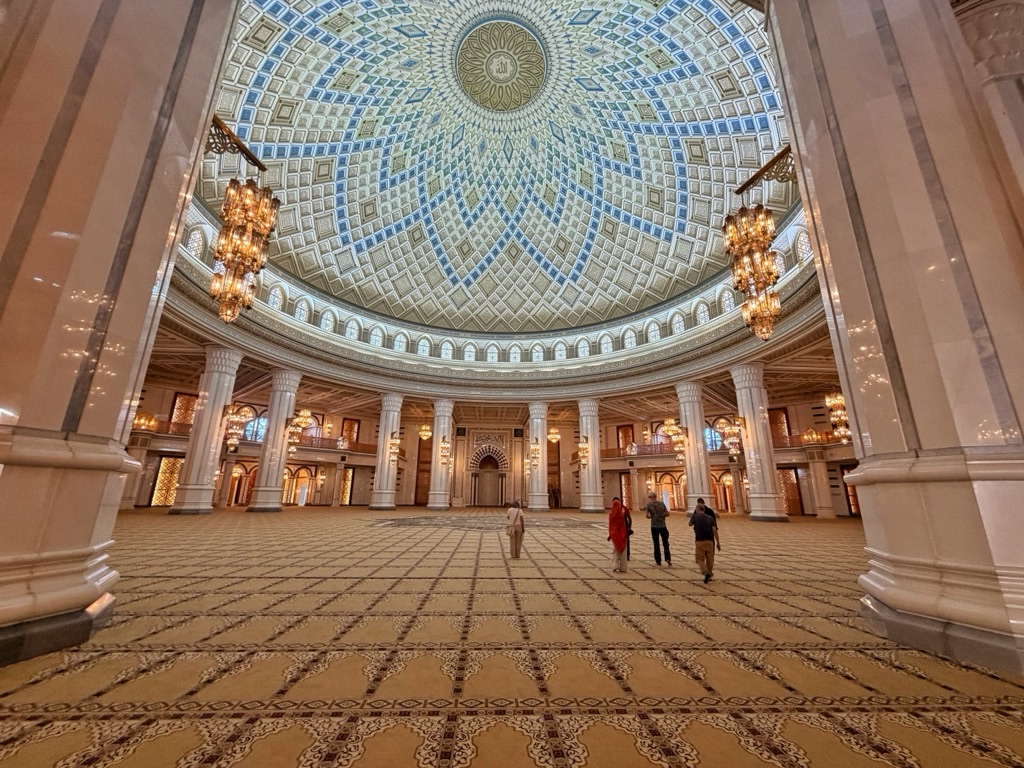
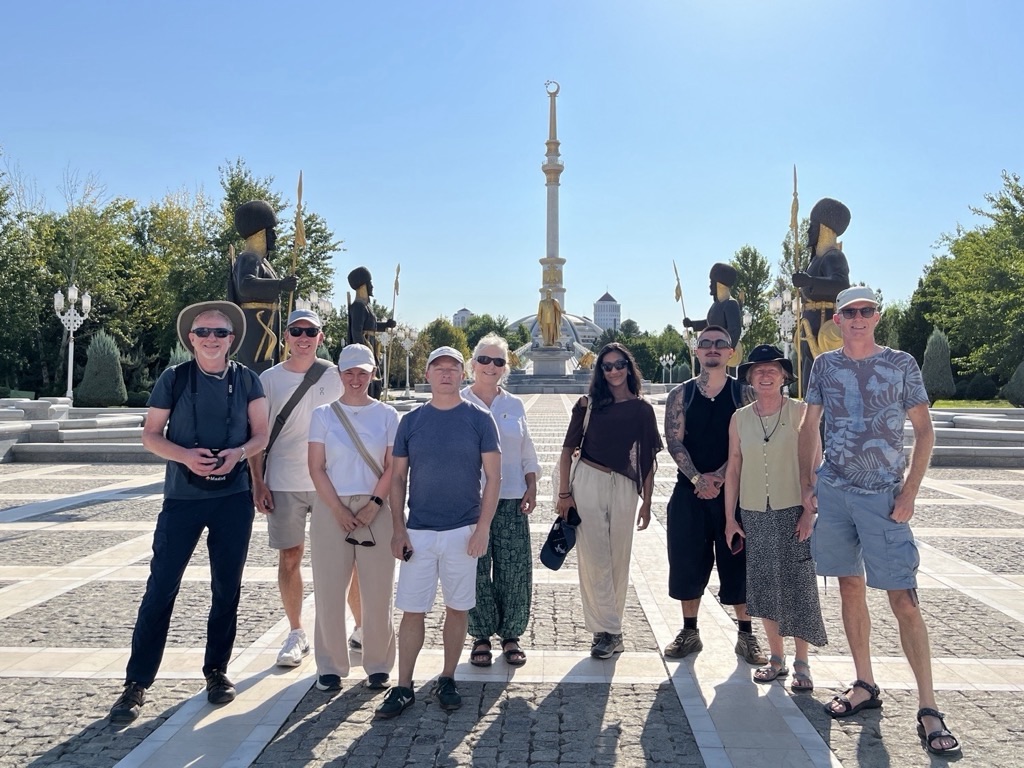
The next day, we started our tour proper. We met the final two members of our group* and set out to visit monuments to Independence, Neutrality (proudly central to their international diplomacy), The Ertugrul Gazi Mosque, and Turkmenbashy Ruhi Mosque and Family Mausoleum. At each site we visited, with the exception of police and soldiers, we were the only people there. Each was spectacularly grand, stunningly maintained, surrounded by beautiful gardens and fountains, and entirely, completely, utterly devoid of people.
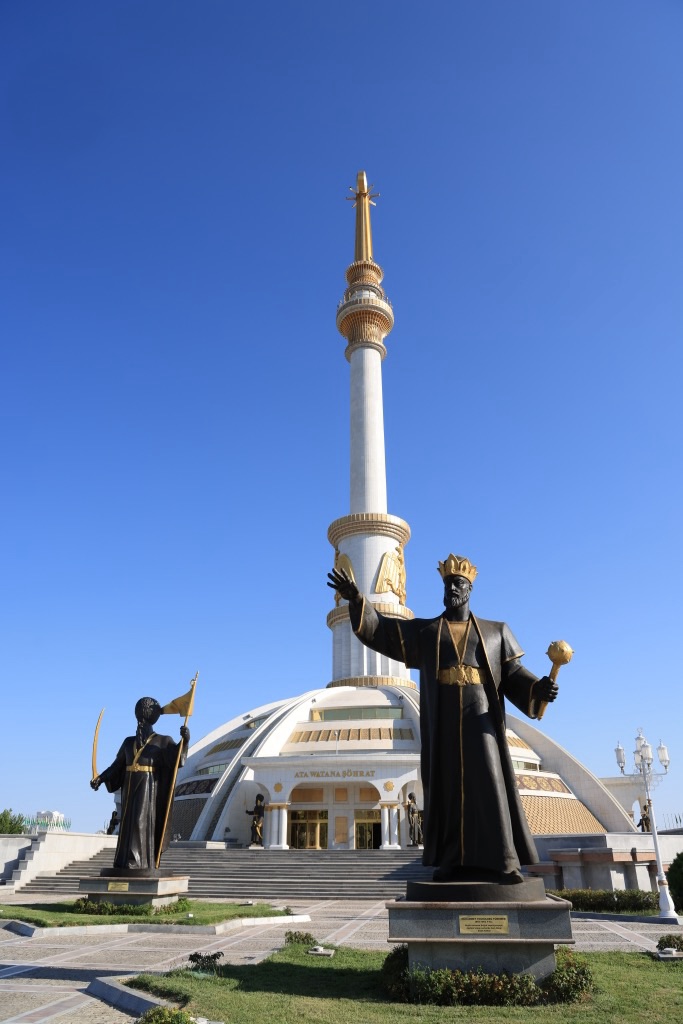
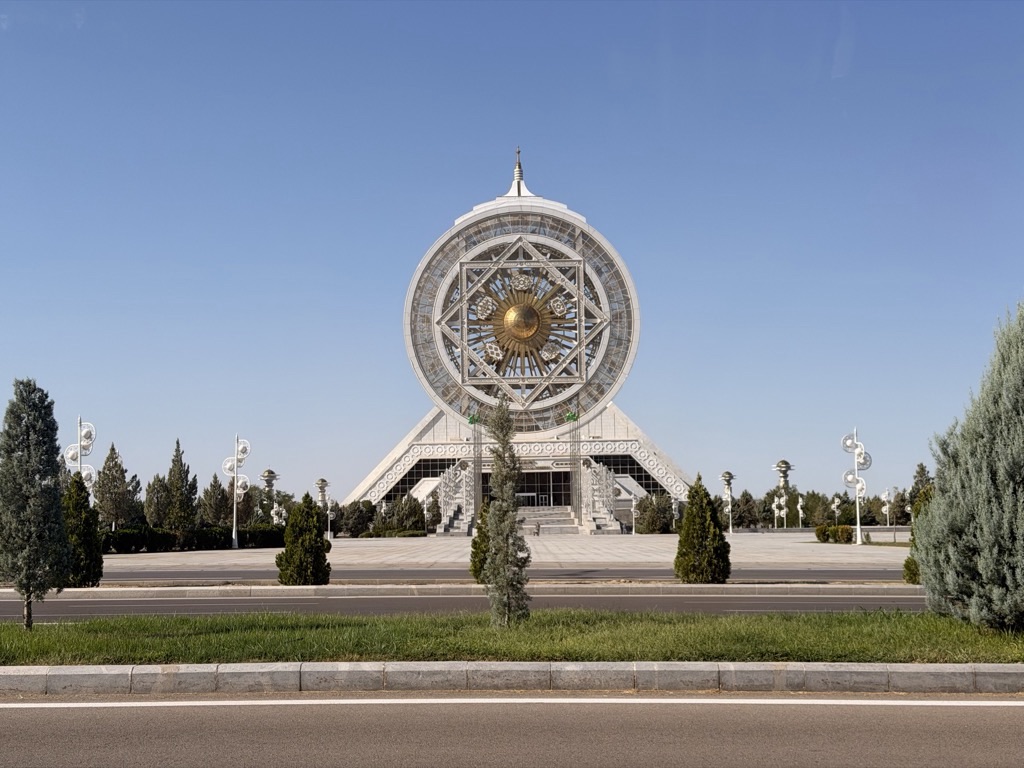
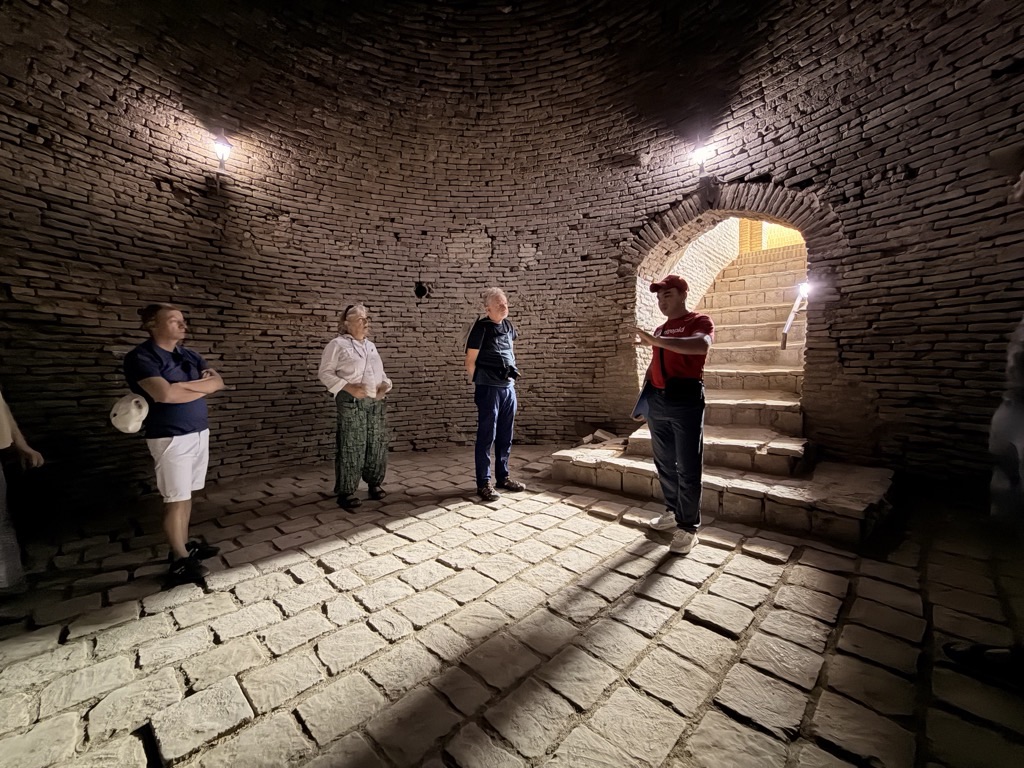
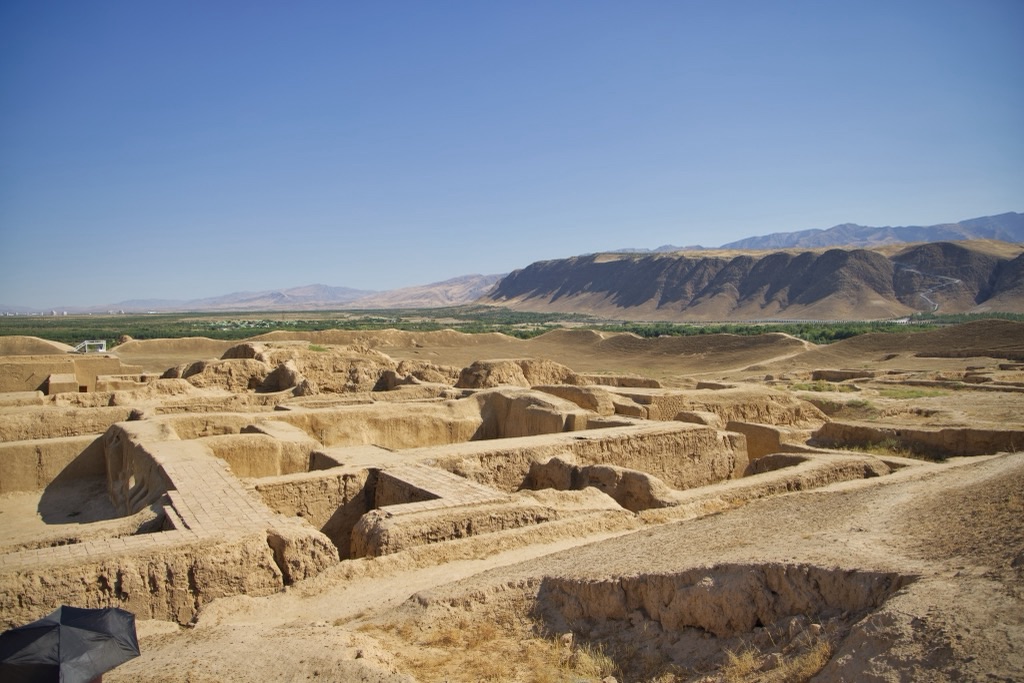
After the formal activities, we visited a large stables where the beautiful Akhal-Teke Horses are bred. These stunning beasts are native to Turkmenistan and famous for their intelligence and endurance. From there, we departed the city to see the World Heritage site of Nisa, an ancient fortress and home of the Parthian kings from around 250BC. It was an extremely hot (41ºc) afternoon and we were relieved to escape the heat after an hour exploring the site.
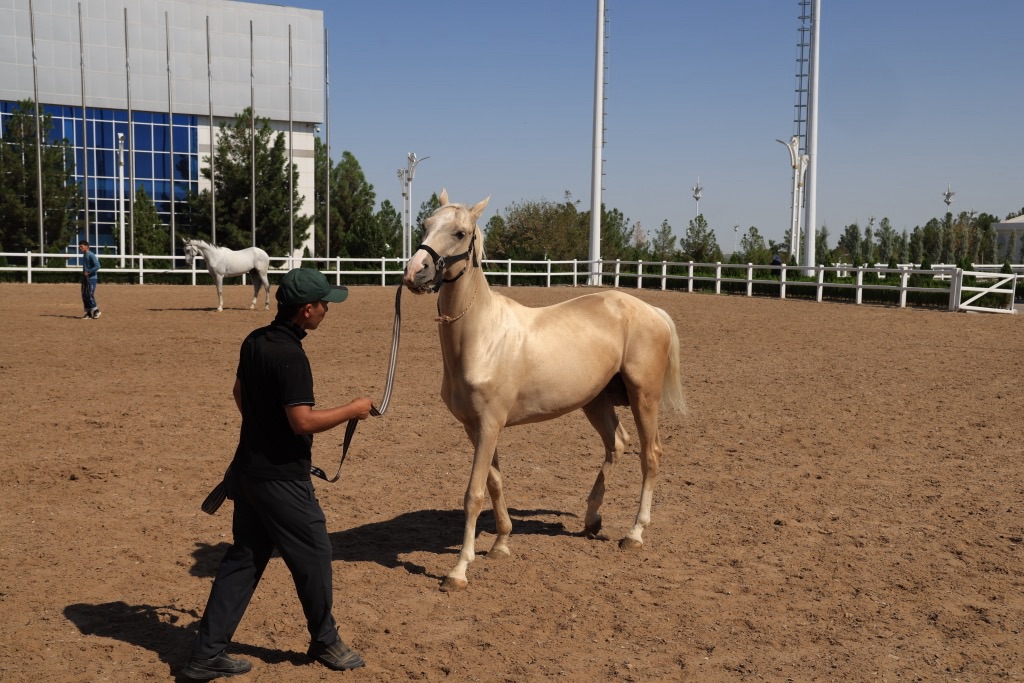
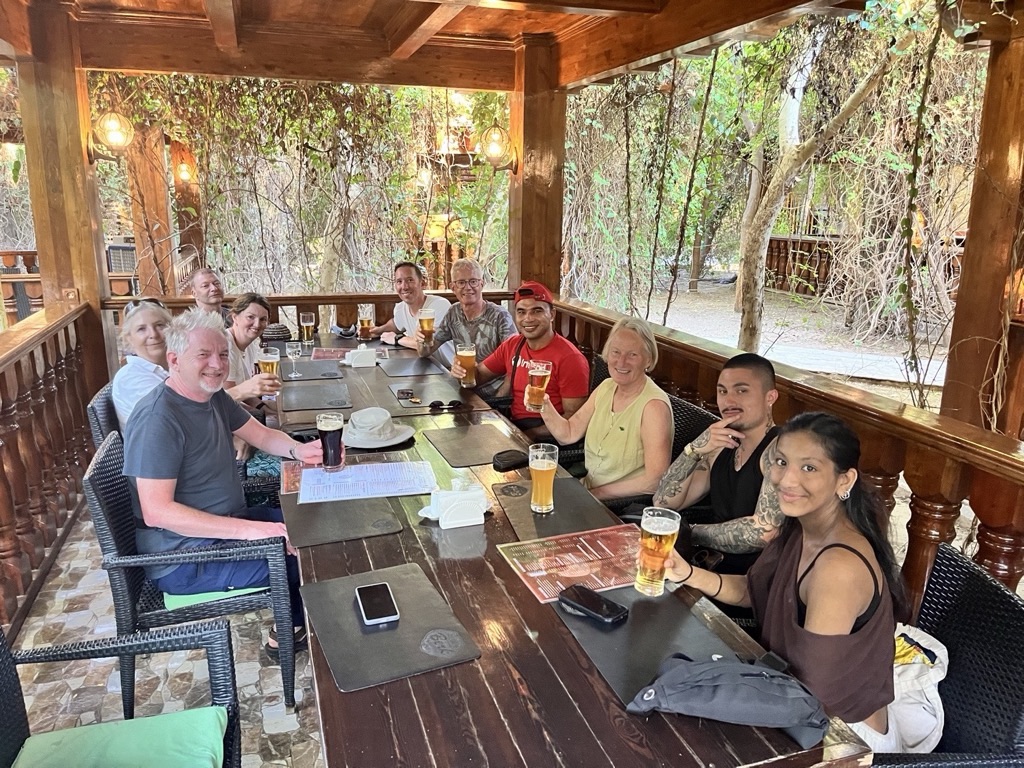
We stopped at a local bazaar, picking up supplies before having drinks and dinner at a local brewery (this is a secular society and while Islam is the dominant religion, adherence to its strictures is not as devout as others countries we’ve visited). Finishing the day, we climbed to a viewpoint over the city before returning late to our hotel, most of us crashing out before our 4am start in the morning.
*The Group
- Ann and Andy (Retired, England)
- Margaret & Zen (Mum & Son, 27, New Zealand)
- Darren (Semi-Retired, Australia)
- Jack (Semi-Retired, Netherlands)
- Aneeka (24, England)
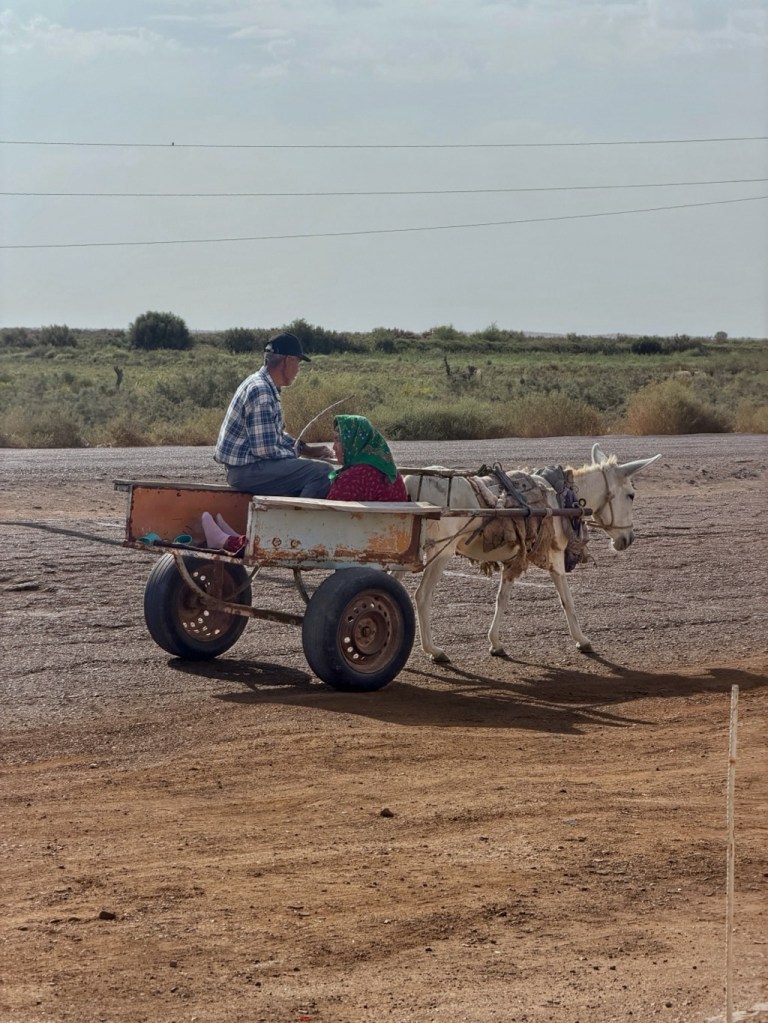
As mentioned, Turkmenistan’s economy is very heavily reliant on oil and gas, much of it exported to China. Around 90% of the country’s revenue is derived from oil. Some cotton and wheat agriculture complements this, but with such a mono-economy, it doesn’t function in the way we’d be accustomed to. Supply and demand appears alien here. Government subsidies artificially skew prices, and taxation doesn’t balance government costs. Examples we saw include internal flights, which cost a Turkman about £8. Electricity is around £25/year per household, and petrol costs 7.5p per litre (fixed). Wages are low (from £75/month), but in many parts of this country, life is extremely rural. For example, our guide pays about £12.50 a month for a shepherd to look after his camel and 29 sheep.
Darvaza Crater, Turkmenistan
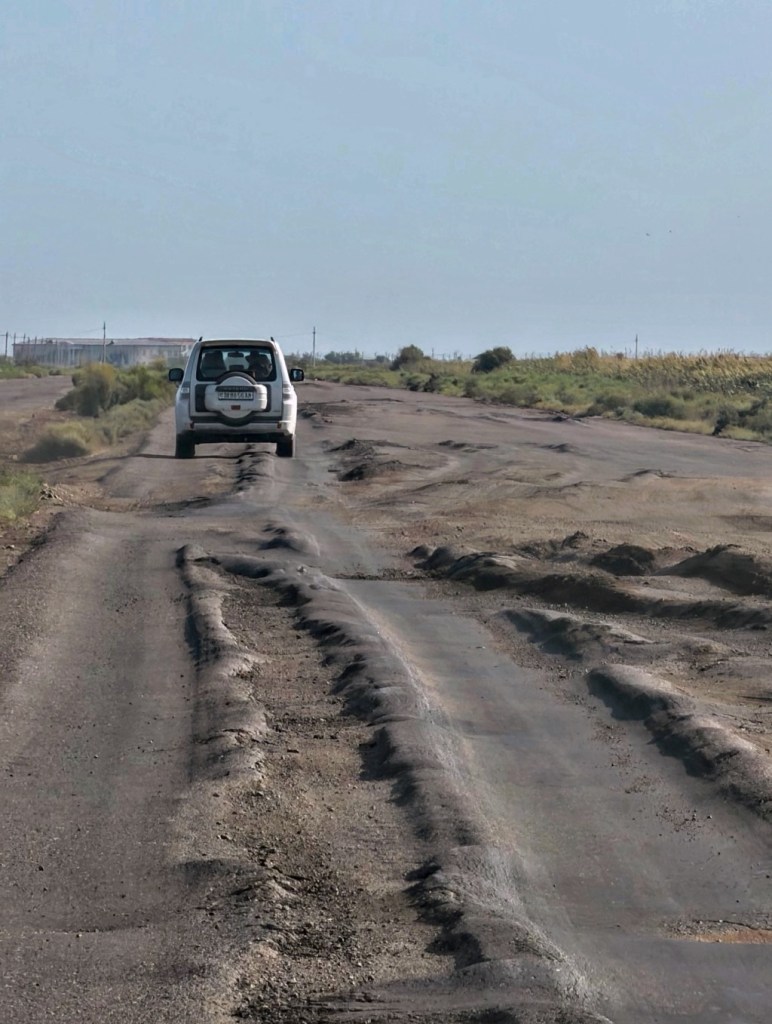
The next morning, we left at 5am for a five hour drive on increasingly terrible roads. Heading away from Ashgabat into the Karakum desert, which dominates 80% of Turkmenistan’s territory, the gleaming white marble surfaces of the capital are quickly forgotten as roads disintegrate in the temperature extremes. In places, the road buckles as the asphalt has melted; the weight of heavy freight pushing up tarmac waves. The potholes would challenge those in Britain’s roads and several times our 4×4 was bouncing off its shock absorbers, the suspension failing to cope with the impact.
We were heading into ‘the gates of hell’.
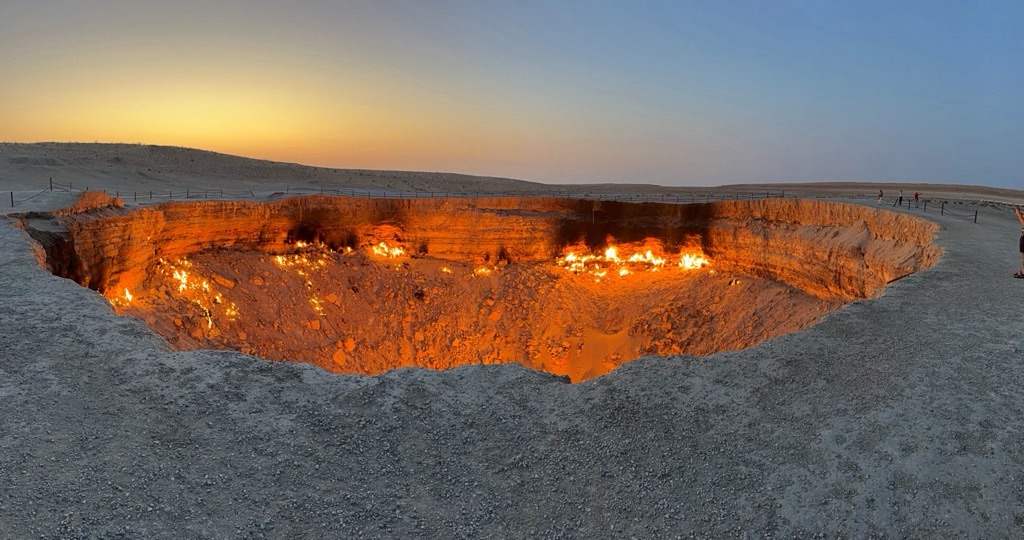
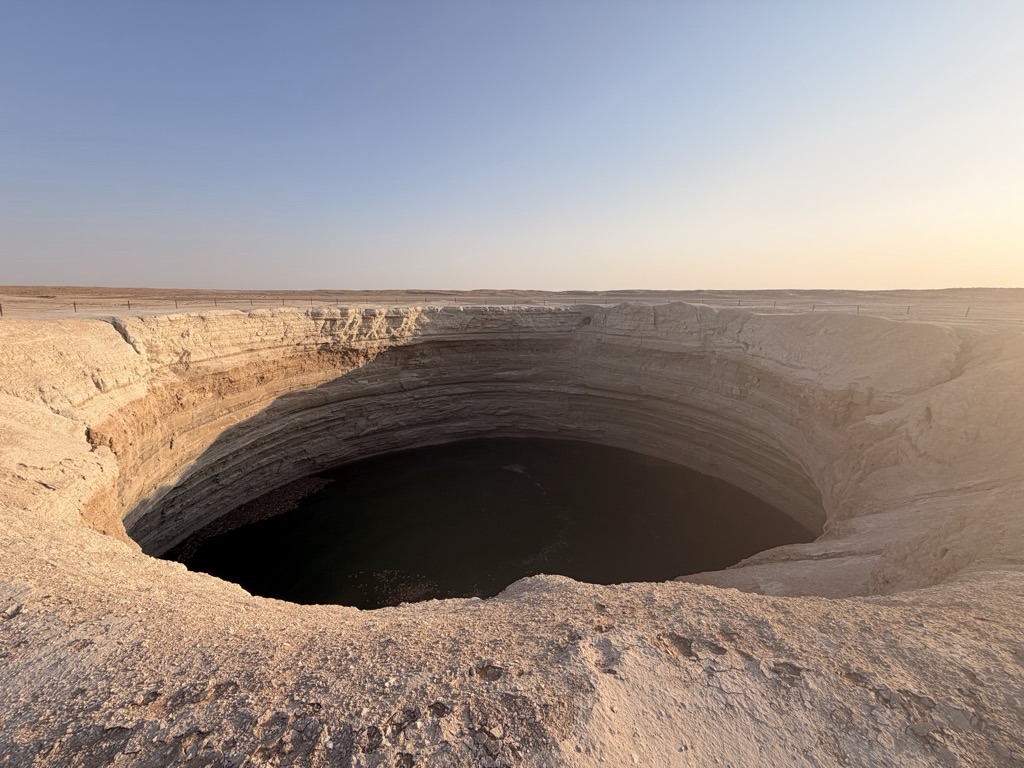
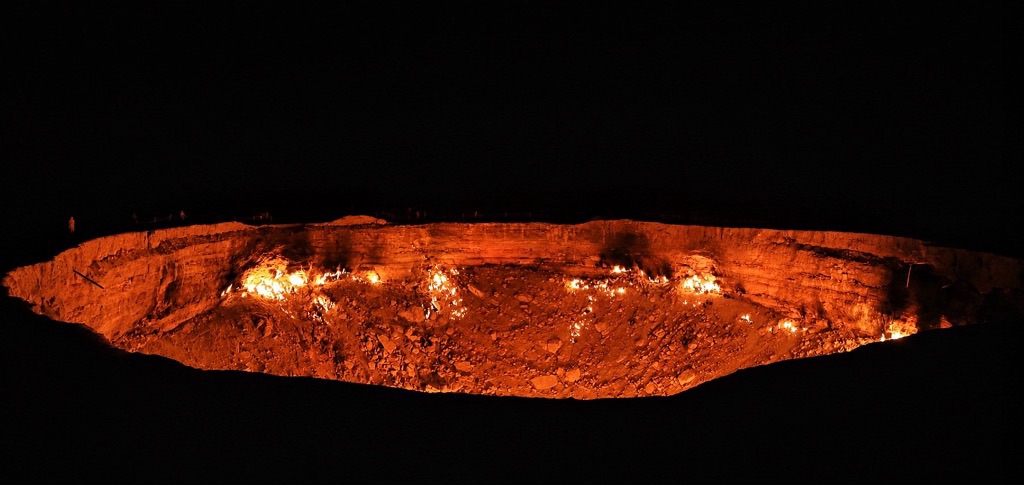
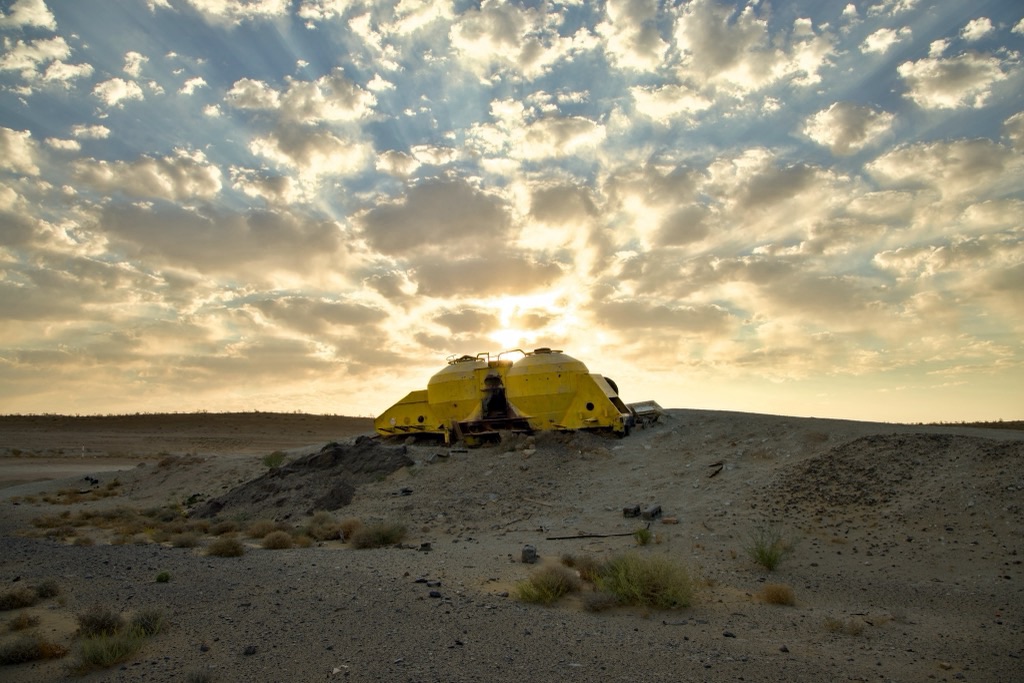
In 1971, the Soviet state was drilling test wells in the desert, seeking new sources of oil and gas. The drilling rig hit a methane gas pocket, which under huge pressure created an explosive blow out, ripping the rig apart and creating a large crater in the desert. The off-gassing caused severe air pollution for a local village and in the belief that the gas would clear in short order, Russian engineers set the methane alight, creating a boiling pit of fire.
Now, 55 years later, this unnatural phenomenon still burns, albeit at reduced intensity. An artificial volcano, spewing CO2 and heating the atmosphere like a giant gas oven.
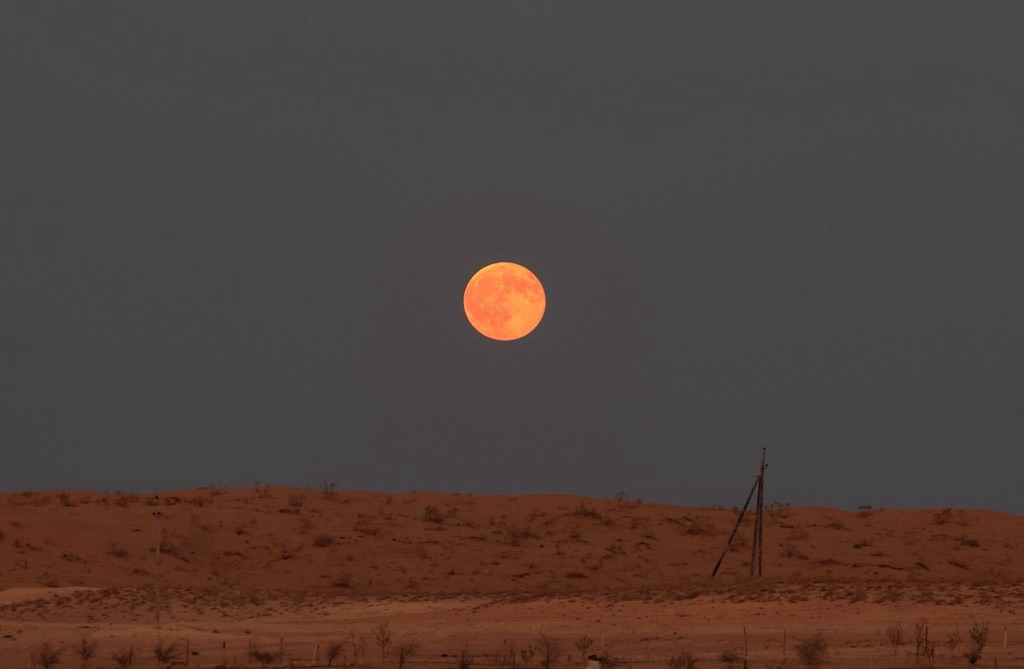
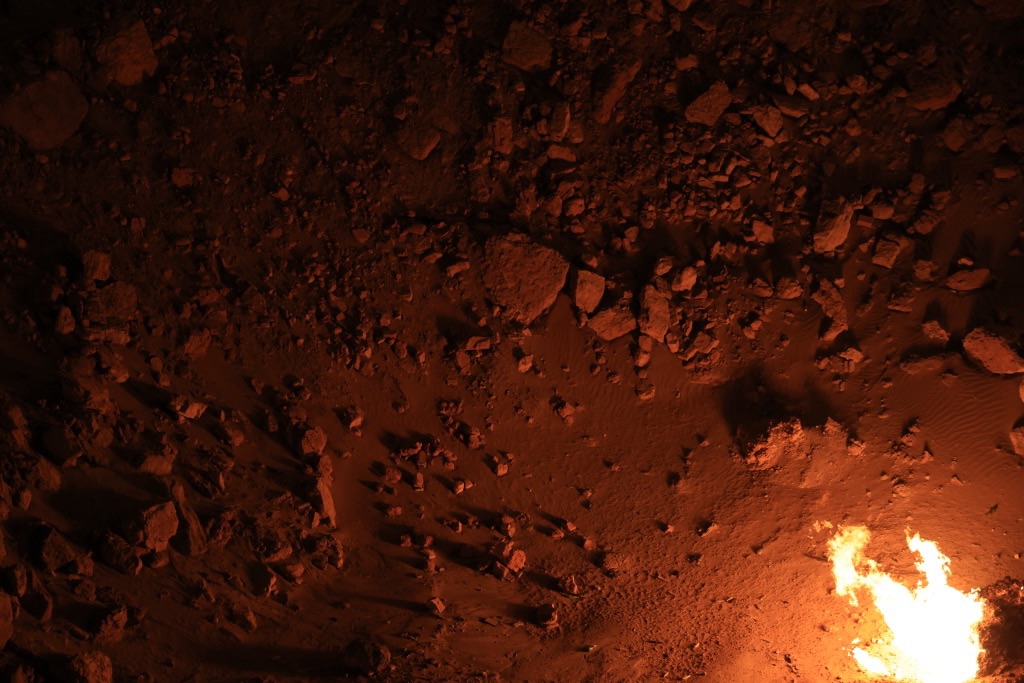
We stopped en route at two prelude craters, one filled with muddy water, bubbling away with gas. The second burned with a small flame at the drill site. Arriving at Darvaza, we dropped our bags in our Yurts, where we were spending the night, and walked the short distance down to the crater. It was still daylight and we heard the unmistakable sound of escaping gas. Flames cut through rock and small fires lined the sides of the crater. We walked around the perimeter as dusk fell and the pit was set aglow against the darkening sky, made all the more atmospheric by a full blood moon, rising over the horizon.
After a hot night in the Yurts, we awoke early and hit the road in the 4×4’s. Unfortunately the condition didn’t improve, and Shona and I were in the wrong vehicle, driven by a stand-in driver who sadly didn’t have the skills of the other two. After hitting one-too-many potholes, and Shona and Aneeka banging their heads for the umpteenth time, the right side airbags suddenly blew with an almighty bang, partially deafening us and showering us with dust. Thankfully there were no injuries, but the rest of the 9 hour drive wasn’t much fun.
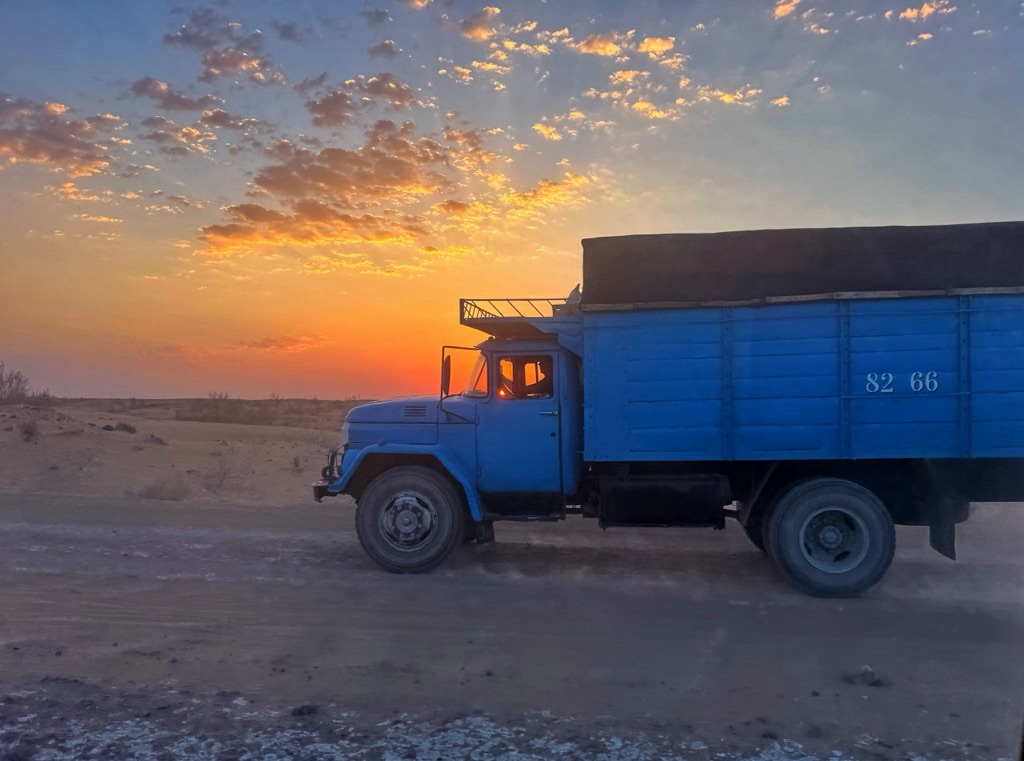
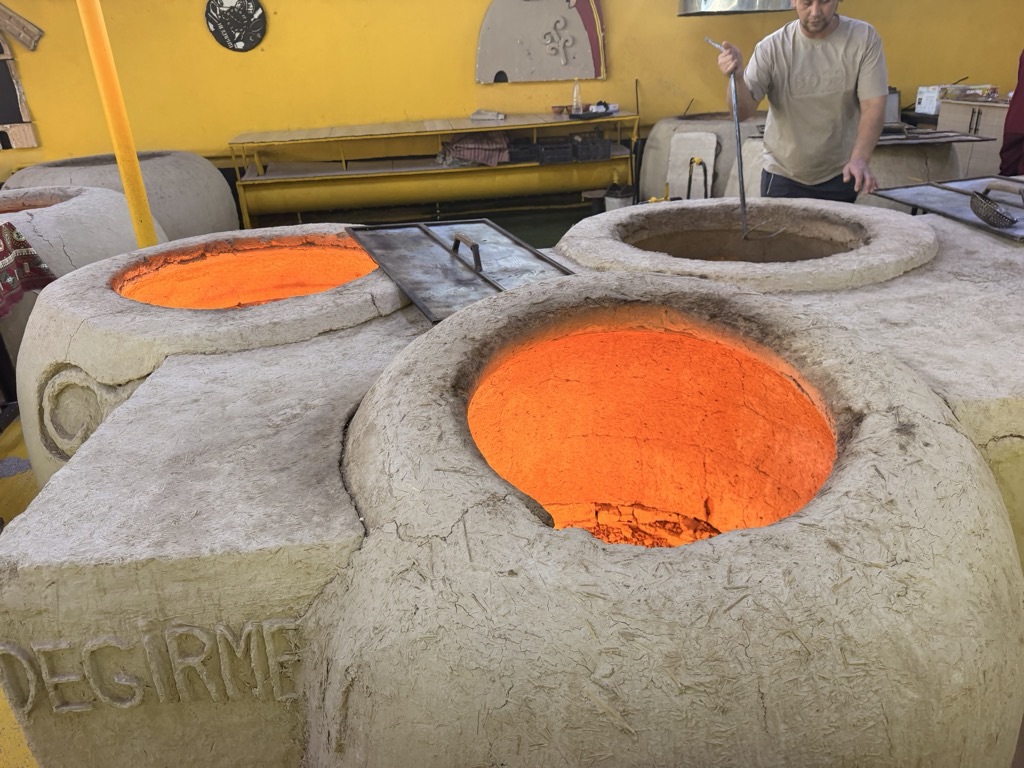
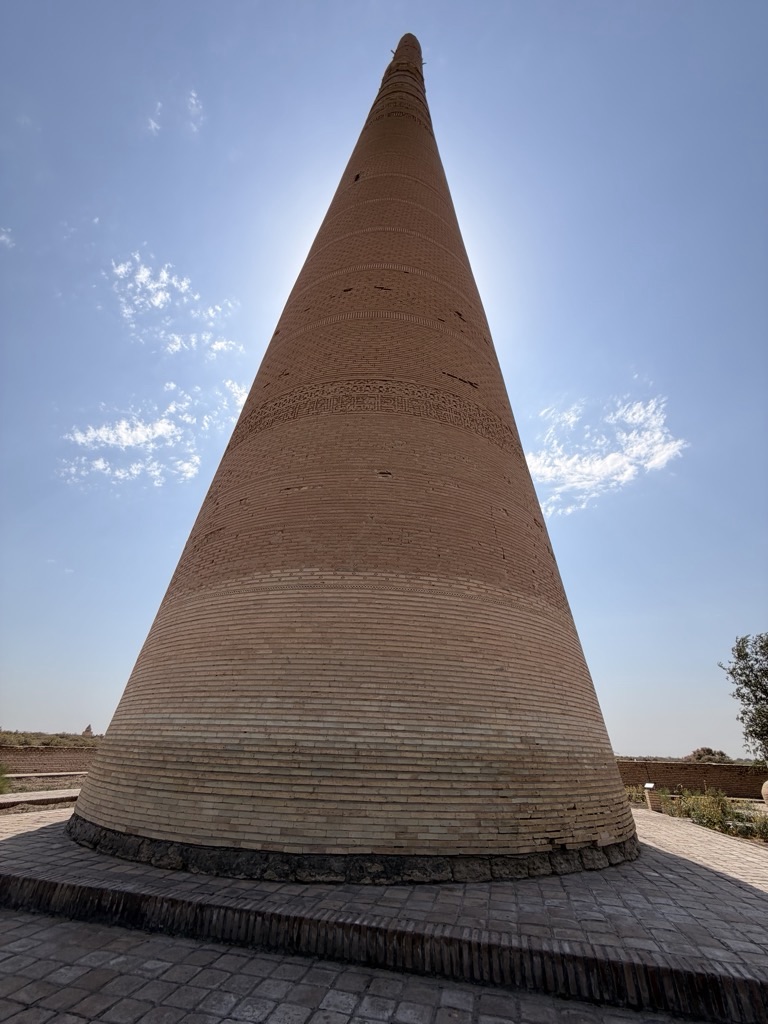
En route to the border, we stopped to visit Konye-Urgench and the ancient town of Gurgānj. Once a hub of the Islamic world, this ancient city was sacked by Genghis Khan in 1221 in a brutally bloody massacre. It later revived and became a great city once more, before once again being destroyed by Timur/Tamerlane in the early 15th century. Some of the original structures remain including a staggeringly tall mineret.
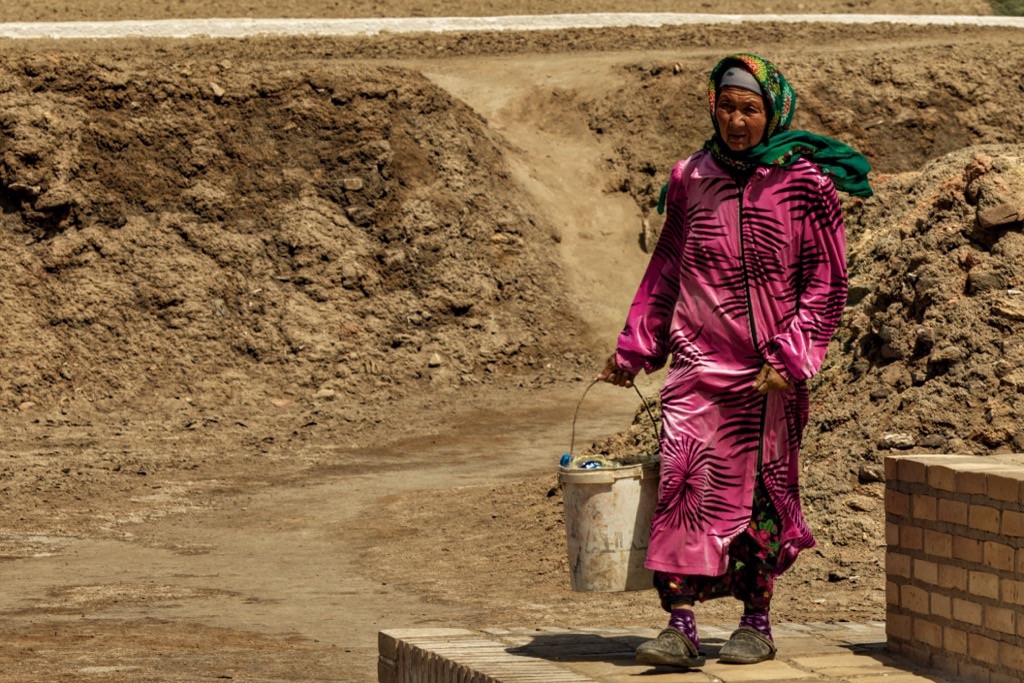
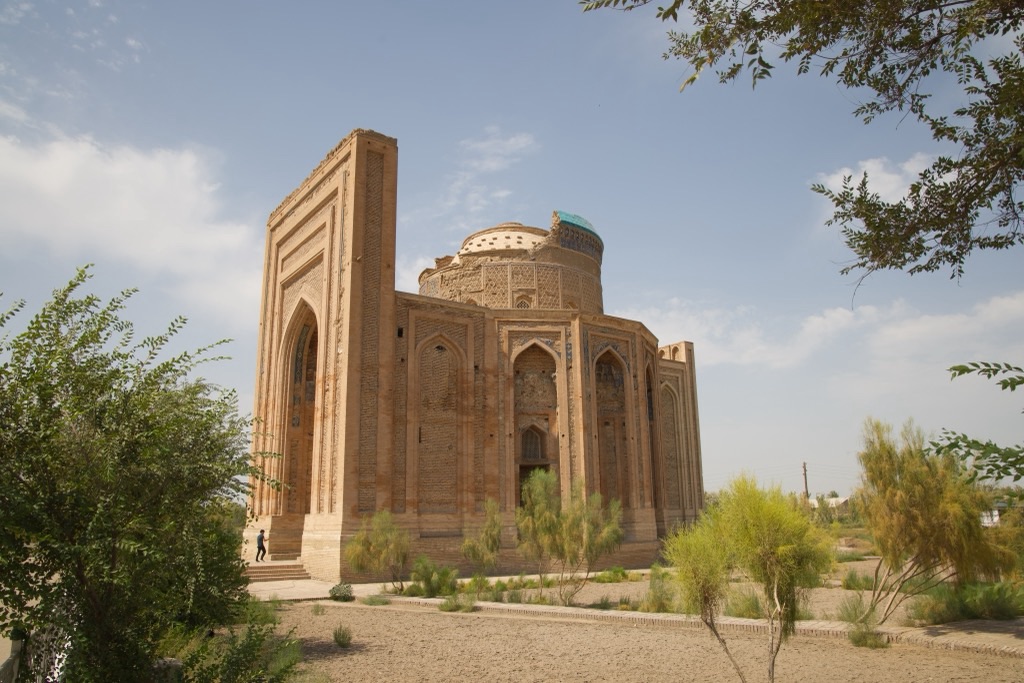
Another couple of hours and we reached the Uzbekistan border. We were all pretty exhausted from the drive but were looking forward to our next stop. The border crossing was a long process, stamping us out of Turkmenistan, crossing by bus through a DMZ/no-man’s-land, and a long hot queue at the Uzbek border. Unfortunately we were delayed for another couple of hours, as one of our group had packed a drone, which are very illegal in Uzbekistan. Fortunately, with the help of our new guide Sviat, she avoided jail but had to fill out many forms before gaining entry.
Turkmenistan has been a country of extreme contrasts. Friendly people, decent food, fantastic wealth but also apparent poverty. It still feels like a country rediscovering itself after decades of Soviet rule, setting in place the foundations for modernity, but still with extreme restrictions and limited personal freedoms. The energy wealth here allows this regime to continue, where absolute power controls the country’s wealth absolutely. While this persists, and internet and communication restrictions endure, it’s hard to see this changing. I highly recommend visiting this fascinating country, it is one of those places that baffle and confound in the moment, but will come to life in the memory.
A parting piece of advice given to us by Rejep: “Never buy your fermented camels milk from the market, it’s cut with water”. Sound counsel.
 Travels with Sklaroffs