
Summary
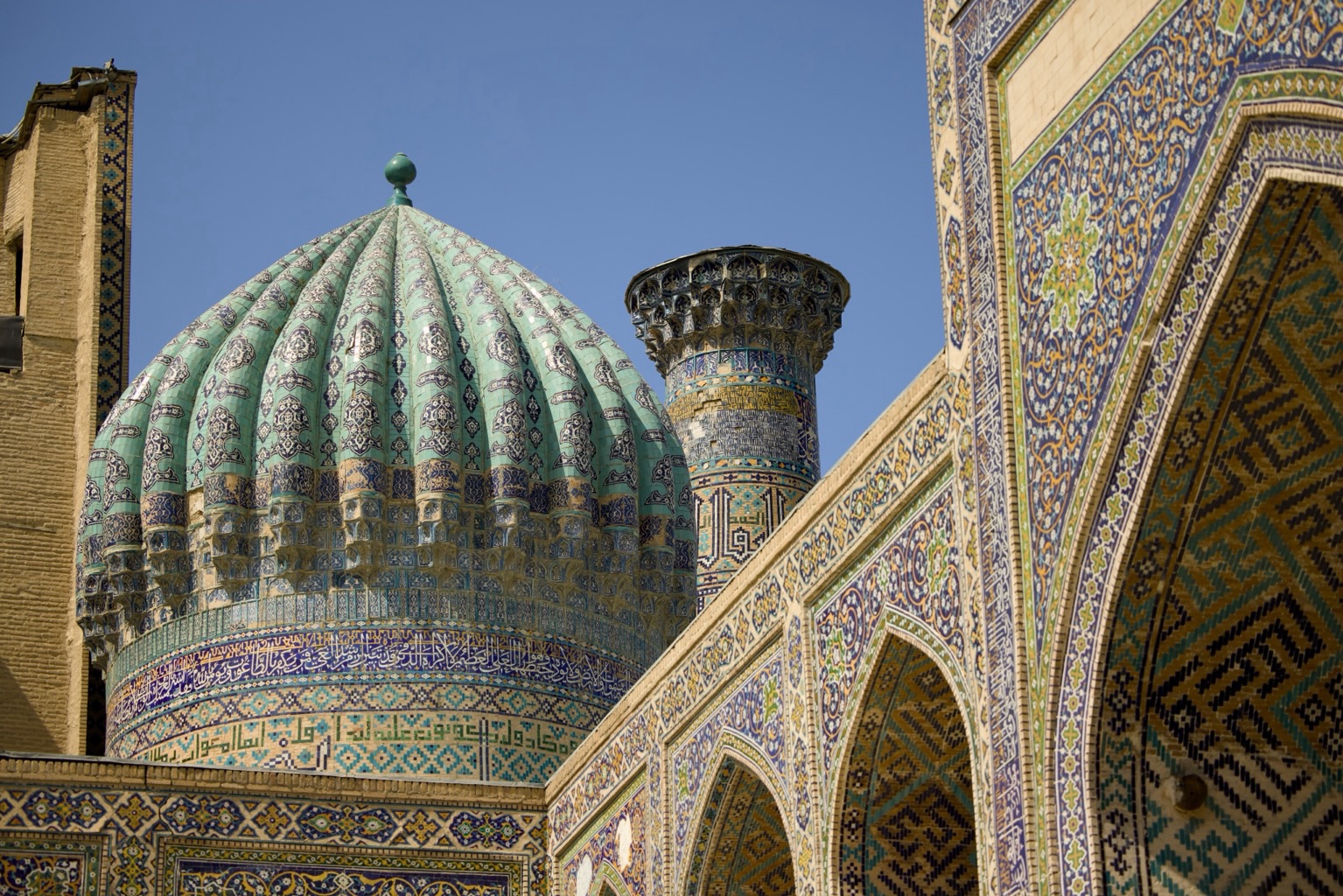
We didn’t really know what to expect when embarking on this 24 day pilgrimage. We were a bit trepidatious about some of the countries, and very ignorant about others. We had general impressions – Islamic culture, post-soviet nations, mountains, grasslands, and authoritarian regimes. I was intrigued by the Darvaza gas crater, and both of us by the romantic allure of the ‘silk road’, but otherwise, there were no major items to tick off our bucket list. Perhaps its because none of the 5 countries we visited has yet become a major tourism hub. Their key landmarks and iconic sites haven’t been polished, the infrastructure isn’t yet there to support mass tourism and the wider tourist industry hasn’t geared itself to market them. What we found was that these lands are full of wonders; some so ubiquitous that they coalesce in your mind; hard to distinguish between each, as if concussed by centuries of history crashing into you when speeding along this famous route.
Speaking with our group, most others concluded that their least favourite part was Turkmenistan. Granted, it lacked some the cultural riches of its neighbours, but I found it really fascinating and as an experience, it was unforgettable. I doubt there is any other country in the world that is so self-contradictory; with its grandiose, pure white marble capital, devoid of people and so at odds with the poverty of the wider nation. It’s an enigma and I was a bit wowed by it. It has no media coverage and is by far the most closed country we’ve visited. Checking the latest Democracy Index rankings from the Economist, who publish an annual quantitative index of the 167 countries, Turkmenistan is the 7th worst country on the democratic index, although all our stops fell firmly into the Authoritarian camp:
116th – Krygyzstan (3.27/10)
123rd – Kazakhstan (2.91/10)
146th – Uzbekistan (2.10/10)
155th – Tajikistan (1.94/10)
160th – Turkmenistan (1.54 / 10)
For context, number 1 is Norway (9.81 – Full Democracy), the UK is 18th (8.34 – Full Democracy) and the USA is 33rd (7.65 – Flawed Democracy). Number 167 is Afghanistan (0.25 – Very Very Very Authoritarian)
We found Tajikistan to be the most challenging country on the route. It was the least developed and it was the poorest. It lacked basic amenities, and the places we stayed were bare, uncomfortable and lacked a feeling of hospitality. Unless I was exploring the mountains, I wouldn’t be rushing back.
The standout cultural experience was Uzbekistan. Despite spending much of our time in its cities, they were ancient, amazing places with rich cultural and historical pasts. The people were lovely and it was a hugely welcoming place. Unsurprisingly perhaps, Uzbekistan was the most developed for tourism, and this certainly helped. Despite being on a tour, we had a fair bit of free time to explore each country on our own, and when roaming around Uzbekistan, it was easy to navigate, communicate, find places to eat and drink and allow the country to wash over you – particularly Khiva and Bukhara.
Kazakhstan is a huge country and despite being able to ‘tick it off’ the countries visited list, we haven’t really seen it. There are parts of the country that would interest me more than the cities we visited, which honestly didn’t inspire. The wilderness, the horsemen, cross-country train lines, nomadic shepherds, and areas like the Baikonur Cosmodrome – the Soviet Spaceport would all be things I’d be keen to see more of.
Finally, Krygyzstan. Maybe because of Sviat’s enthusiasm, but this place drew us in; it’s a wild and beautiful place with stunning scenery, complete with evocative animals – Golden Eagles and the elusive Snow Leopard. Much is done to protect these areas of natural beauty, and Sviat himself is involved in NGO’s to this end. In contrast, the cities are developing fast, but are pretty smoggy places. The country suffers from extremes of temperature and so many vehicles are large v8 4x4s, suitable for the deeply snowy conditions through winter, and the less developed roads, of which there are many. They are not however burning clean fuels, with 2-stroke and diesel everywhere. More refined petrols are short on availability, due to supply issues from Russia. It felt like Kyrgyzstan could follow in the footsteps of places like Costa Rica, leaning heavily on ecotourism for future economic development, but they have a way to go.
As we moved through the five stans, we felt the faint echo of our travels through Europe, where each nation shares similarities with the next, although not as smoothly here. With distinct autocratic regimes, each country has developed in relative isolation over a short period, and so there is notable divergence in key cultural domains. For example, adherence to Islamic strictures, – some countries are markedly more devout than others, Krygyzstan and Kazakhstan being far more liberal in attitude and attendance than Turkmenistan or Uzbekistan, and Tajikistan is actively suppressing the religion for fear of extremism.
The attitude towards the Soviet Union seems to vary notably between countries too, with Kyrgyzstan still sympathetic to the past, proudly displaying statues – even Lenin’s – but other countries have wiped that 100 years from the history books, and literally scratched images from sculptures and monuments.
In economic terms, the regions differ hugely, with natural resources and remittances from labour abroad forming core exports, creating economic booms or bottlenecks. Two major influences were ever-present in each country we visited – Russia and China. Russia remains a key trading partner, even more so since the Ukrainian war, where we heard loud whispers that Russia avoids sanctions by routing imports through these states (it explains the uptick in economic growth we were seeing). With China, it’s the same as elsewhere around the developing world – very deep investment coming into each terrority, laying roads, building tunnels and skyscrapers, and providing almost all the new cars… the Belt and Silk Road initiative…
Interestingly, we didn’t feel at all threatened or concerned about crime in any of the five countries. Despite the poverty, and perhaps due to the reassurances from our guides, we were extremely comfortable wandering about – even in packed bazaars and markets, we always felt safe.
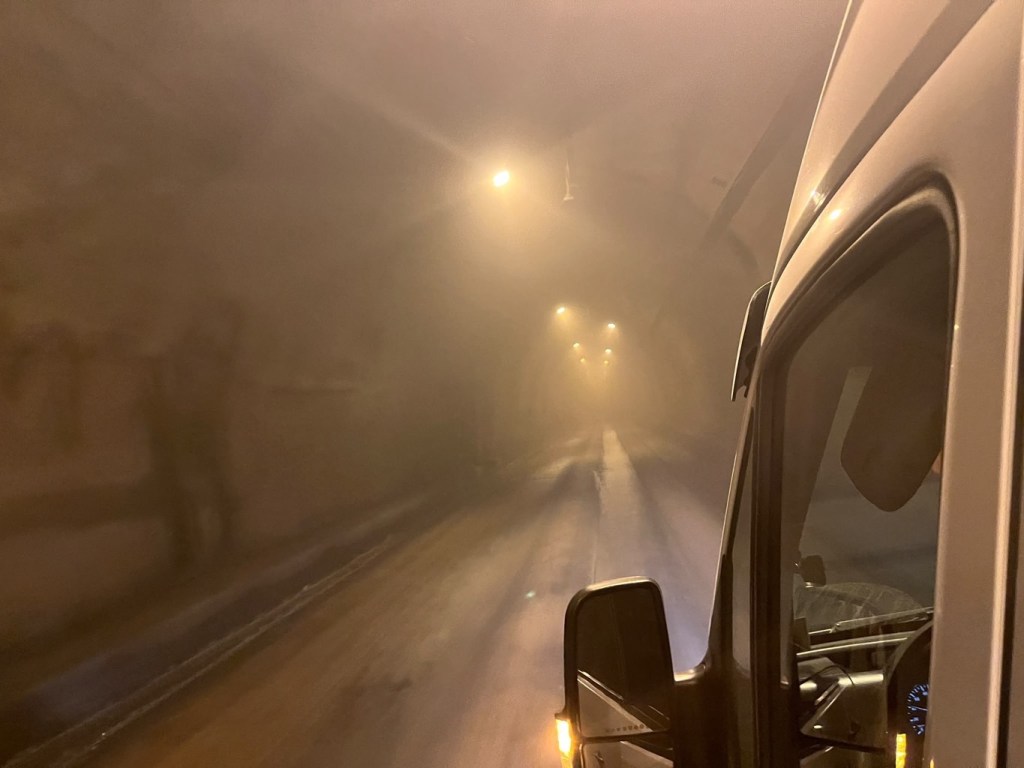
That were however challenges. The roads were often dirt tracks; rutted, potholed or washboards – this video shows us driving in Turkmenistan. The mountain passes and tunnels were downright dangerous, and you won’t find barriers, signs or much in the way of safety in many dangerous places. Toilets were at times very bad and often squat toilets; you needed your own loo roll. You often had to pay a nominal fee for using public restrooms, and this by no means guaranteed sanitary conditions. There were a couple of stand-out examples that I won’t elaborate on here, but which caused much hilarity in the group, as very queasy looking white faces emerged from the shacks.
Sviat
A little more on Sviat and travelling with our group. Sviat is a remarkable young man. At 24, he has accomplished an envious amount. He attained a scholarship to study at university; speaks 4 languages (Krygyz, Russian, English and Spanish). His English is outstanding. Last year, he trekked solo across Kyrgyzstan – 2200km over 3 months, crossing mountains, glaciers and complete wilderness. He supports others trekking this new hiking route, opening up new routes across the country. His knowledge of Kyrgyzstan, and adjacent countries was hugely impressive, as was his depth of knowledge and understanding of history, politics and culture. There was rarely a question he couldn’t answer, and he was always candid and open. It’s rare you meet so capable a young man and several of us wondered how far someone like this would go in the west. When we parted ways, Margaret suggested he should pursue a Diplomatic career; I think she’s onto something.
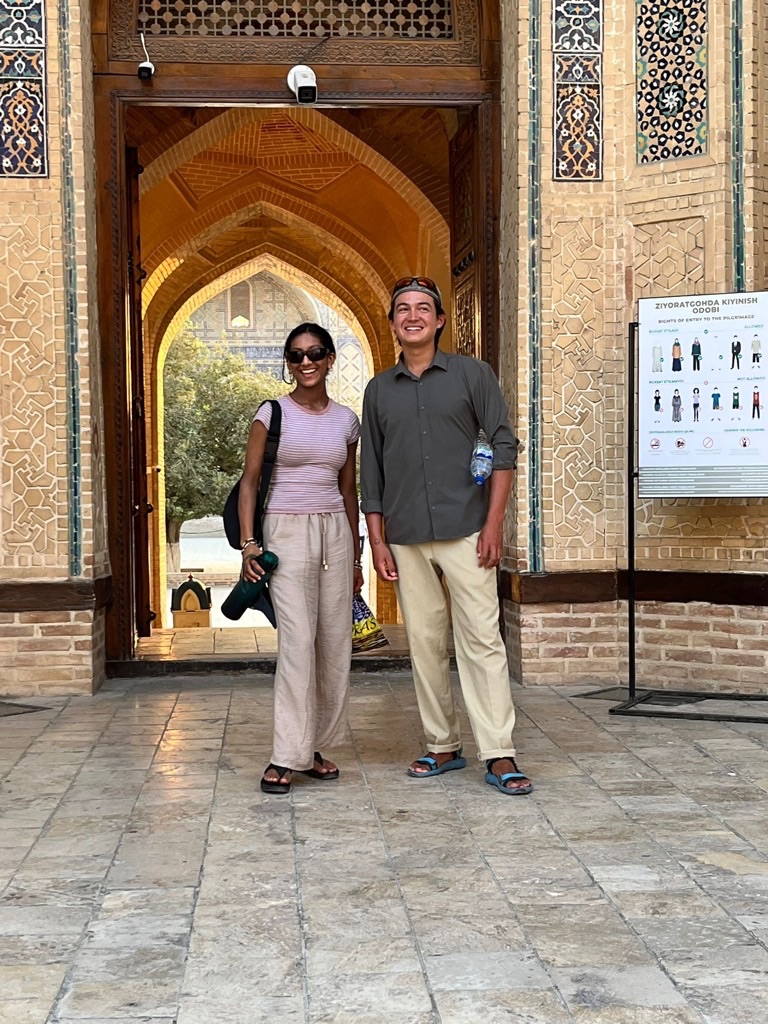
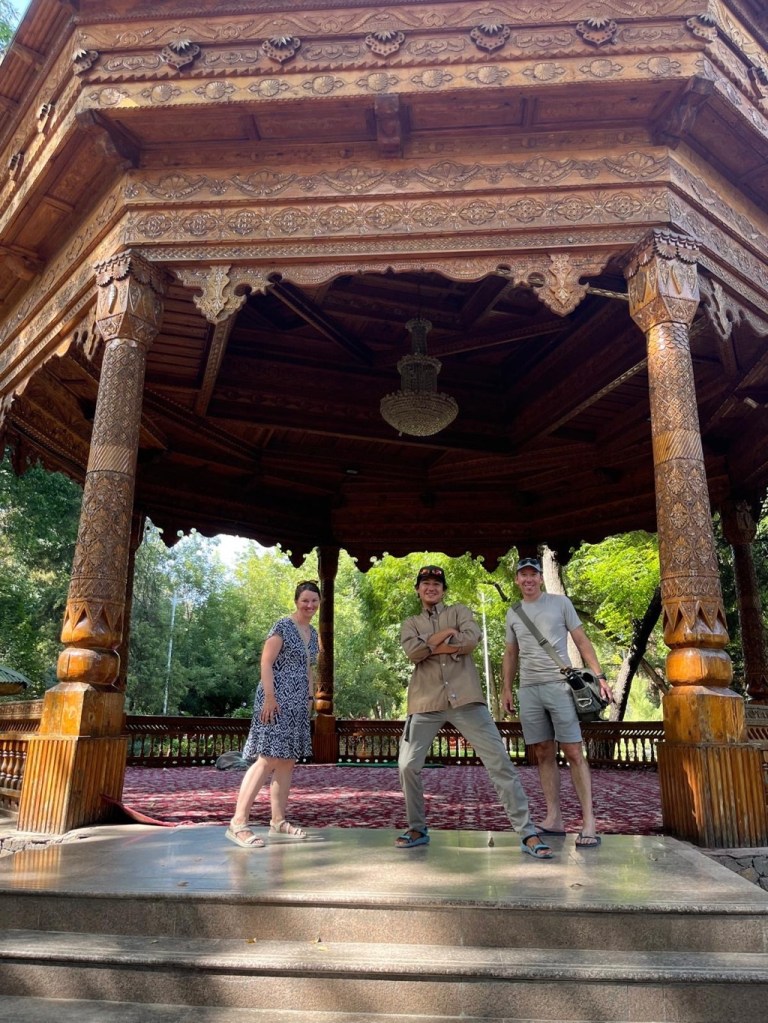
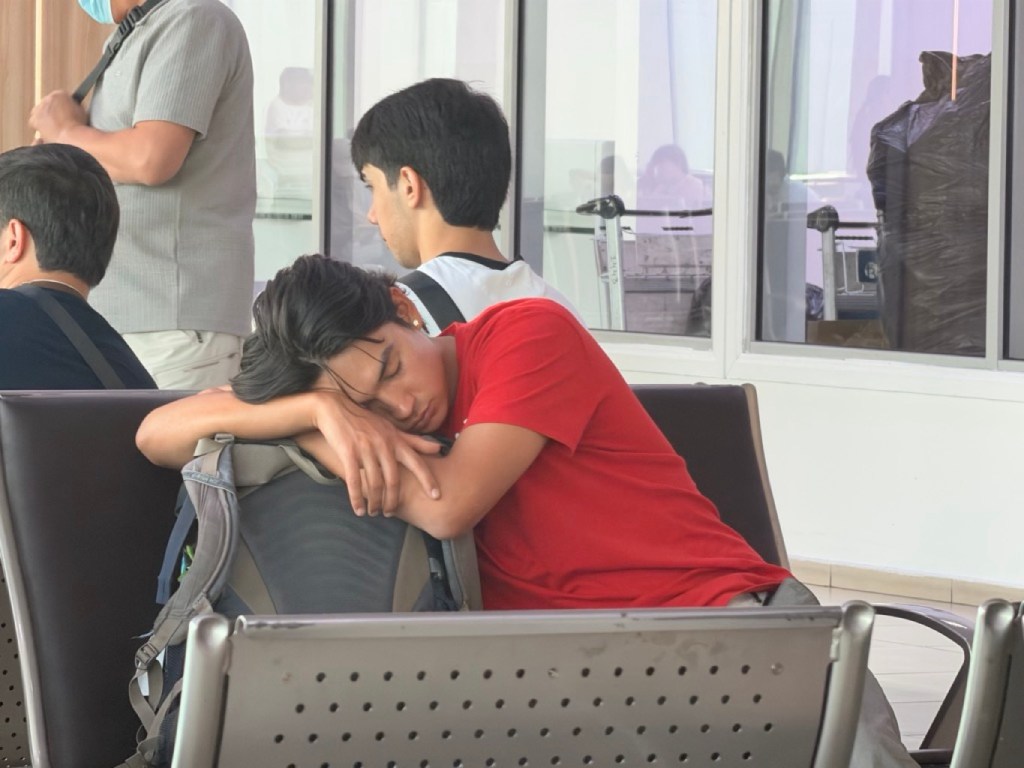
He led our group for 20 days, through 4 countries, organising everything, and adapting and changing plans when things went wrong. He hasn’t been running these trips for long – this was his first year, but having now been on 12 such Intrepid expeditions ourselves, we can attest that he is one of the best. He had a lovely turns of phrase and a calm, easy-going manner. Almost every announcement/guiding moment began with ‘My dear group’, followed by ‘Okay, let’s continue’. It was very endearing.
The Group
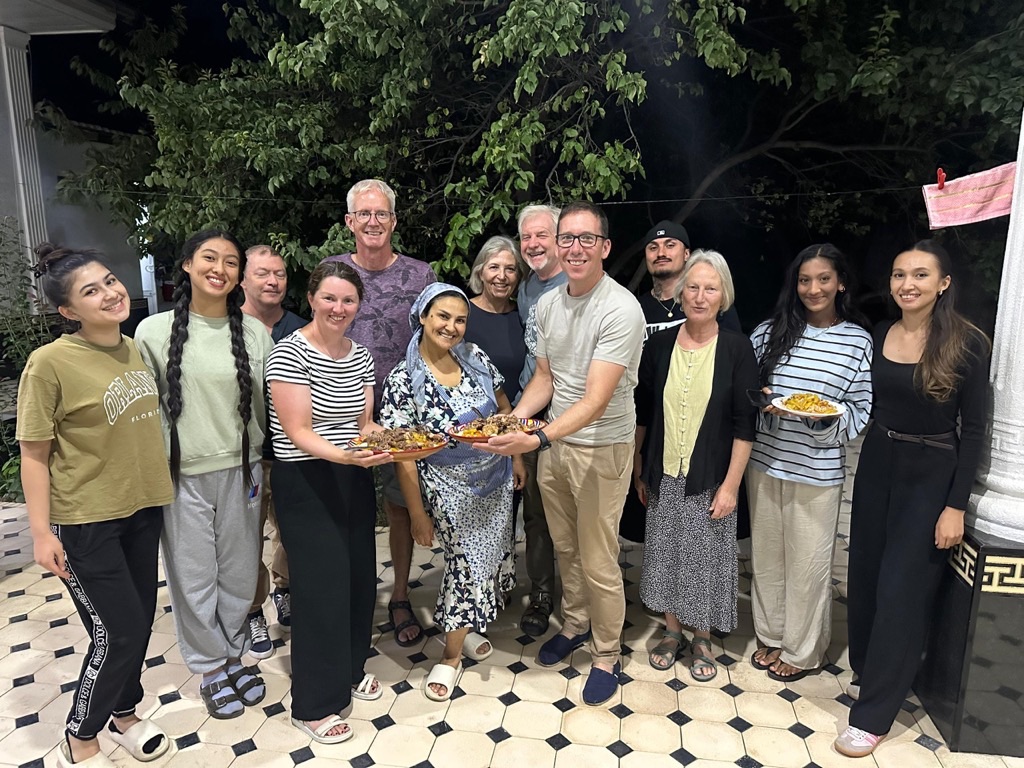
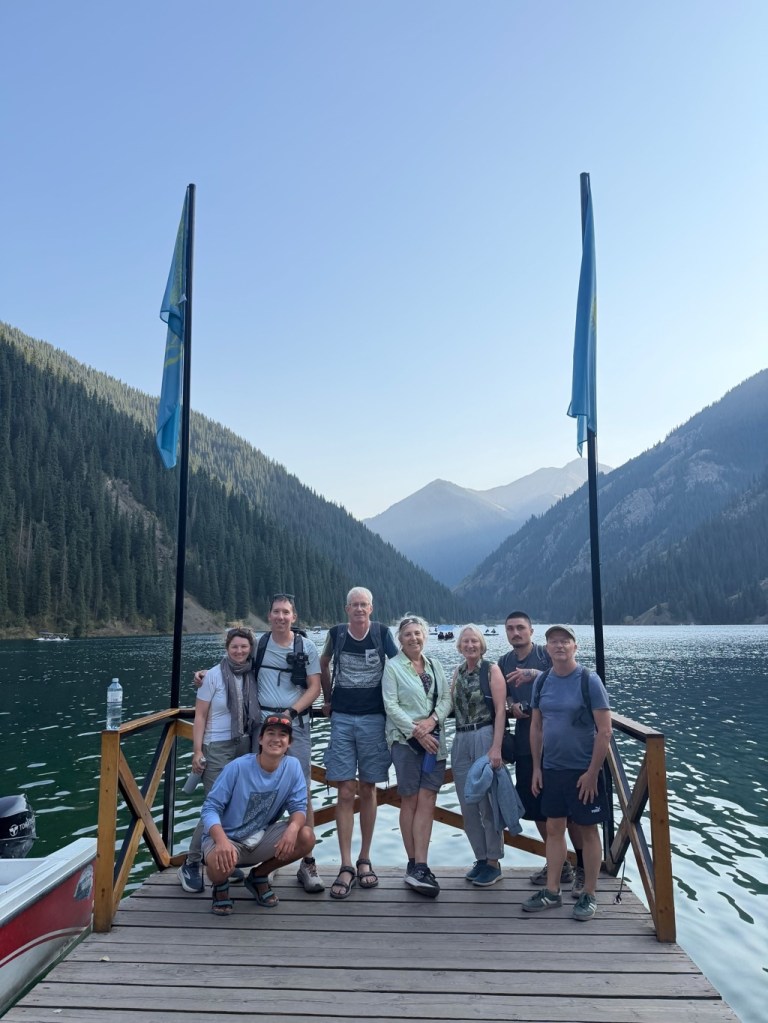
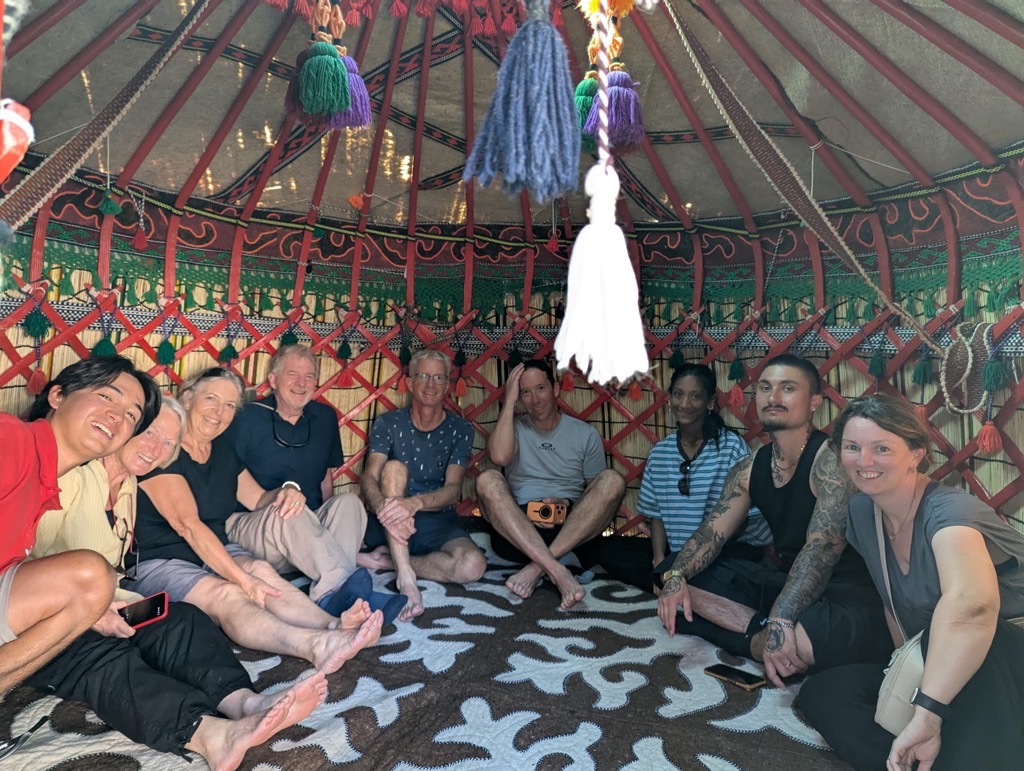
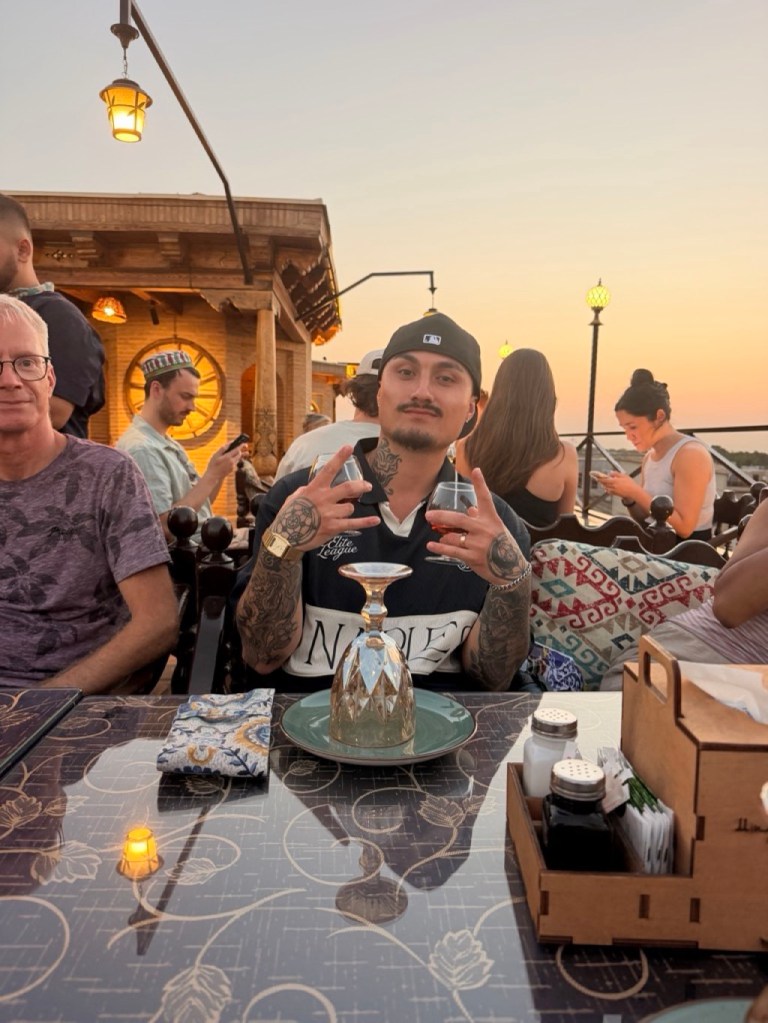
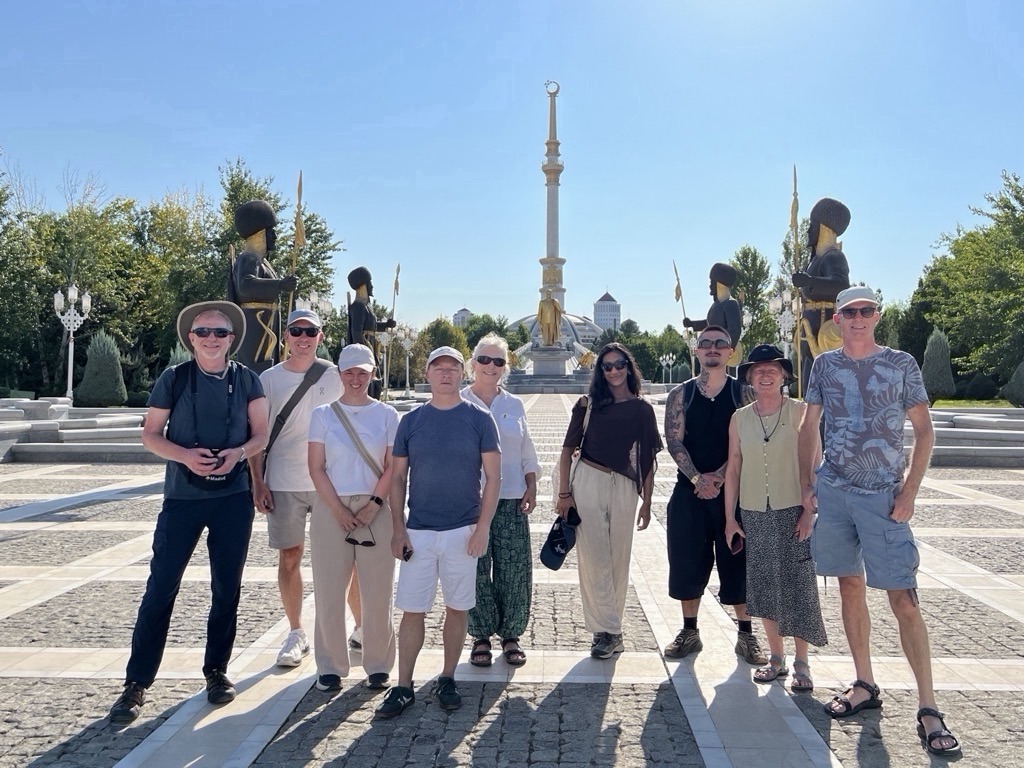
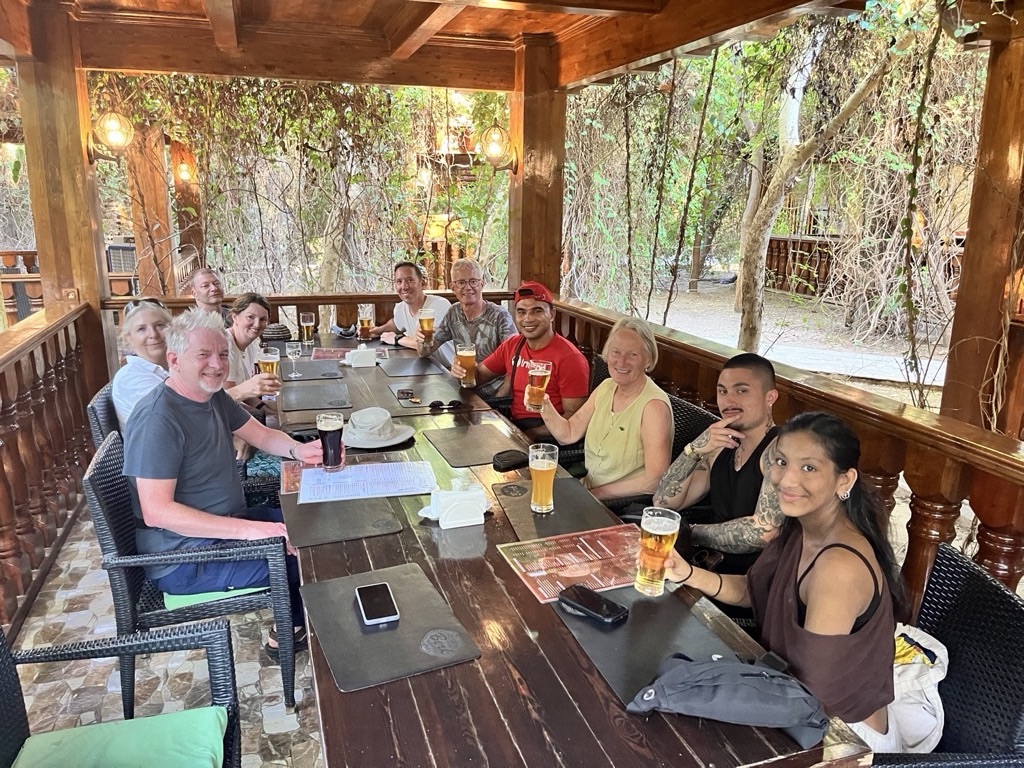
This was the longest group trip we’ve done. I think everyone was a little worried about this, and by the end, we were admittedly all exhausted. However, aside from a couple of minor moments of tetchiness in the last few days (one over money, and another fuelled by too much beer), we all got along amazingly well. The age gap was definitely noticeable, with the two members in their 20’s definitely in a distinct demographic, and frequently taking themselves off for nights on the town, drinking until the wee hours, or enjoying Shisha bars. We were the next youngest pair, but with at least 20 years age gap to the young-uns, we found ourselves aligning with the company of the ‘grown-ups’ and enjoyed it immensely.
Conclusion
Would we recommend this trip? Yes, but… The Intrepid Stans Express tour we did is definitely more focused on learning the history and culture of the Silk Road. It would suit those with a deep thirst for history, learning about Islamic culture, pre and post-Soviet societies and having a safe and accessible way to go to more challenging parts of the world – particularly if cities are your thing.
Would we recommend visiting these countries? Yes, absolutely. These are beautiful, and deeply fascinating countries with truly unique qualities and experiences. We loved the cultural elements, and found it fascinating to hear more about the Soviet/Russian perspective on e.g. WW2, the Cold War, and the Space Race. Likewise, it was genuinely thought-provoking to hear from locals about their views on the west, the eastern bloc, and wars in Iran and Ukraine. Overall, an amazing way to spend a month.

