
Bonaire
That was a journey. For some reason, we’re very very bad at calculating time shifts between time zones, flights, layovers, and arrivals – working out how long we’ve been awake, what time it is where we’re going, or where we’ve left. It really shouldn’t be that difficult – and it isn’t just an incompetent like me, Shona’s got a 1st in mathematics and she’s only marginally better!
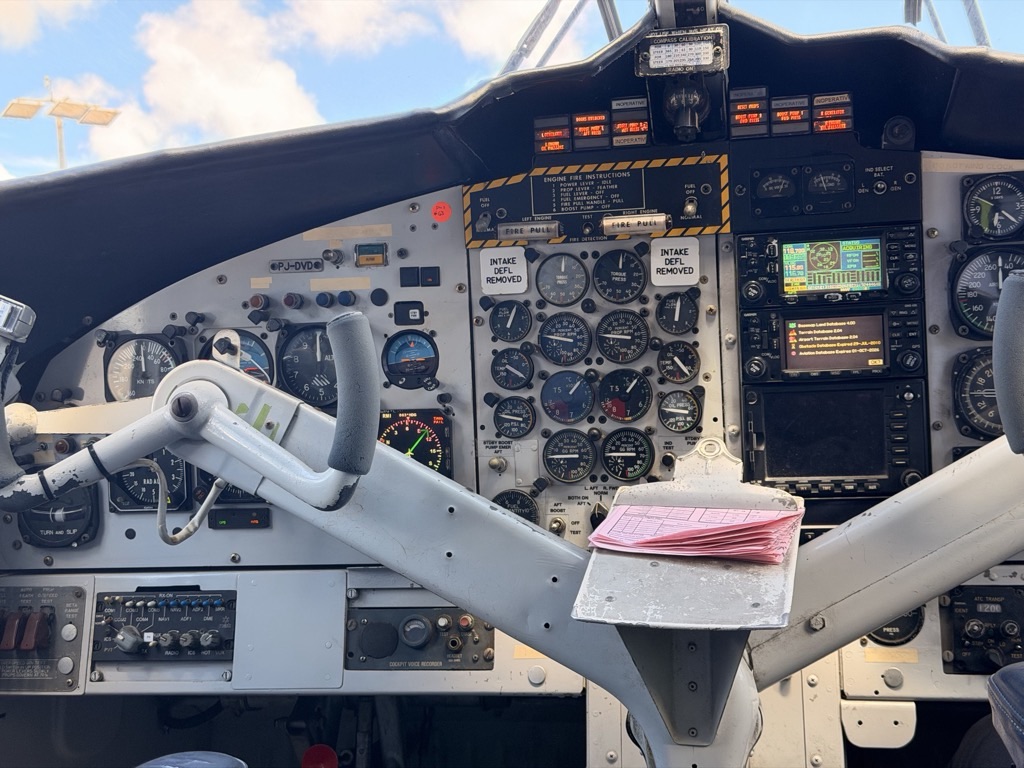
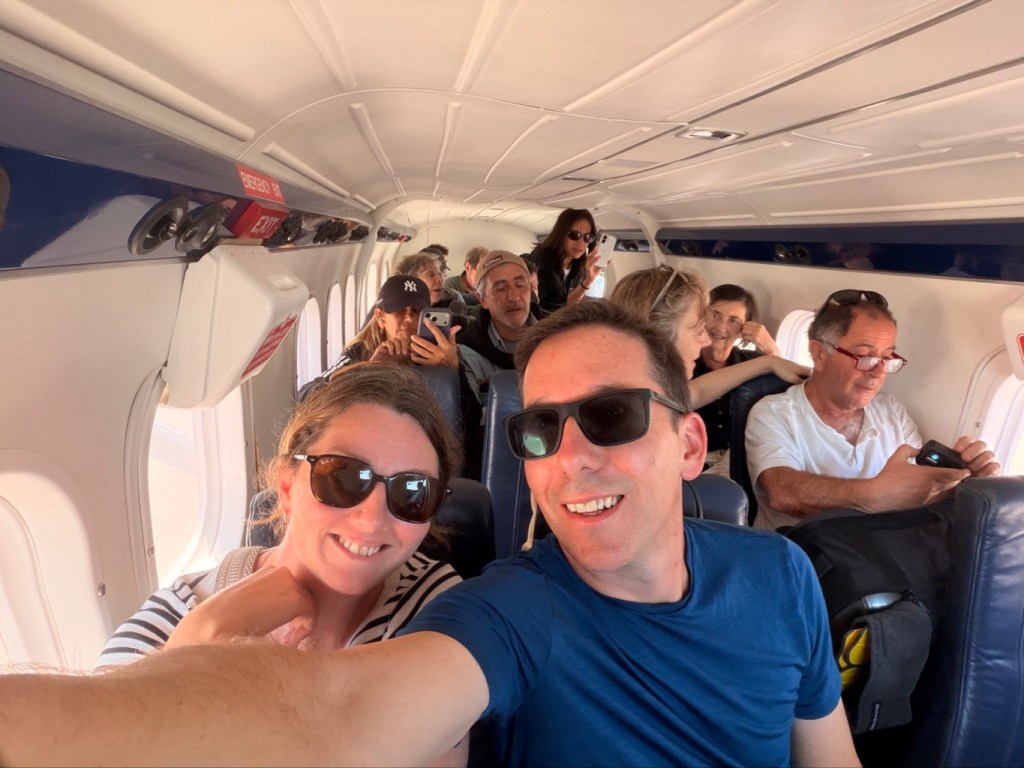
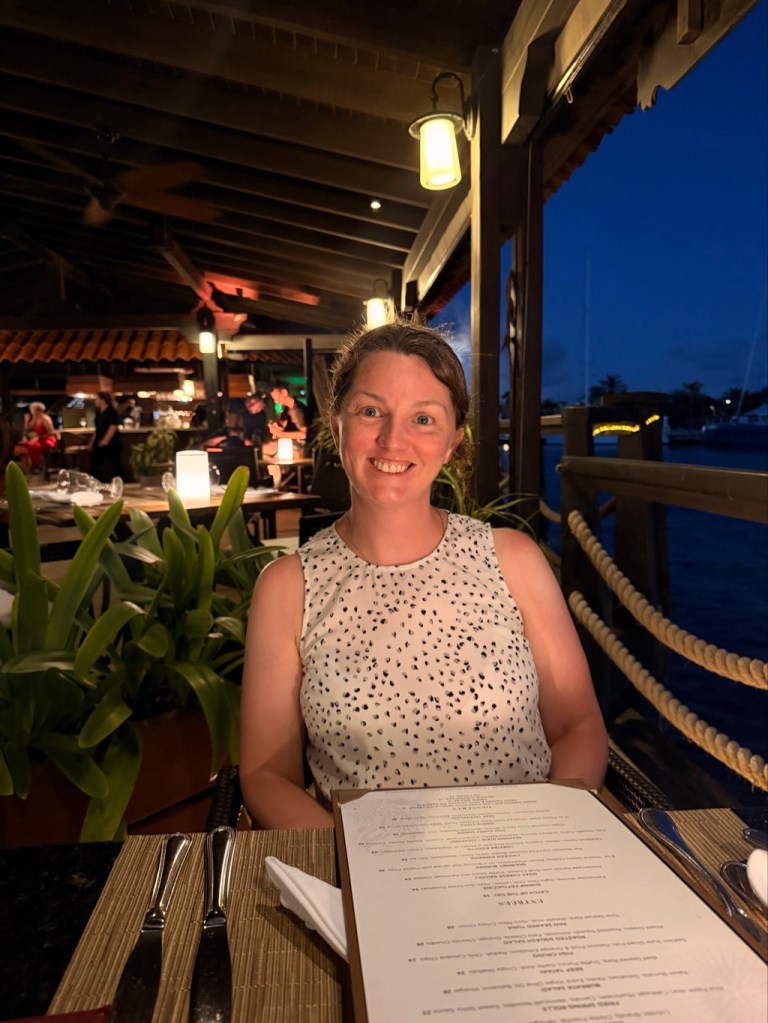
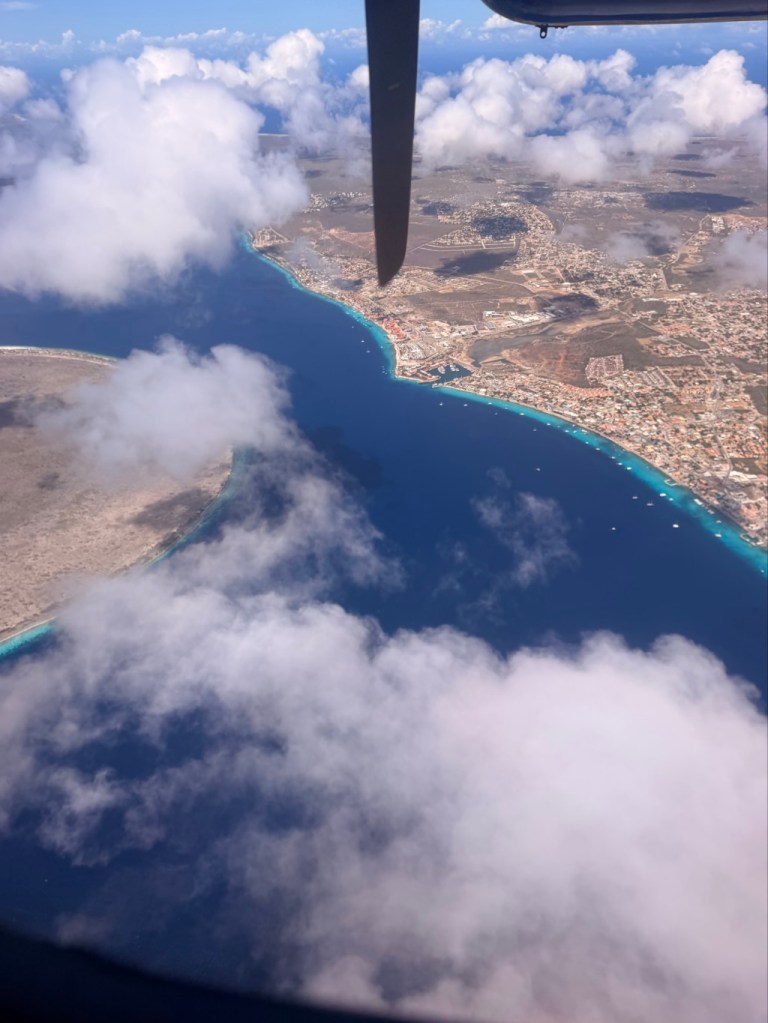
Anyway, after a full last day and a final meal with our ‘Stans group, on Thursday evening we headed to the airport and left Kyrgyzstan at 02:25 in the morning. We flew 6 hours to Istanbul, had a 4 hour layover, then caught a 12 hour flight to Bogota, where we arrived at around 15:00 Friday local time. We checked into an airport hotel, managed to stay up until maybe 20:00, then slept until 03:00 Saturday, headed back to the airport and caught a short flight to Curacao at 06:00. Then another 2 hour layover and a very fun tiny plane right to Bonaire, where we didn’t move for the next 10 days. A short drive through a cute, colourful town and we checked into the Harbour Village Resort, a diver’s paradise on the sleepy wee island.
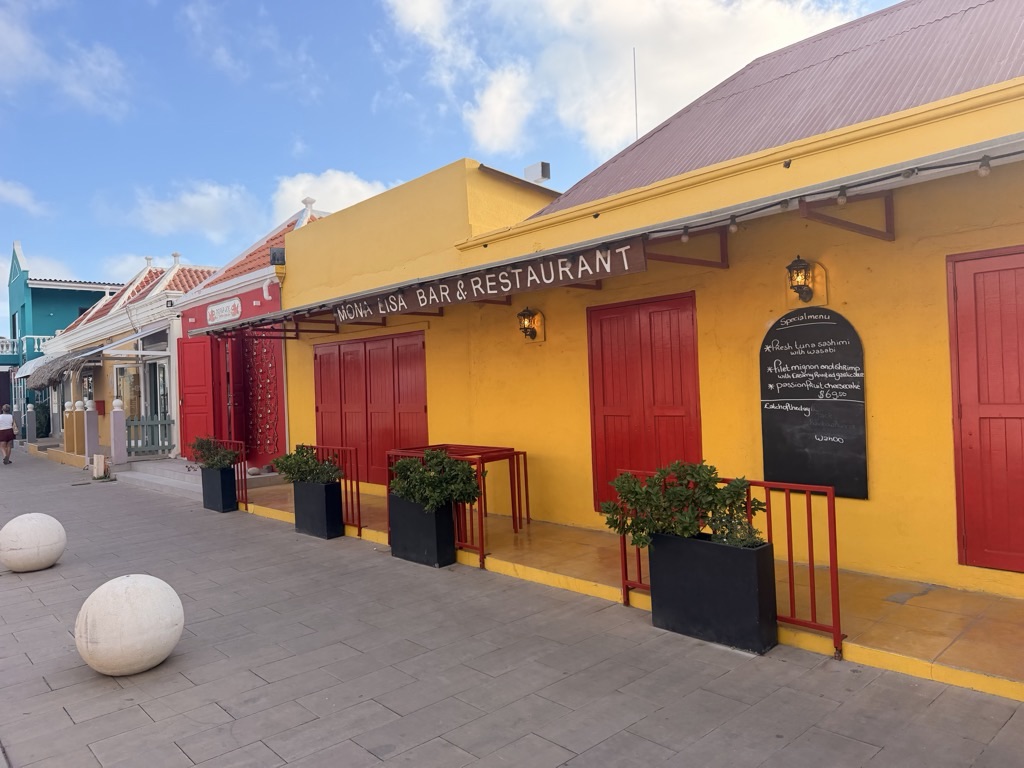
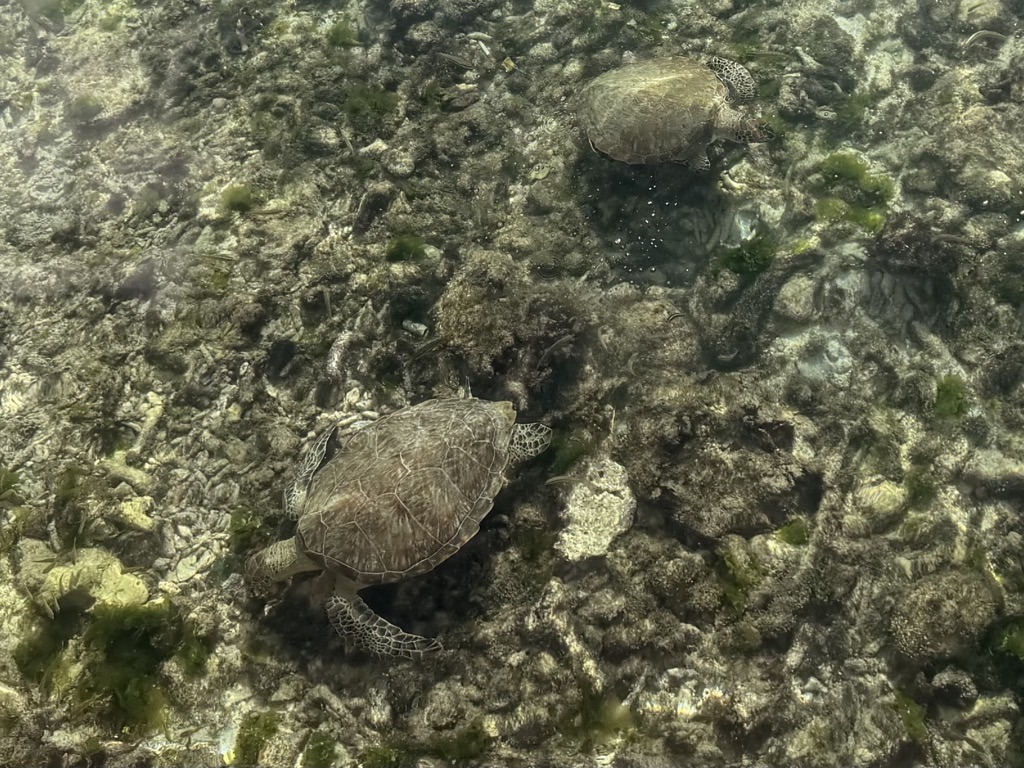
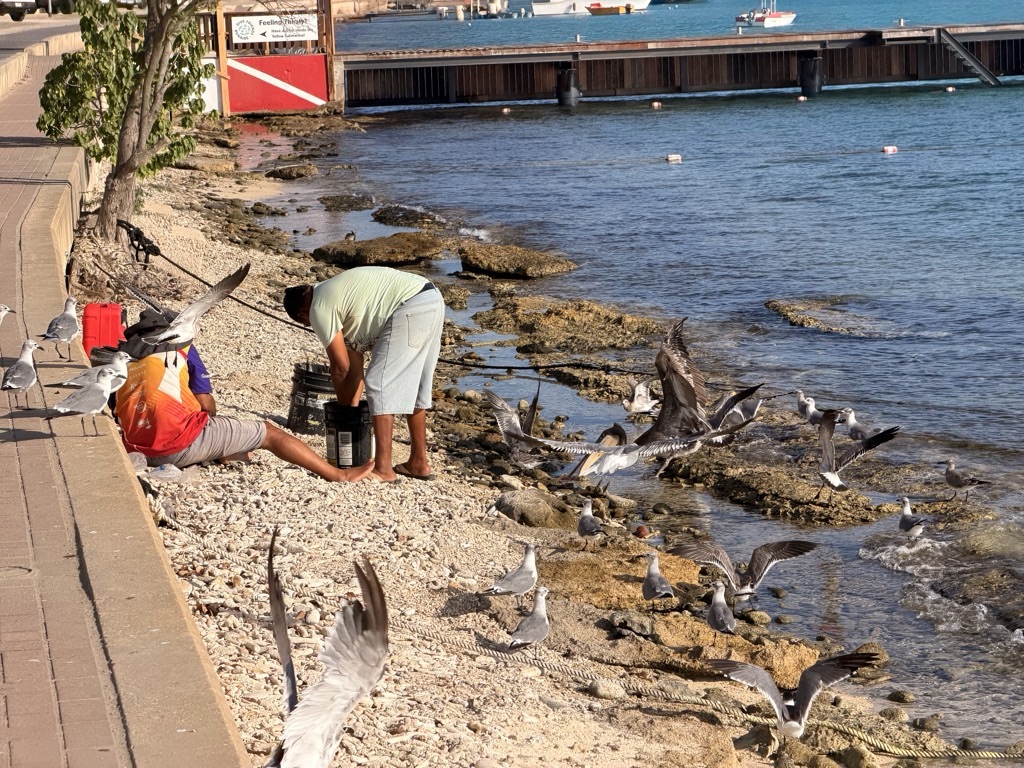
We’ve been fortunate to travel to several Caribbean islands before, including Aruba which is also part of the Dutch Antilles. I’m delighted to say that Bonaire is nothing like Aruba – it’s a chilled and laid-back place, with the balance of tourists to locals definitely not overwhelming. Our hotel was about a 20 minute walk from the main town, Kralendijk, and walking along the seafront, you see a mix of divers dragging tanks off pickups and lugging them into the sea for shore diving, locals chilling on benches, chatting, barbecuing, or swimming at the dedicated swimming spot en route. Peering down over the sea wall, you’re greeted with coral plates, bright green Parrot fish munching away at the algae, and green sea turtles, feeding in the shallows. It was idyllic.
We spent our first full day exploring the local area, finding a supermarket and recovering from jet lag. The next day, we’d booked onto a dive course to improve our buoyancy. Unfortunately, Shona awoke with a cold and despite trying several times, couldn’t equalise the pressure in her ears on the descent. Can’t knock her perseverance as the nose-bleed attested! I finished the course while Shona recovered.
It took Shona a few days to clear the cold enough to dive. In the meantime we hired a moped and explored the island. The coast is awash with dive spots, as Bonaire is a Mecca for shore-diving. People come here and self-navigate as they explore the rich coral gardens in the calm and warm waters. It’s very easy diving – no wetsuits needed here, with superb visibility.
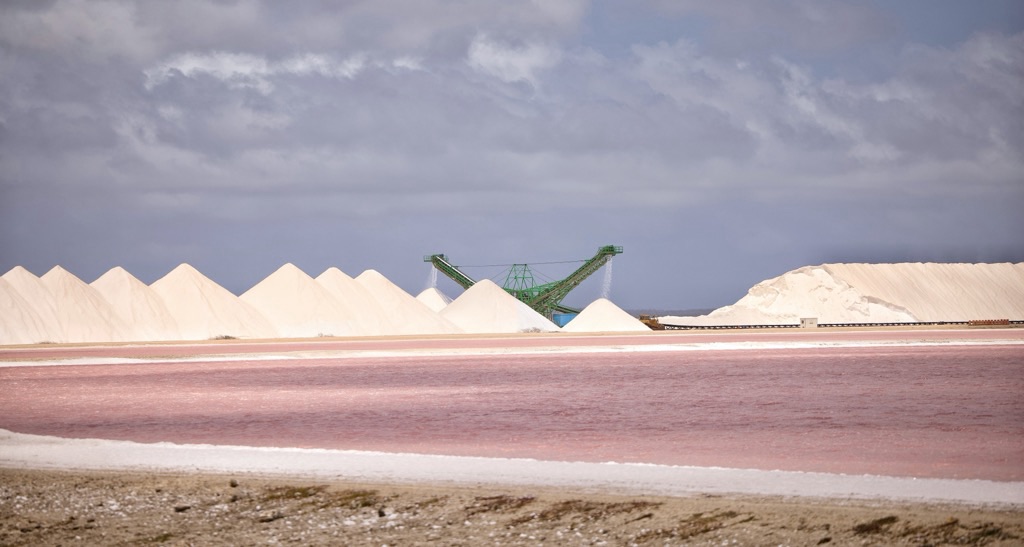
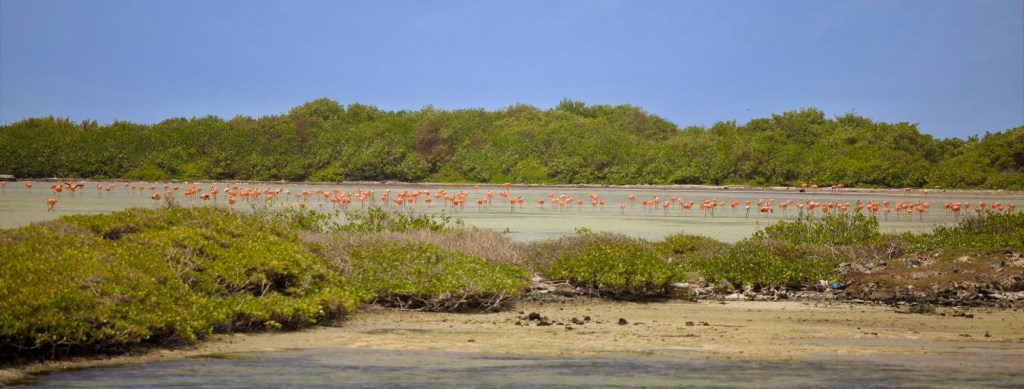
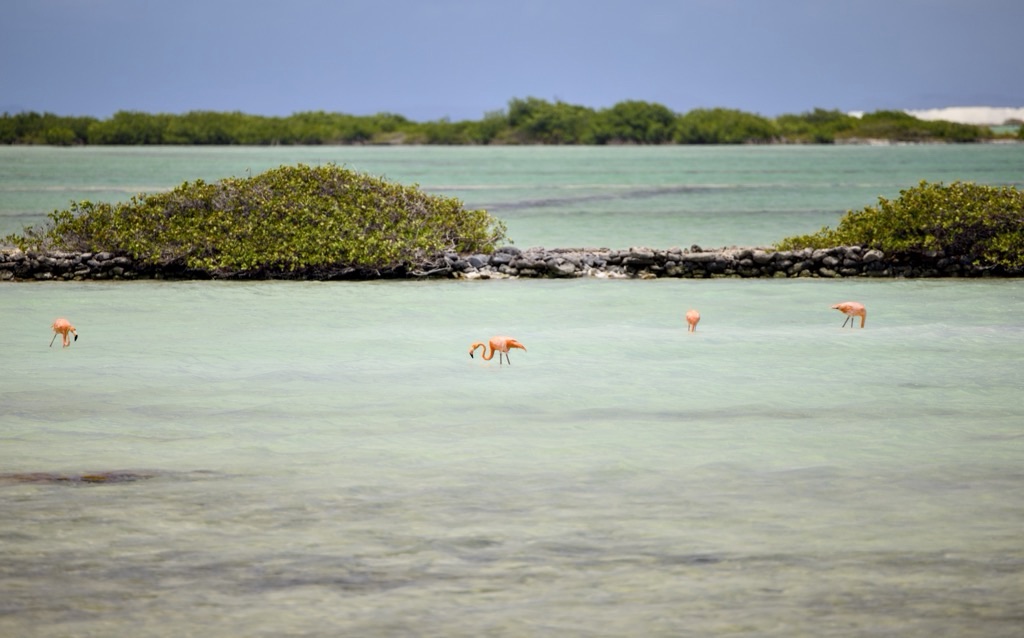
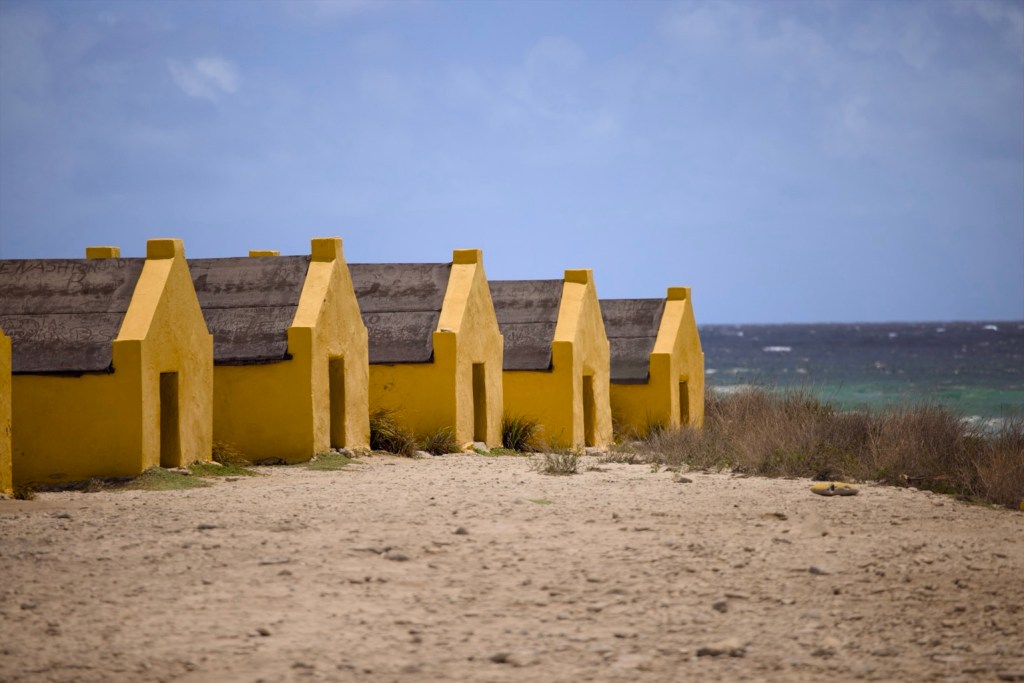
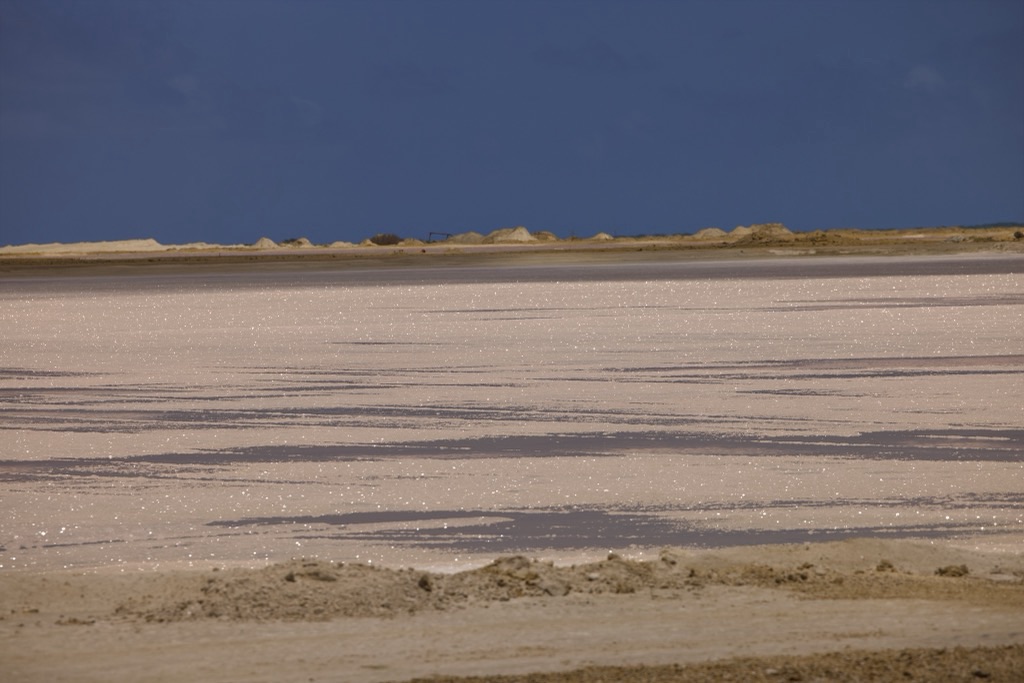
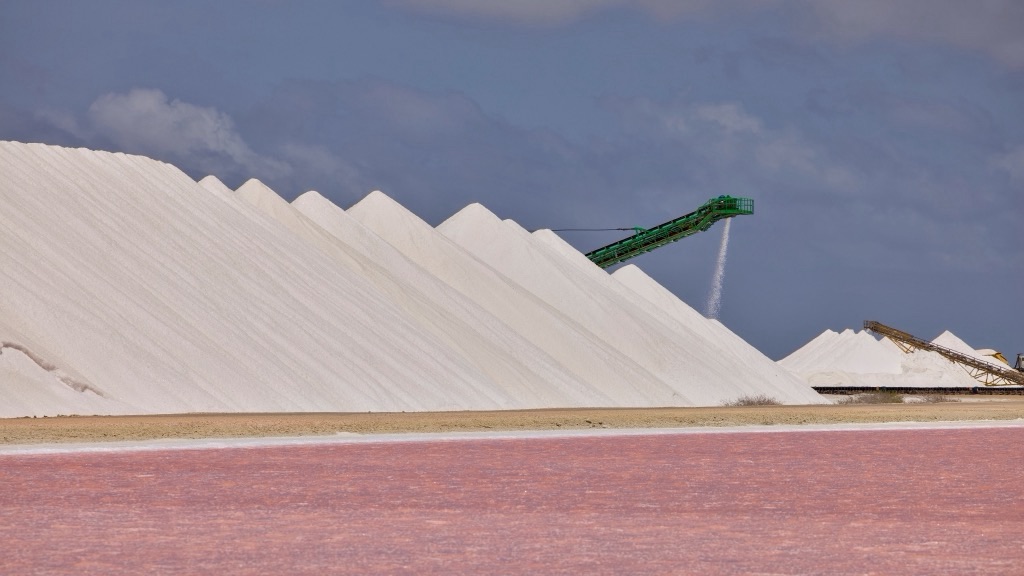
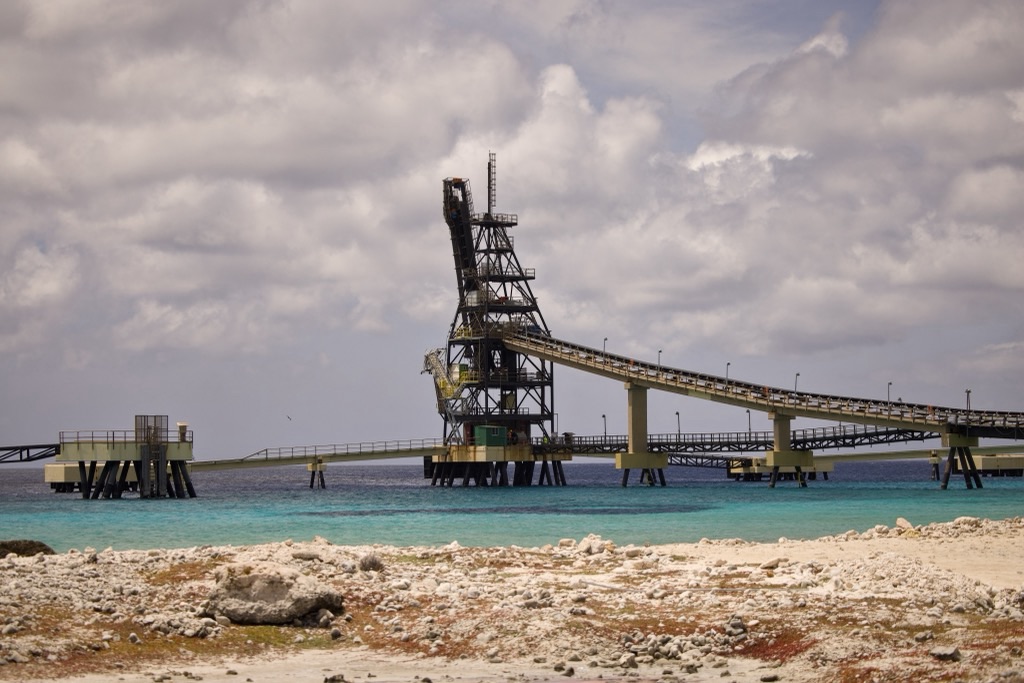
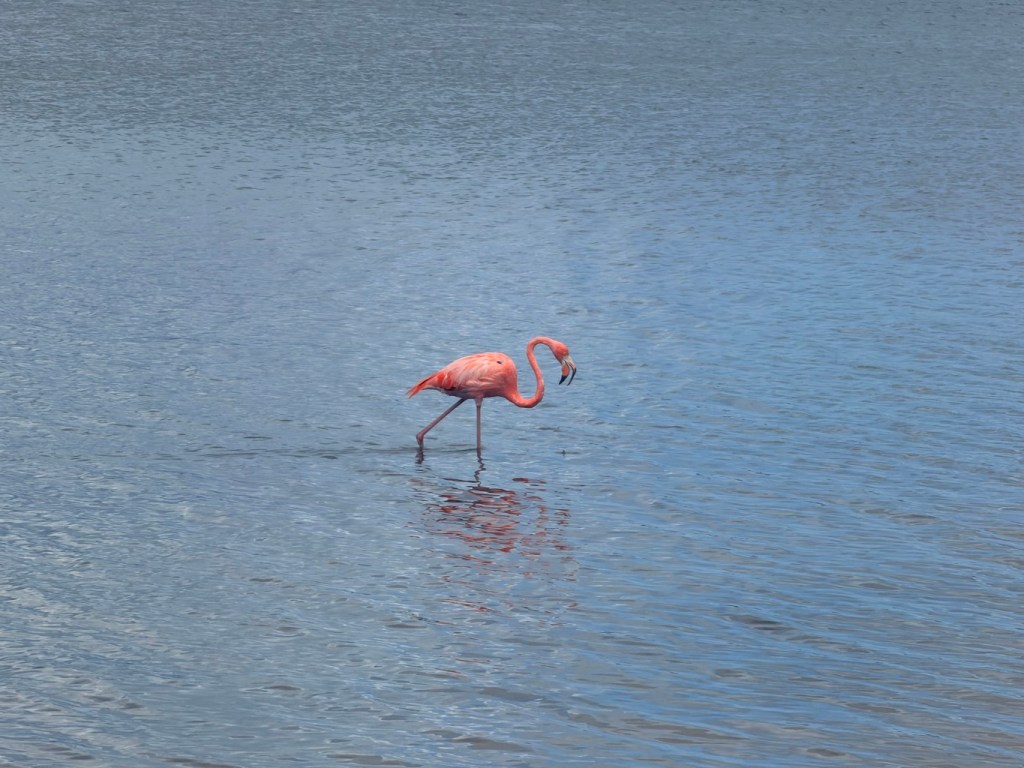
On our wee moped, which could achieve speeds of anything up to 55kph, we rode south, watching the waves crash against the more dramatic east coast. Stopping at a lovely windsurfing spot for a drink, we rode on, finding salt flats and flamingos feeding in the algae and shrimp-rich waters. We found the sobering preserved slave huts dotted along the southern and western coastline; taken to harvest salt in 1850, and thankfully abandoned when slavery was abolished here in 1863. Our final stop was to look at the huge salt pyramids, still being mined and shipped from the enormous salt pier. The contrasting colours of the landscape were pretty breathtaking.
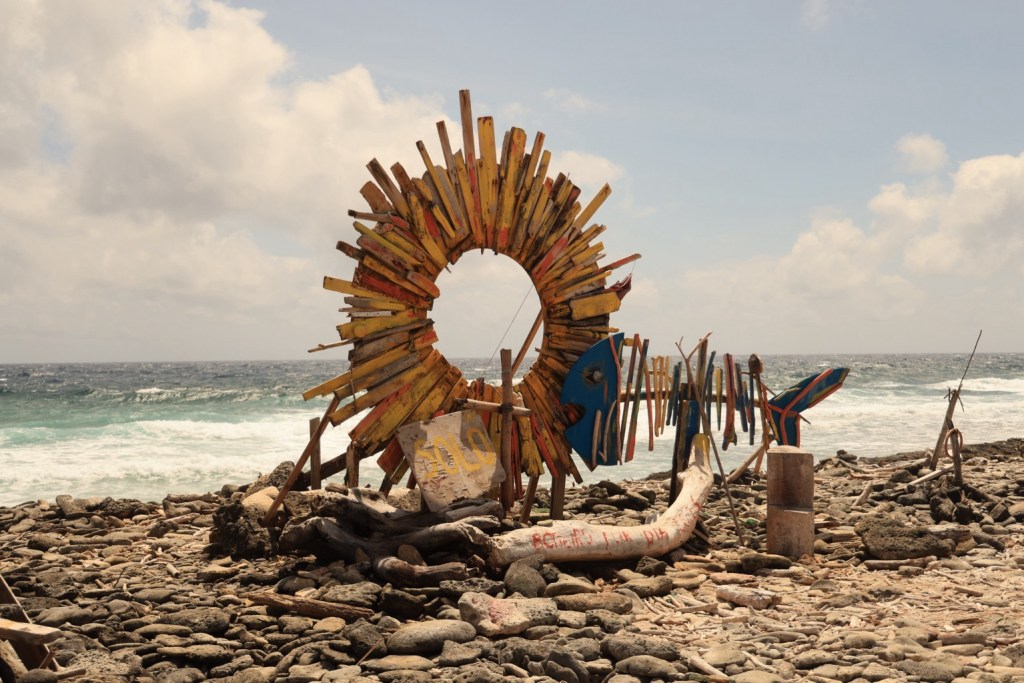
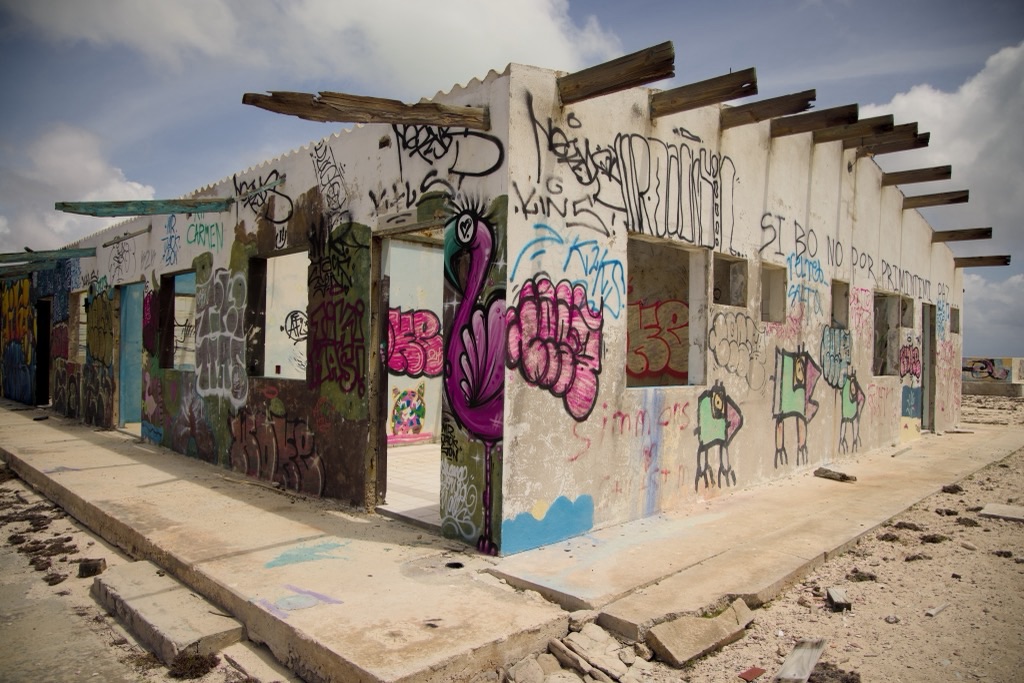
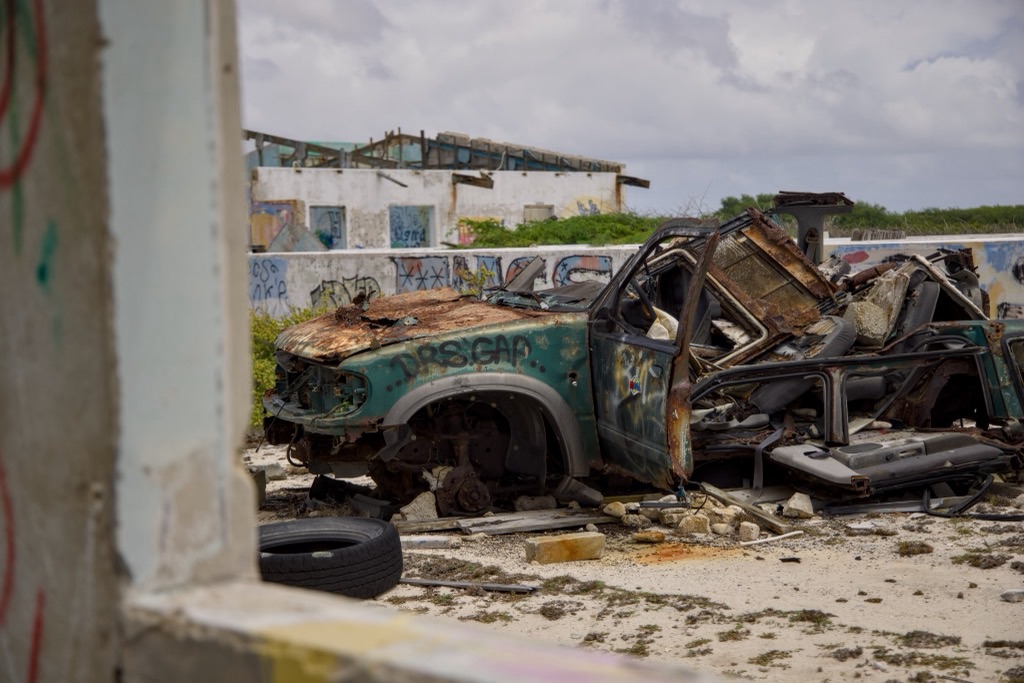
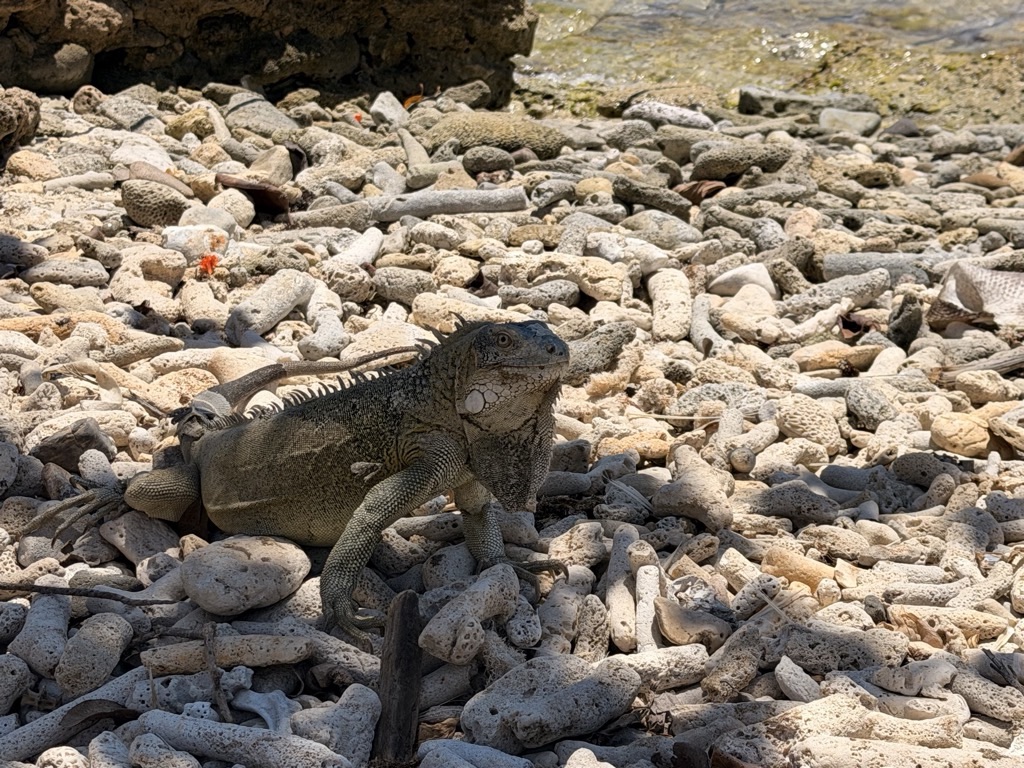
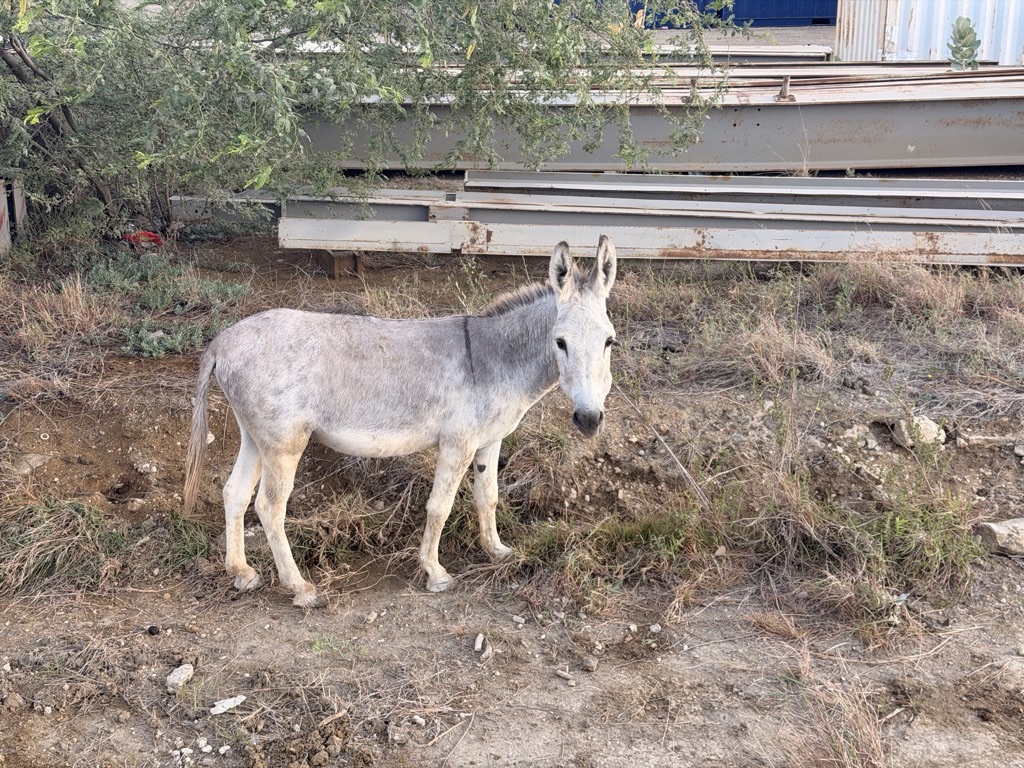
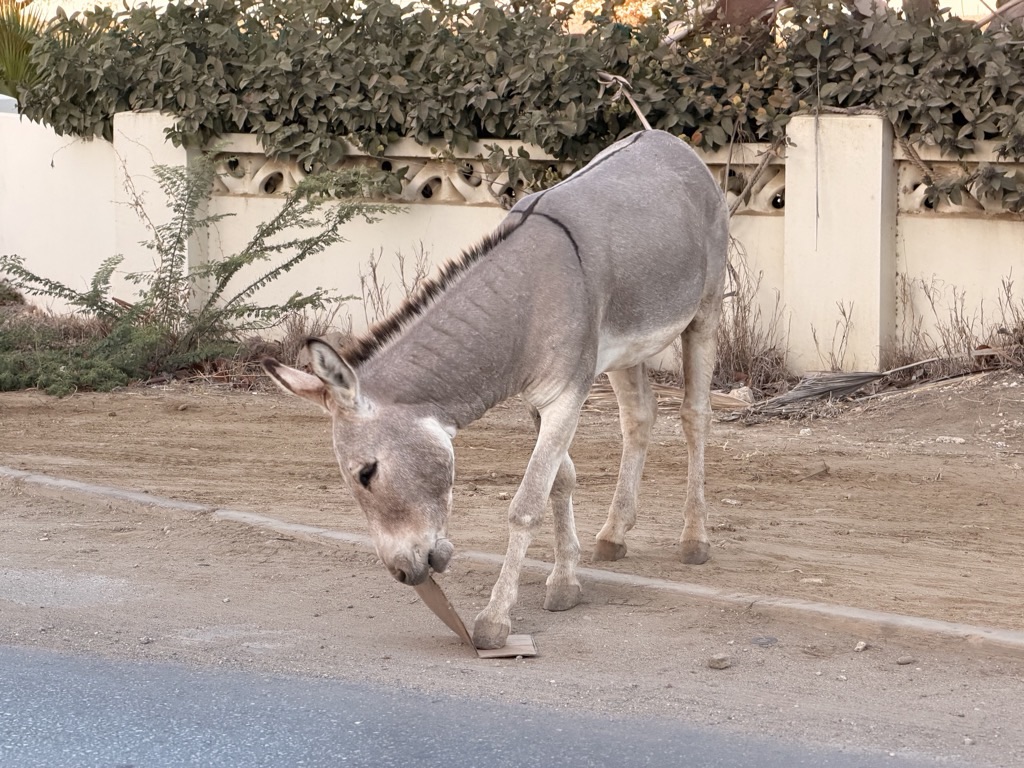
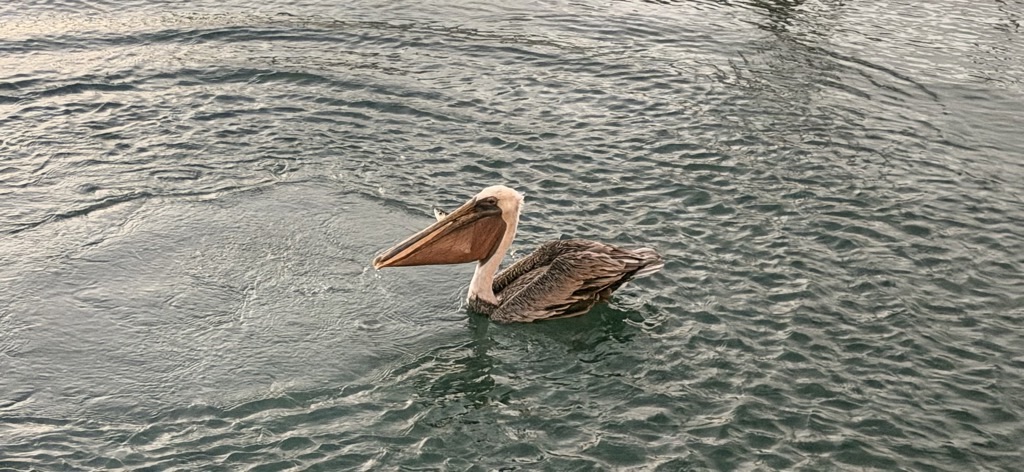
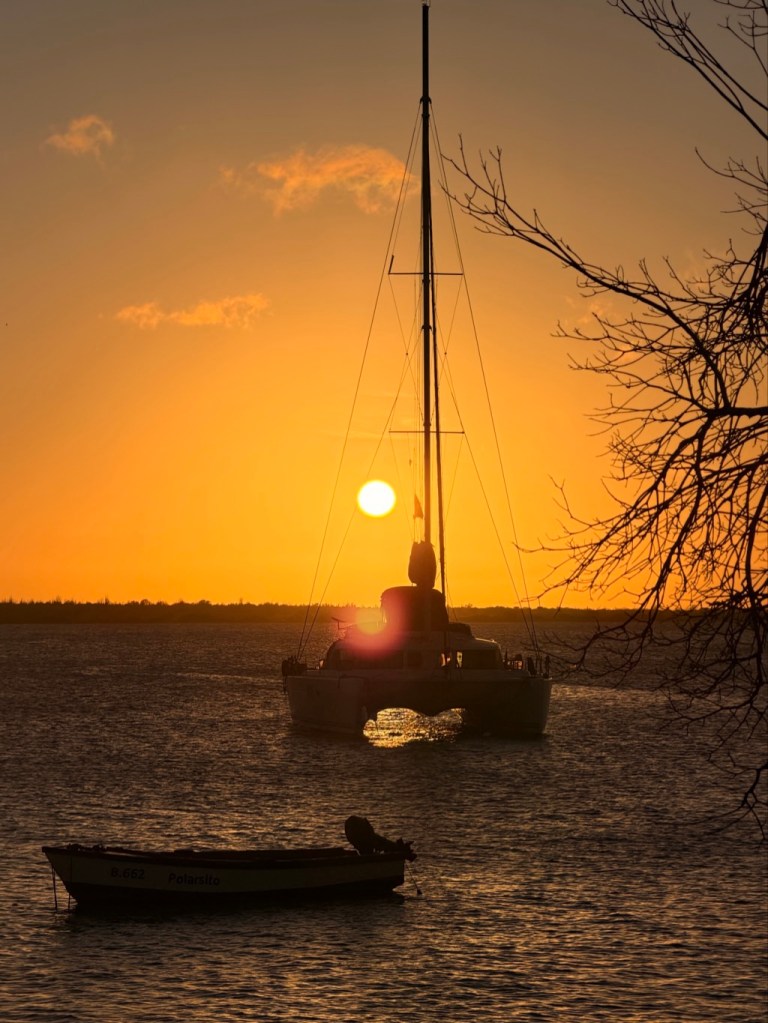
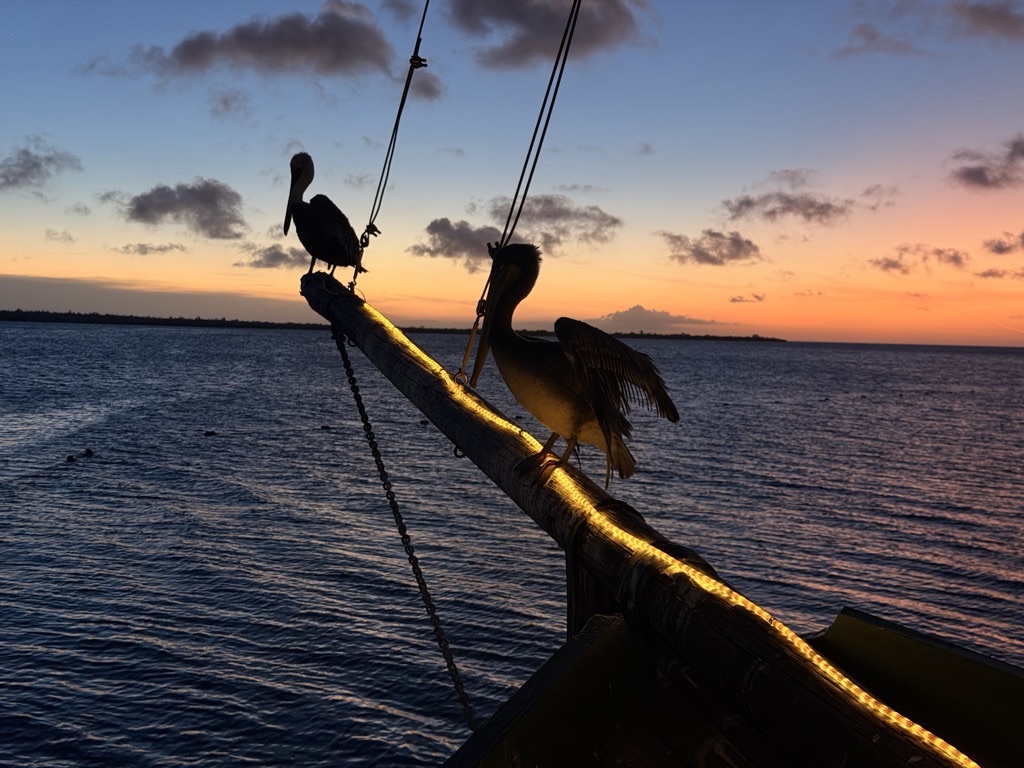
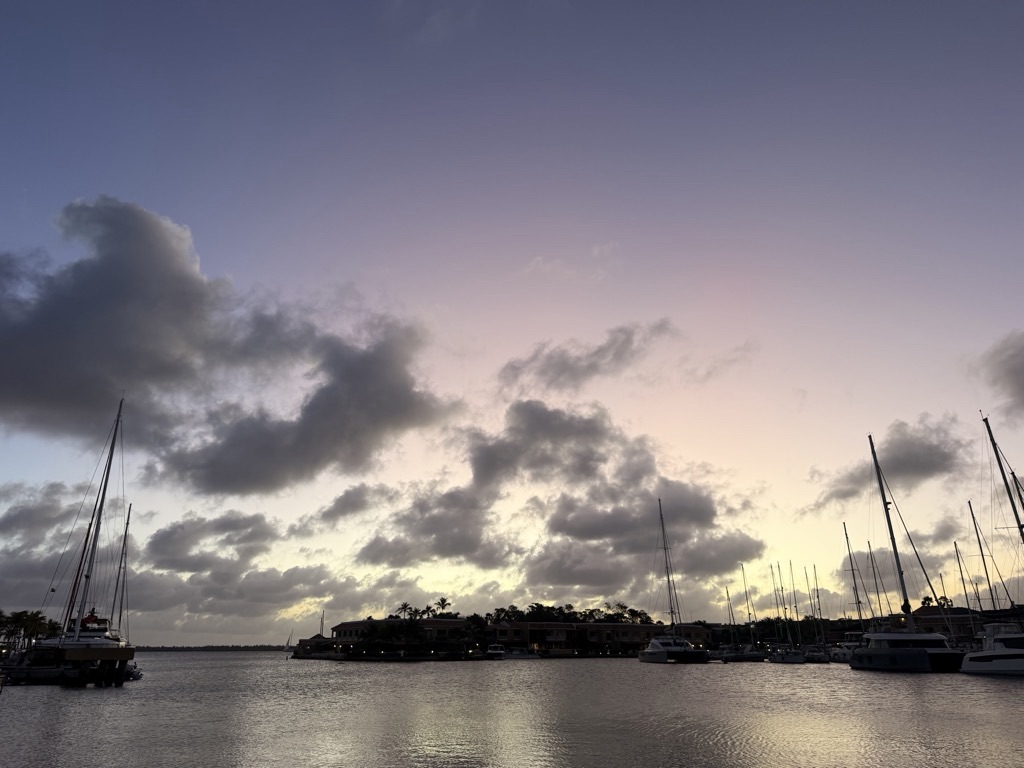
Donkeys pop up everywhere as you drive around Bonaire. They were introduced by the Spanish in the 17th century and they’re now wild, roaming around the island, munching on the challenging vegetation (cacti and scrub). A large sanctuary looks after 800 of them but many more roam freely. Iguanas and lizards are also ubiquitous, which all adds to the tropical allure of this place. The sunsets are stunning, particularly when graced with pelicans, fishing in front of you as you watch the pinks and ambers burn in the sky.
On the Thursday, I started diving and Shona felt better enough to join me the following day. We started with a test dive from the resort, confirming she could descend, we navigated ourselves to a nearby reef and sunken boat. Altogether a very successful dive and enough to book us up for the rest of our stay. We did around 12 dives over the coming days, all of which were incredibly easy and gentle. Shona completed the course later in the week. These waters aren’t awash with ‘big stuff’ (sharks, rays, etc), but we saw turtles, a few spotted eagle rays, octopus, and millions of beautiful fish in amongst the hard and soft corals.
Bonaire isn’t overrun by tourists, at least at this time of year. Cruise ships do dock, but not for long and only a couple of days a week. Most visitors are Dutch or American, and most come here for the diving. The locals remarkably speak four languages – Dutch, Spanish, English and on a daily basis Papiomentu, a creole language blended from Portuguese, Spanish and Dutch. The people here were lovely, relaxed and living every bit the laid back lifestyle of the less tourist-trammelled Caribbean islands.
After 10 relaxing days, we left Bonaire and headed to Curacao (pronounced Cure-a-Sao), the last of the Nether-Antilles.
Curacao
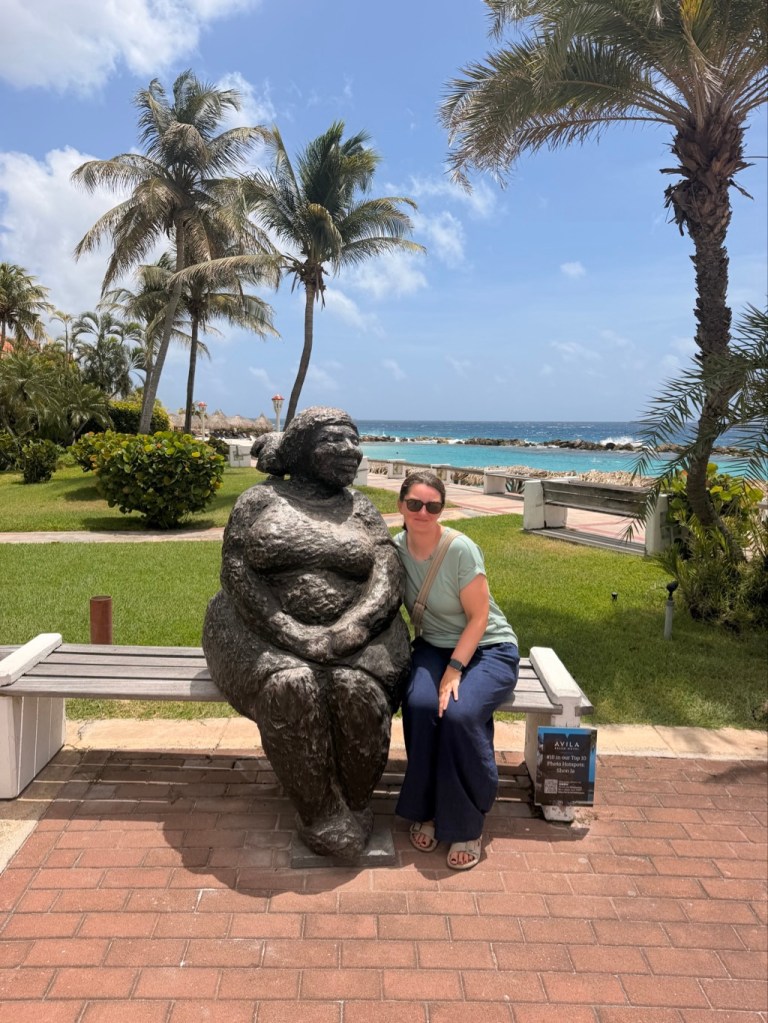
Curacao is much bigger than Bonaire. Curaçao’s population is around 160k to Bonaire’s 26k. We arrived on our tiny little plane and transferred to our hotel, the Avila Beach Resort – a smallish resort with two private beaches, enclosed by artificial harbours made from ancient coral, protecting the bays from the crashing waves of the Caribbean Sea.
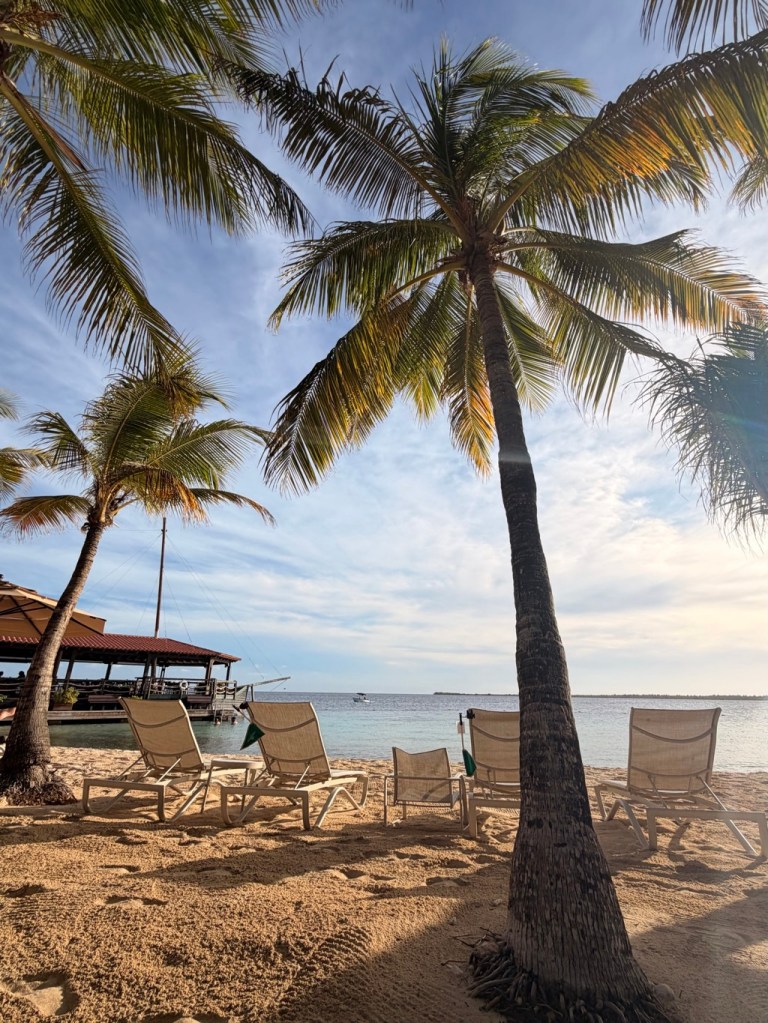
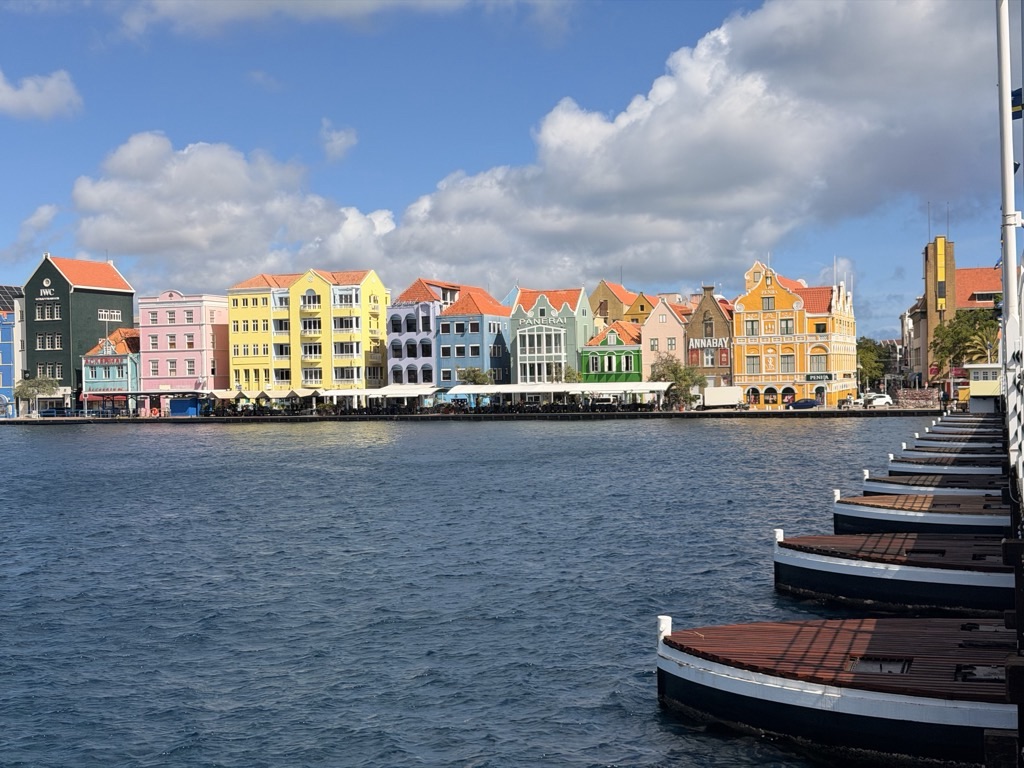
We were only here for four days, but spent our time wandering around Willemstad, an at-times pretty little town centre; avoiding the cruise ships and passengers; using the excellent gym and pool at the resort, and eating in the remarkably good local restaurants.
Unlike Bonaire, whose eateries were fairly hit and miss, we didn’t have a single miss in Curacao. The restaurants near our resort were exceptional; the food outstanding and as good as any fine dining restaurants we’ve been to. Special mention to Sal the Kitchen and MosaCana, which were both incredible.
We spent one day diving with a local operator. We met our guide, Nick (a Dutch national) and Mark and Carol, a retired couple in their late 70’s from Massachusetts who were life-long divers, and apologetically anti-Trump – we liked them immediately.
We were doing shore dives so loaded up our gear into a van and headed out of town, up and over the 56m high Queen Juliana Bridge, where we promptly broke down. Smoke billowing from the exhaust and hazards on, we were in a sketchy spot. Fortunately, the police and a pickup from the dive centre turned up quickly. We managed to reverse off the bridge by closing a lane and transferred to the pickup to continue our journey.
Divers chat diving, and we discussed some of the places we’ve each been. Mentioning a great wreck dive that we’d done, Carol said she’d never wreck dive again. Years ago, she was stopped at 20ft doing her safety stop. Suddenly, a diver who was not in her group shot up from the depths and continued all the way to the surface, looking up, she witnessed his death as a lung expansion injury flooded the water around him. We’ve been told and witnessed lots of brutal diving moments but this was by far the worst story we’ve ever heard.
Thankfully, not completely freaked out, our dives were some of the easiest, most gentle dives we’ve done – our guide was delighted at how relaxing and enjoyable it was diving with the four of us (the bouyancy course clearly worked). The next time we’re scheduled to dive will not be so relaxing, but that’s a story for another day.
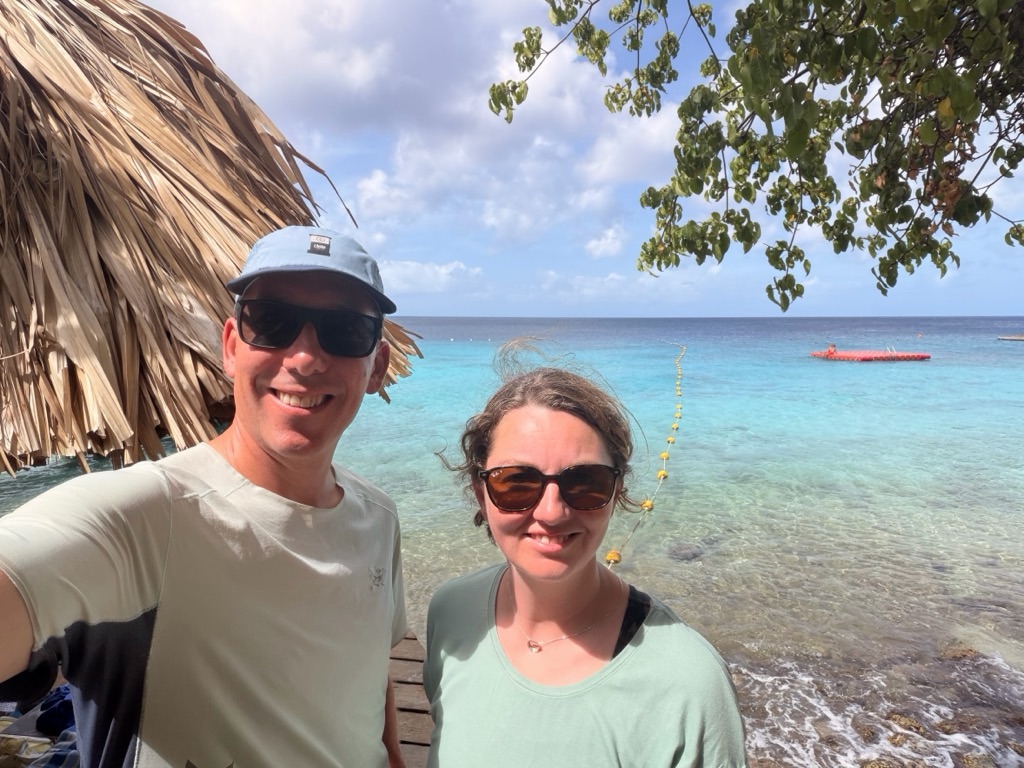
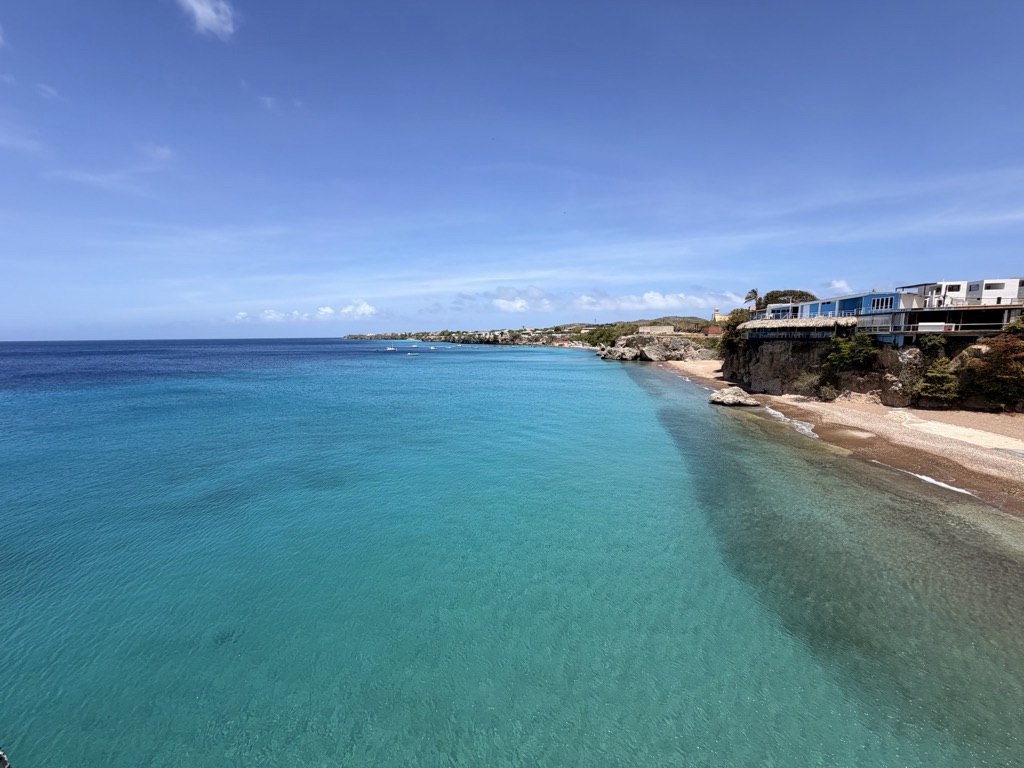
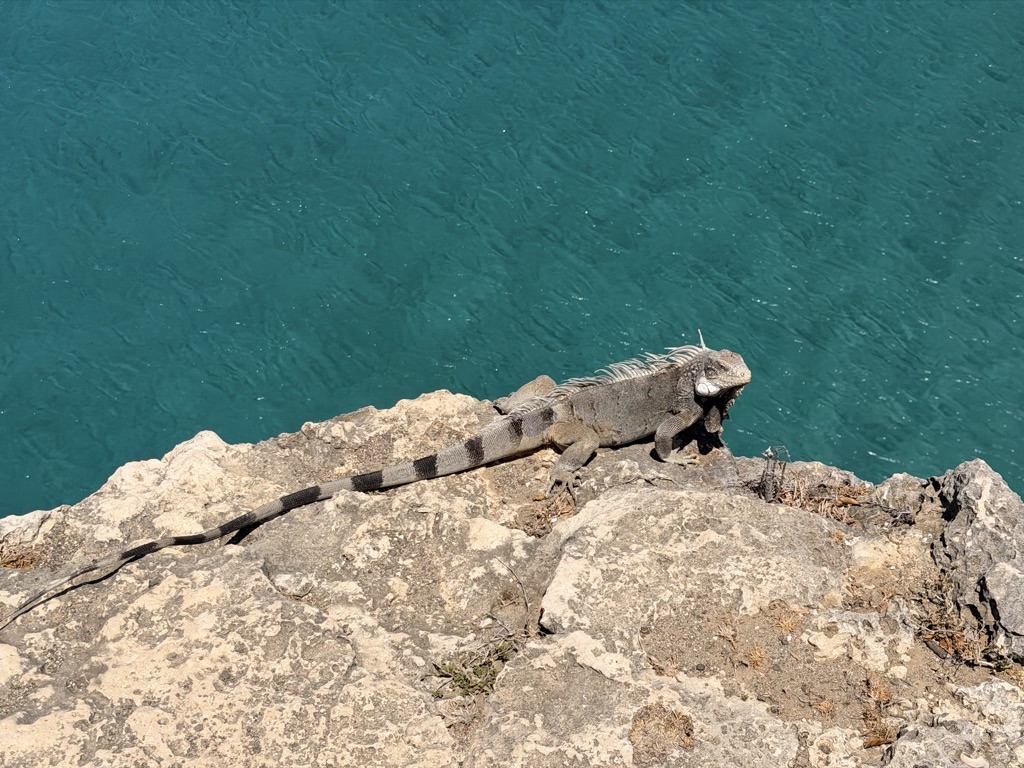
Our final day was spent relaxing at the resort before our next big travel stint starts. We ran, swam, gym’d and enjoyed the sunshine.
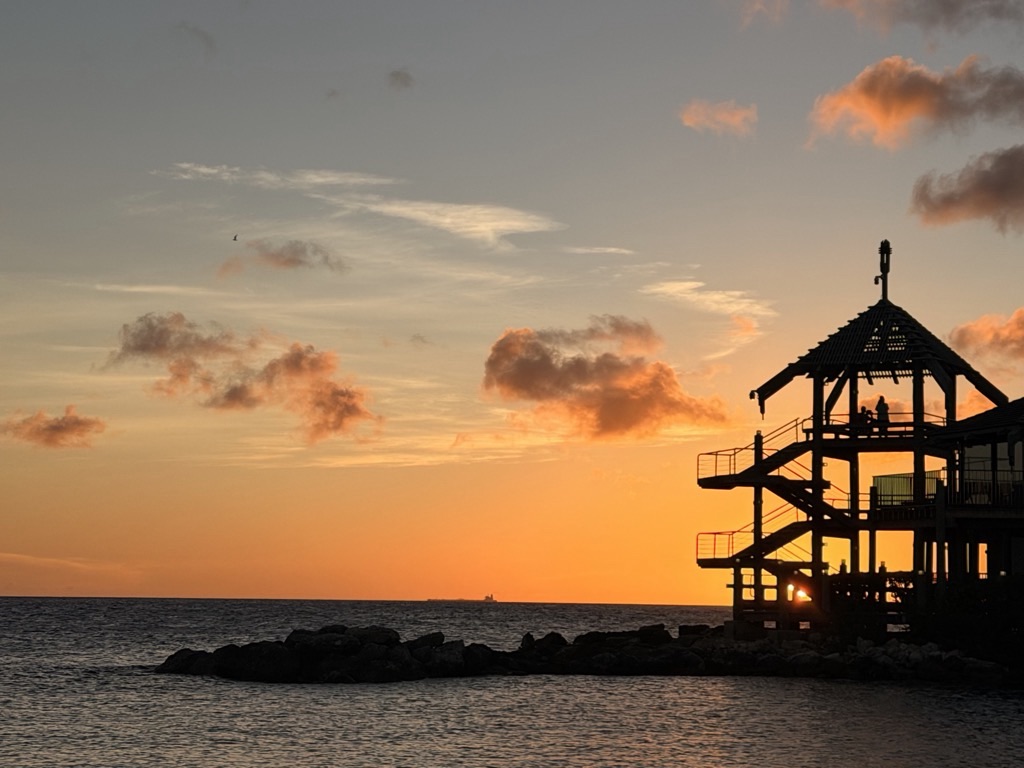
Today we head to Bogota, Colombia. Looking at the forecast, I think we’re going to need to dig out jumpers and rain jackets. We’ve not used these things in many months. Strange to think that 20ºC will feel cold. We’re spending the next two weeks touring around Colombia, and the next three months in South America.

