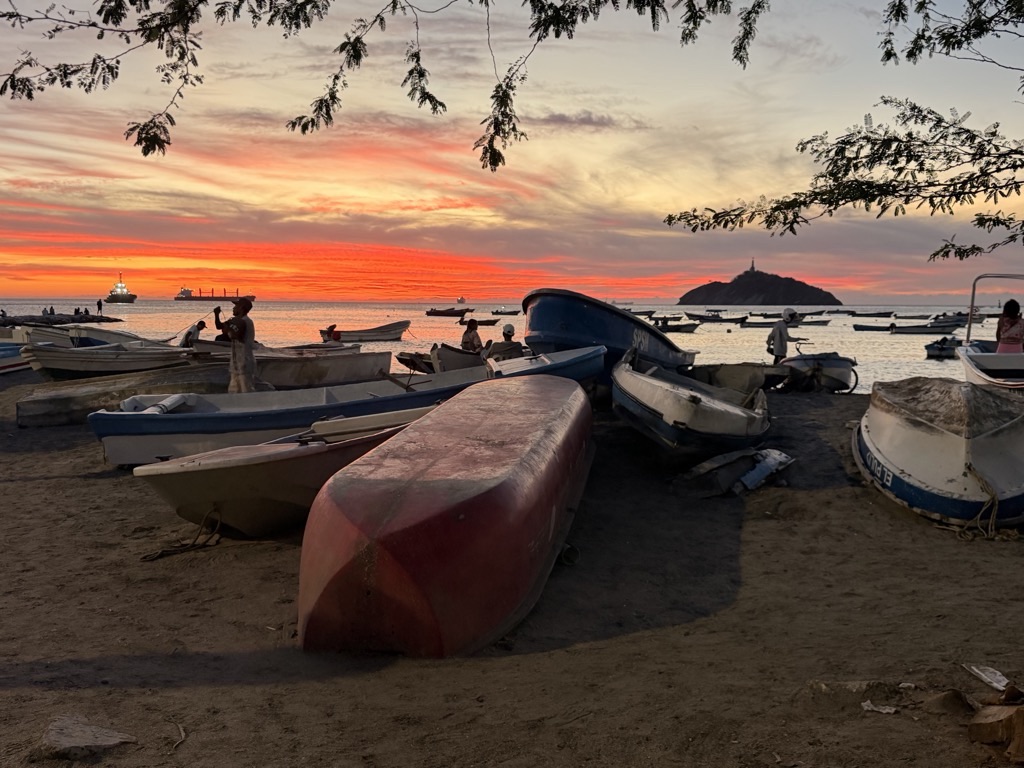

Santa Marta
We said goodbye to the group in Cartegena, spending our last evening with Jen who was staying on for some R&R. She had been booked to continue the journey to Santa Marta, but had decided against it, as Santa Marta had been at the centre of some trouble recently. We, on the other hand, went ahead with our visit. Originally, we’d been due to join a trek to the ‘Lost City’ – Ciudad Perdida – a pre-Incan city from around 800AD. Unfortunately, October turns out to be the month that the trail and city are closed to visitors (something you’d have thought would have been known when we booked it). Rather than cut Colombia short, we elected to explore more of the Caribbean coast.
We were picked up by Wilson, a local driver with a wonky eye. Wilson doesn’t speak English. Wilson may not speak Spanish either. Wilson doesn’t speak. So, in silence, we travelled the 4 hours to Santa Marta, a town further along the coast towards Venuzuala. We checked into the Casa Isabella hotel and were given a large room at the very top, with a secret staircase up to a private plunge pool on the roof. All very decadent (and as it went, unused for us!).
Early that evening, we had a lovely call home to my sister, and blathered away for hours over WhatsApp. WhatsApp is a real lifeline – it’s become the default messaging platform at home, but when abroad, the video and voice functions become invaluable for keeping in touch over WiFi when ‘phones’ are essentially useless bricks.
The next day, we joined a tour to Minca, a small village up in the mountains. We’d booked this section of the trip through an agent. Unfortunately, the coordination and instructions we’ve been given haven’t been entirely useful, and we were an hour late due to an incorrect pickup time. To catch up with the tour, two motorbikes were called, and helmet-less, we hopped on the back to be taken up a rutted dirt track to a remote coffee plantation. It was quite good fun, in a kind of: ‘I’m going to die’ sort of way.
Arriving unscathed, we joined a short trek to the coffee plantation and had another demonstration of coffee-making/tasting (they really do love it here). We then took a hike down to a local waterfall, before starting the hike back down to where we originally picked up our bikes. At this point, the heavens opened with huge thunderclaps. We paused under some shelter, but time was ticking on, and our young guide said we needed to get going. The next 20 minutes saw us wading through torrents of floodwater; lashing off roofs and creating rivers of the roads. We were all soaked to the skin by the time we made it to our lunch stop.
After an excellent lunch (rice, chicken, plantain), we had a chocolate-making demonstration, where we tried each stage of the cocoa bean – from pod, through to roasted bean, then made our own chocolate bars by grinding roasted bean into our hands, combining with cane sugar crystals and sunflower seeds. It was excellent – the taste was so much richer and fresher than any chocolate we could get at home. We ended up buying a box of the locally made chocs, made in a shack, in a jungle.
On the to meet our lift back (Wilson again), I asked the guide how tourism was after the recent trouble in Santa Marta. He explained… A local paramilitary leader was killed a month ago on the orders of the new President of Colombia, who has recently taken office. He’s come in with a mandate to show force, contrary to the previous incumbent whose tactics of negotiation had only seen the paramilitary groups strengthen in power. In response to the assassination, a new leader was immediately appointed and called a strike in Santa Marta – a demonstration of the Paramilitary’s power to the government. The group issued a dicktat that all businesses in Santa Marta must close in a ‘forced strike’. The President countered by broadcasting that residents should ‘open their stores, the government will protect you from the paramilitaries’.
Some people opened their stores, and very quickly retribution was made – videos circulated immediately of armed motorcyclists shooting out the windows of the open stores. While people weren’t targeted, it was a strong show of force from the illegal army.
Our tour guide told us that he, like everyone else, pays protection fees to this paramilitary group. He said he’s happy to pay it; they do a much better job at dealing with crime than the police. He said that if his bike gets stolen, they will find the culprits. While it feels like an extra tax, for the governement to truly address this will need more than removing the Hydra’s head (a second leader was killed shortly after the first). It would require wholesale force and that is something that the people now fear.
As I said, we knew about this before coming (although not, in fairness, the shootings), but on reviewing government travel guidance, and a very brief exchange with the chap we booked through, we felt it was safe to travel. Tourists are not being targeted, but as I said in the last blog post, this country is very quick to violence, and armed conflict feels around the next corner.
We spent the next day in Santa Marta, going for a hot run in the morning, then grabbing a decent coffee in one of the many coffee shops around the tiny city. Santa Marta is a poor place. There are a lot of beggars and street hawkers, selling water out of cool boxes, or tat on strings. It’s a bit of an assault on the senses; with the heat oppressive, and many side streets (and people!) delivering pungent odours as you pass. Lots of police are visible on the streets, which feels a bit overweight as a deterrent, particularly when we were told that there is limited actually policing. A protest was going on while we were there, and alcohol sales had been banned; presumably to suppress uninhibited behaviours. Shops and businesses entirely ignored this, and talking with one local chap, he said that the police would probably give you a thumbs up for having a beer in front of them.
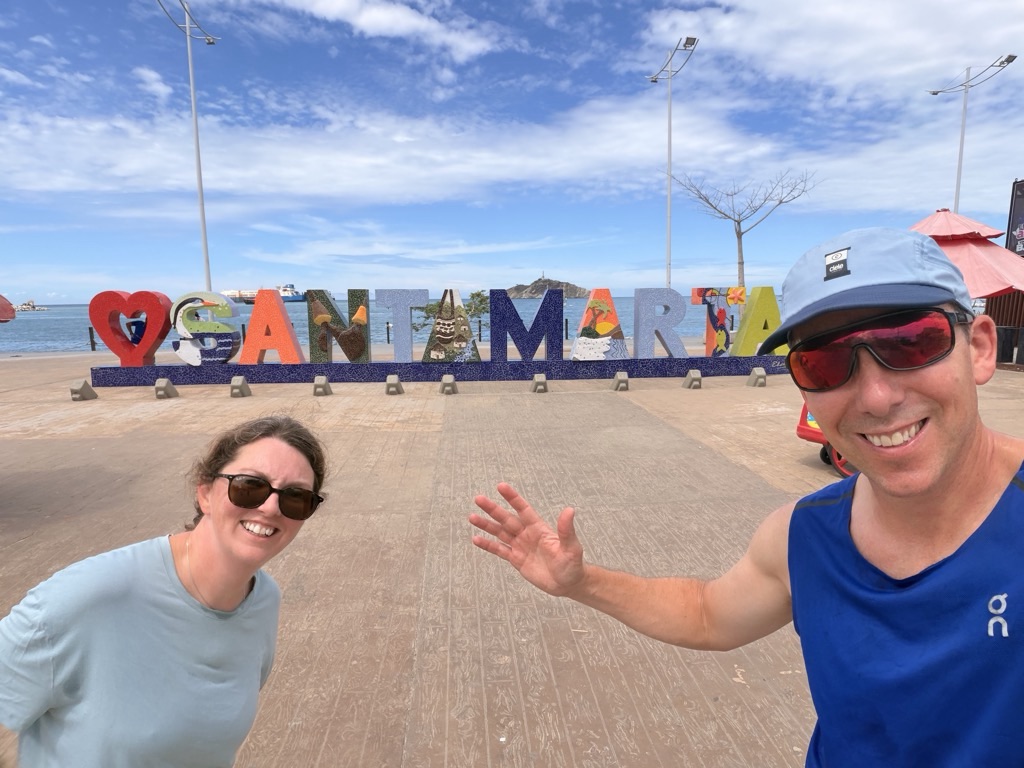
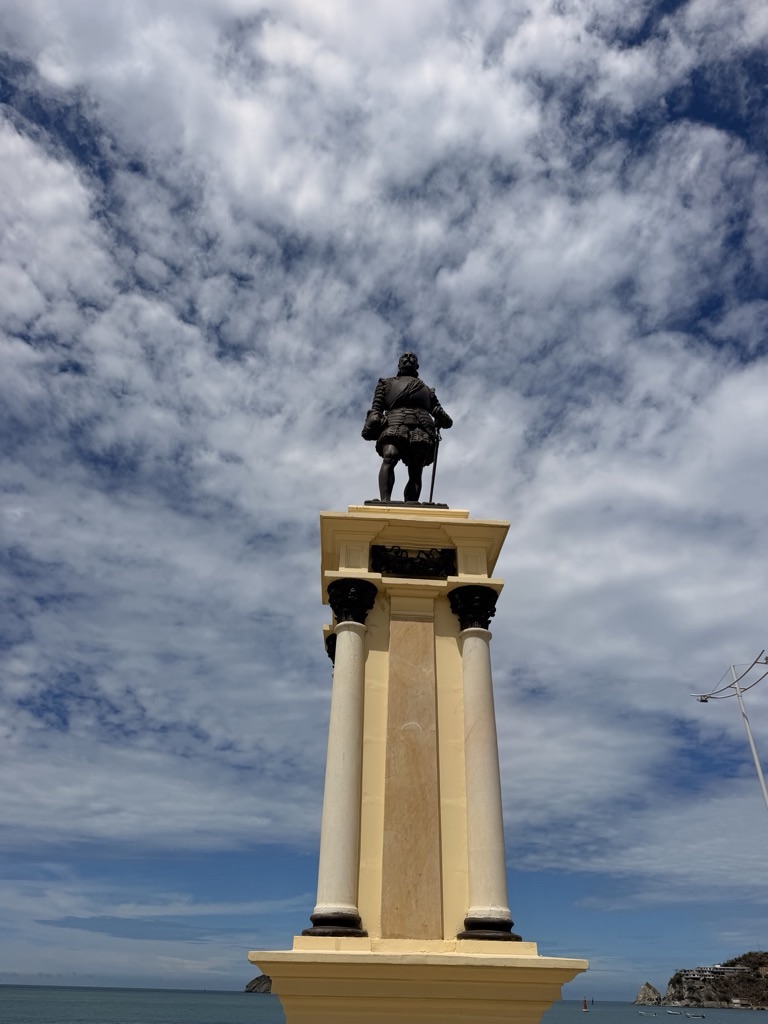
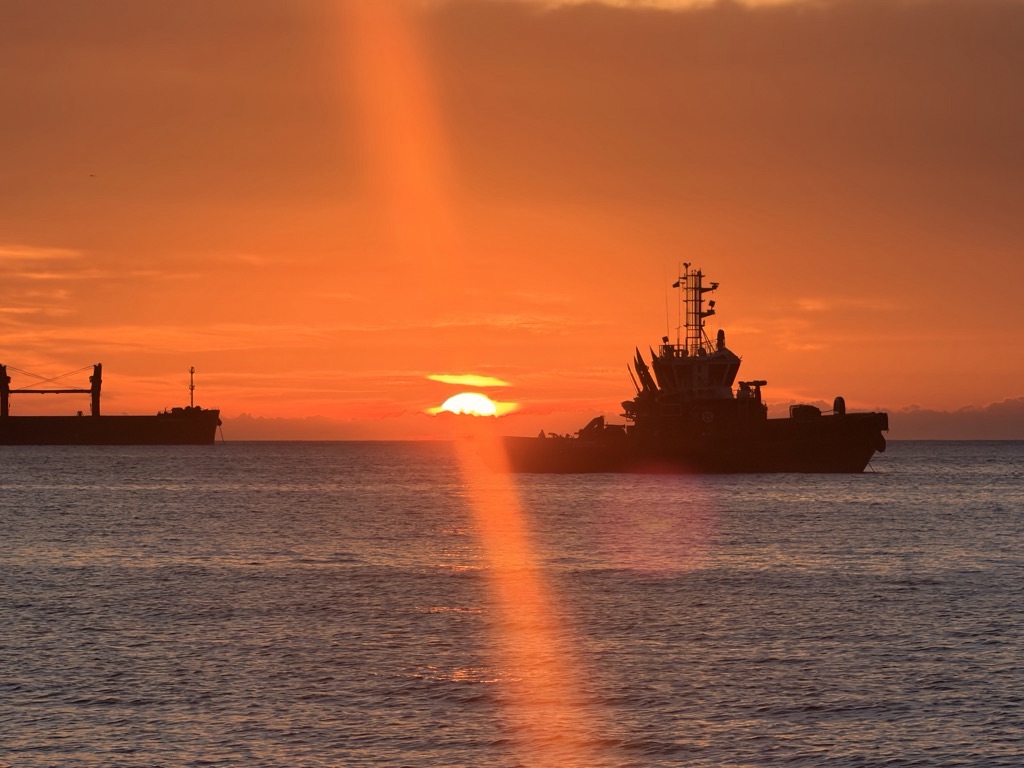
That evening, we’d been booked on a local bicycle tour. It was hilarious. Guided by a lovely young chap called David (‘Daf-eed’), we spent two hours touring around the tiny city, covering a giant 4km in total. David was very sweet, but not a natural tour guide. He kept getting a bit flustered and out of breath when talking, saying “I’m sorry, I need to remember to breathe”. There wasn’t a great deal to show us or talk about but we really encouraged David and he seemed very happy with himself by the end. We did take in a very spectacular sunset, however. The colours were so vast and vibrant, it was one of the best we’ve ever seen.
Overall Santa Marta isn’t a place I’d recommend staying for long. It has a densely populated bar and restaurant area that is probably quite a party place scene (if the music at night was anything to go by), but the town/city is raw and poor and honestly, probably not the safest place to linger for too long.
Tayrona
We were picked up again by Wilson the next morning. His usual chatty self, we set off without a single word, and after 30 minutes of so, when I saw that the sea was on the wrong side, Shona used her fast-developing Spanish to ask if we were going to Tayrona. “Aeroporto” was the one-word reply. He checked his phone. “Oh”, he said (you can’t shut him up). We turned away from the airport and an hour or so later, arrived at the Senda Watapuy hotel. We’d been booked into a 2-star Ecolodge in Tayrona National Park, but were informed that it is under repair due to recent weather damage. We’ve had a few ‘alternative accommodation’ issues through this tour, often leading to price hikes or us having to book our own alternative. This time however, we’d been upgraded to a 5* jungle retreat. Result!
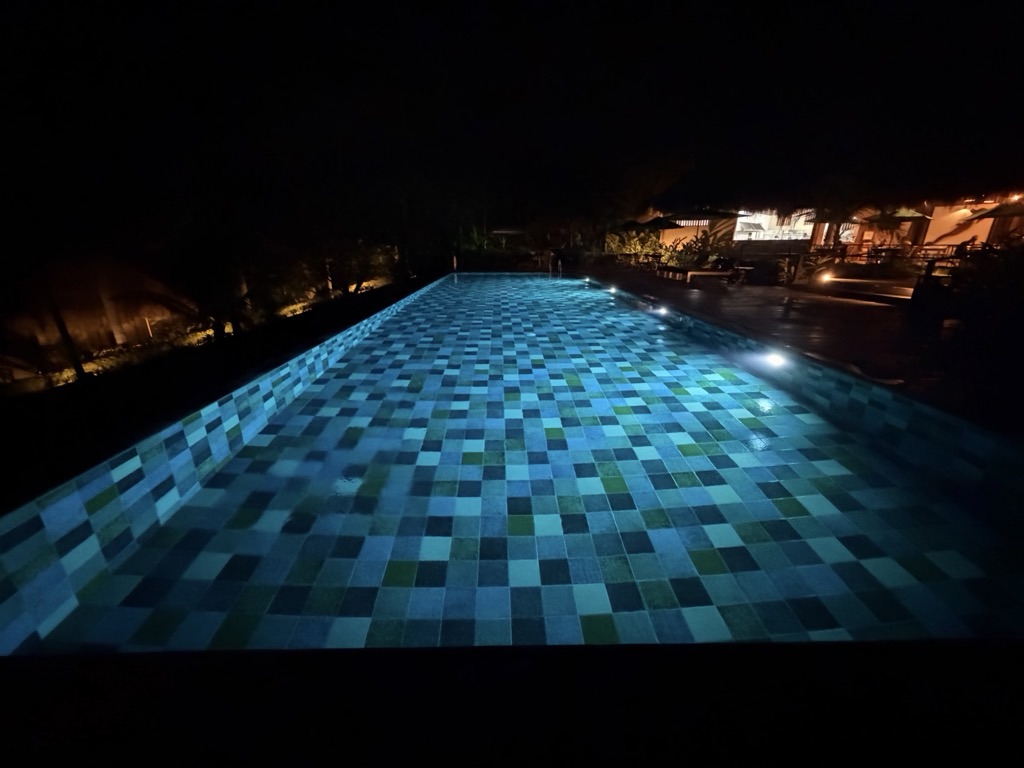
We were a little early to check in, and after a surprising ‘Mi discipulo’ from Wilson, we sat by the lovely pool for lunch. Suddenly there was a scream, and spinning our heads towards the pool, we saw a mother run and jump in, sweeping up a toddler who was floating just under the surface. The child emerged coughing in distress, but thankfully breathing. He’d apparently removed his armbands without anyone noticing, and the only sign that he’d gone in and under was a faint gurgling sound which we only recognised we’d heard after the fact. A harsh lesson in pool safety.
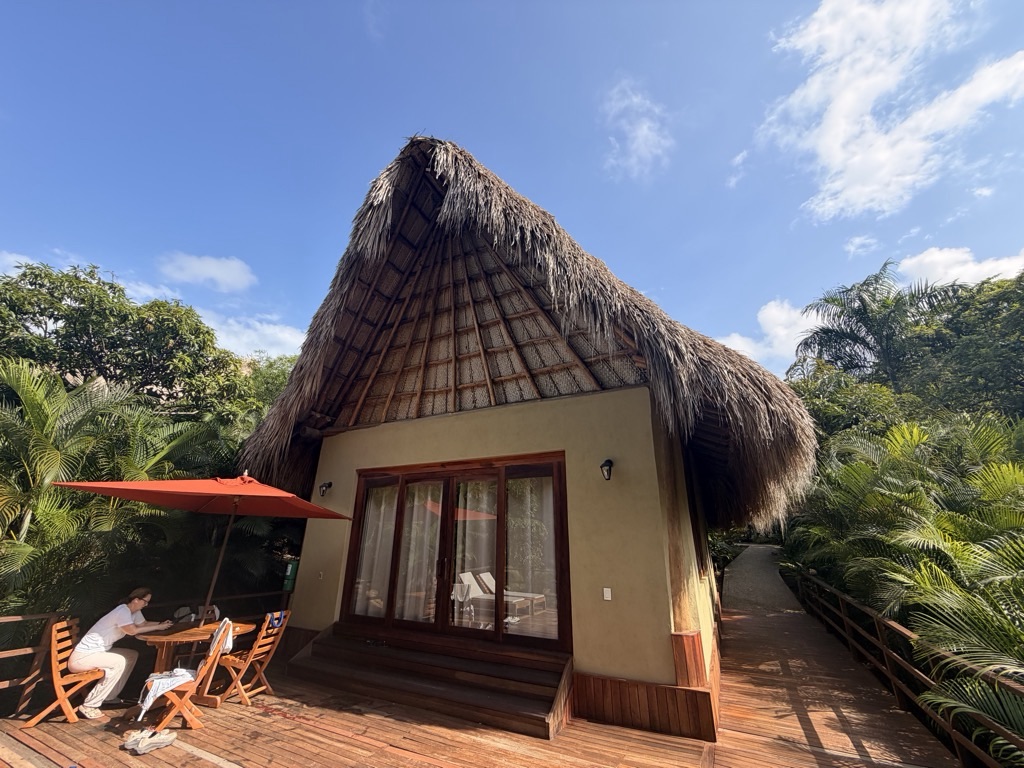
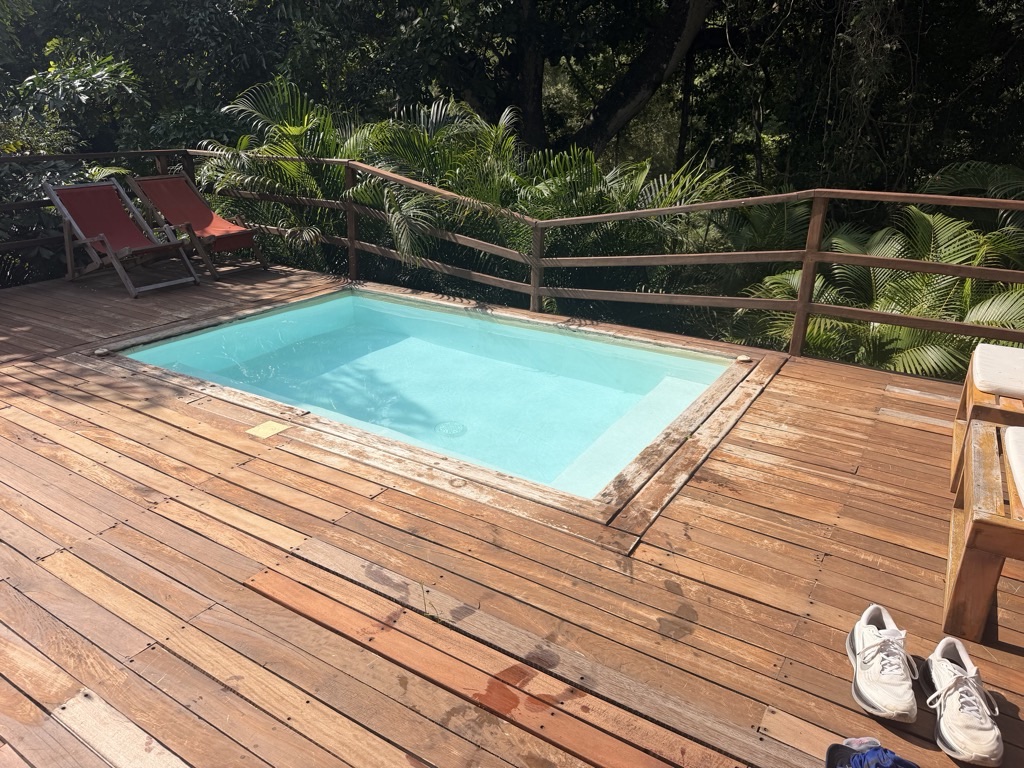
We were staying in one of 20 lodges in the jungle, each a large building with palm frond roofs, and big patio areas complete with plunge pool jacuzzis. Pretty idyllic spot and full of the sounds of birds and geckos. Of course, we were also deep in jungle and it was humid, hot, sticky and had plentiful mosquitos to attack Shona.
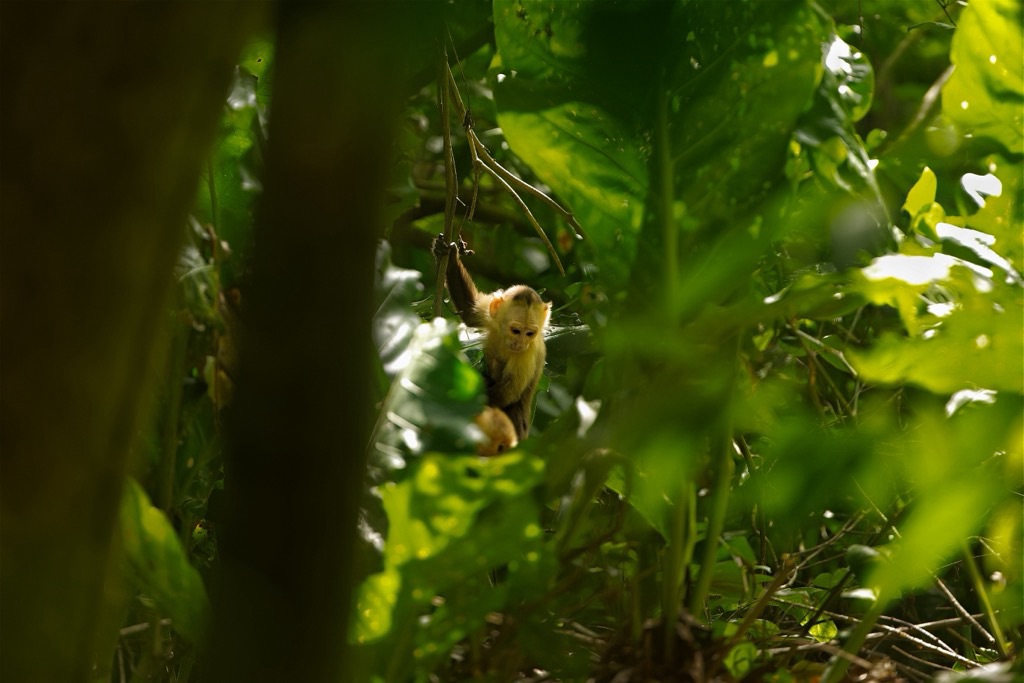
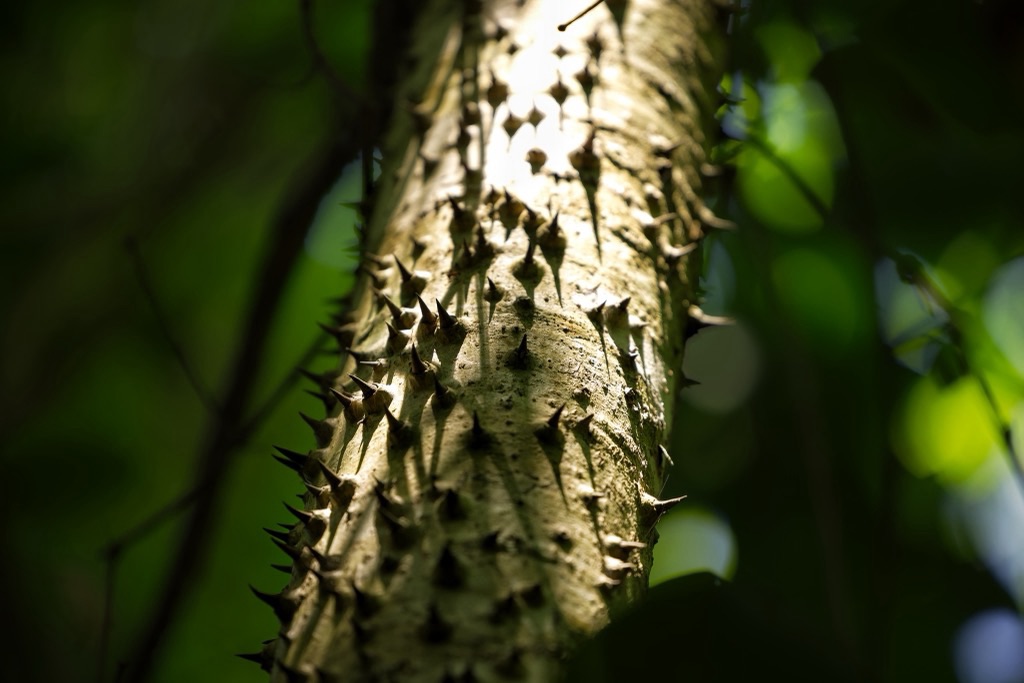
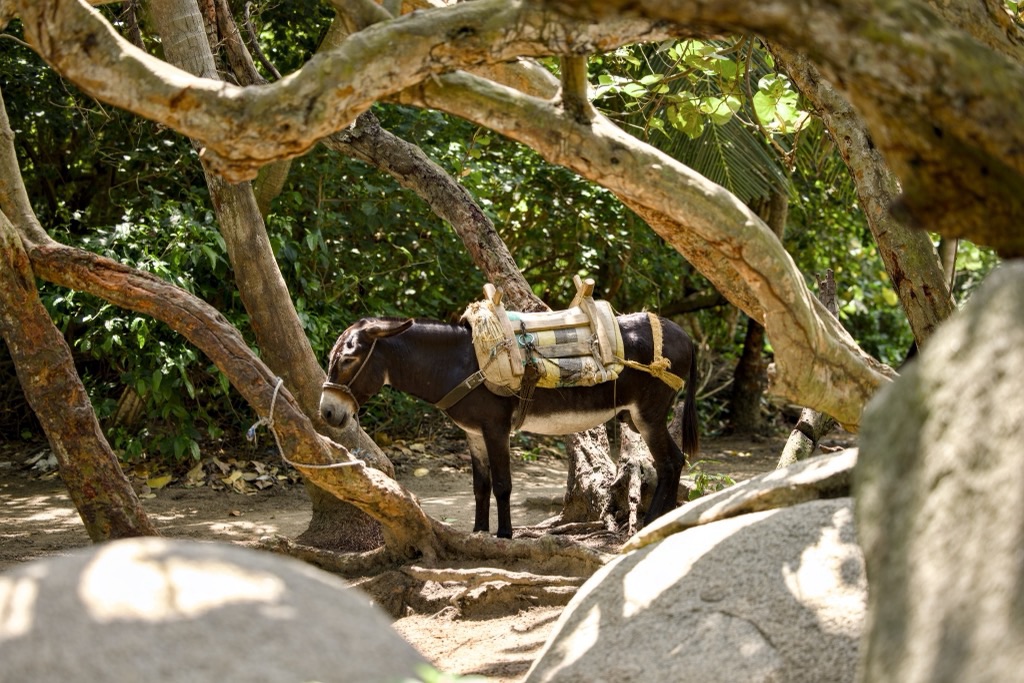
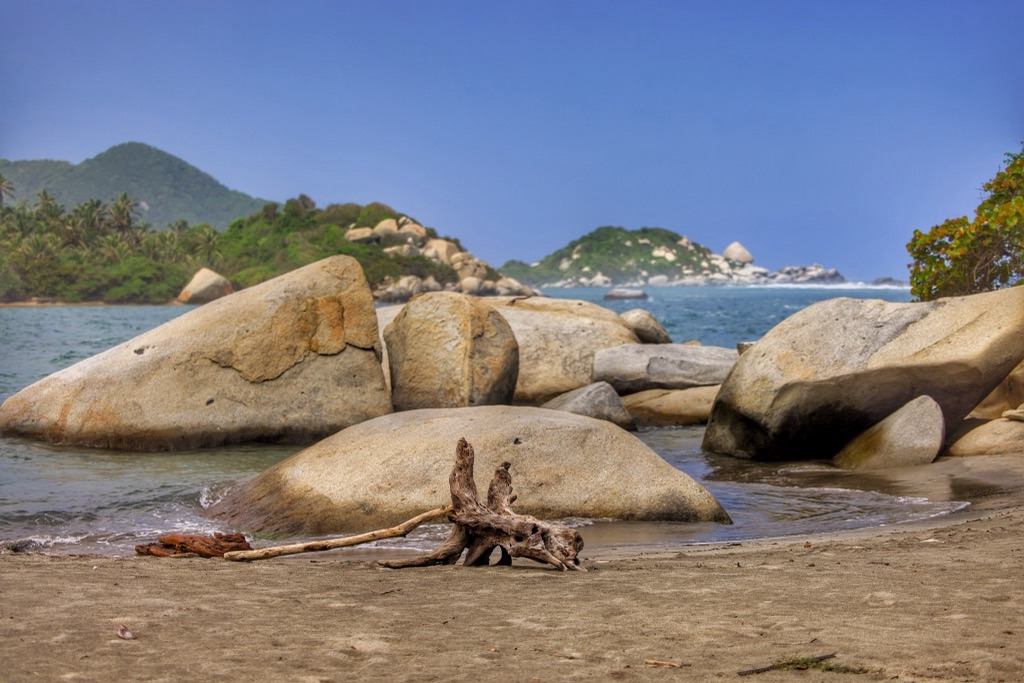
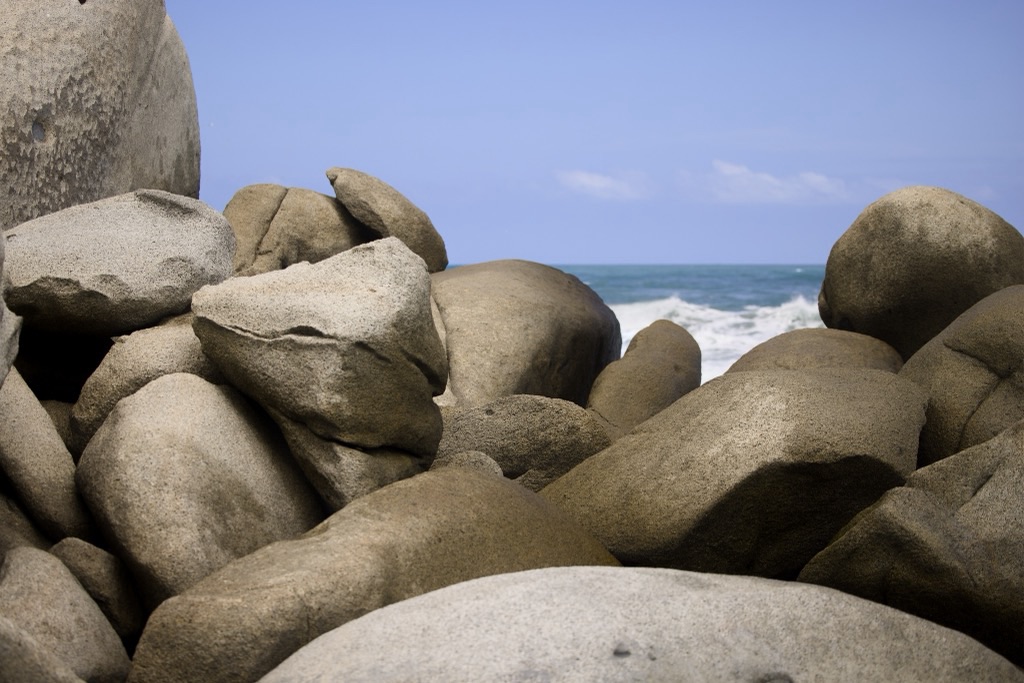
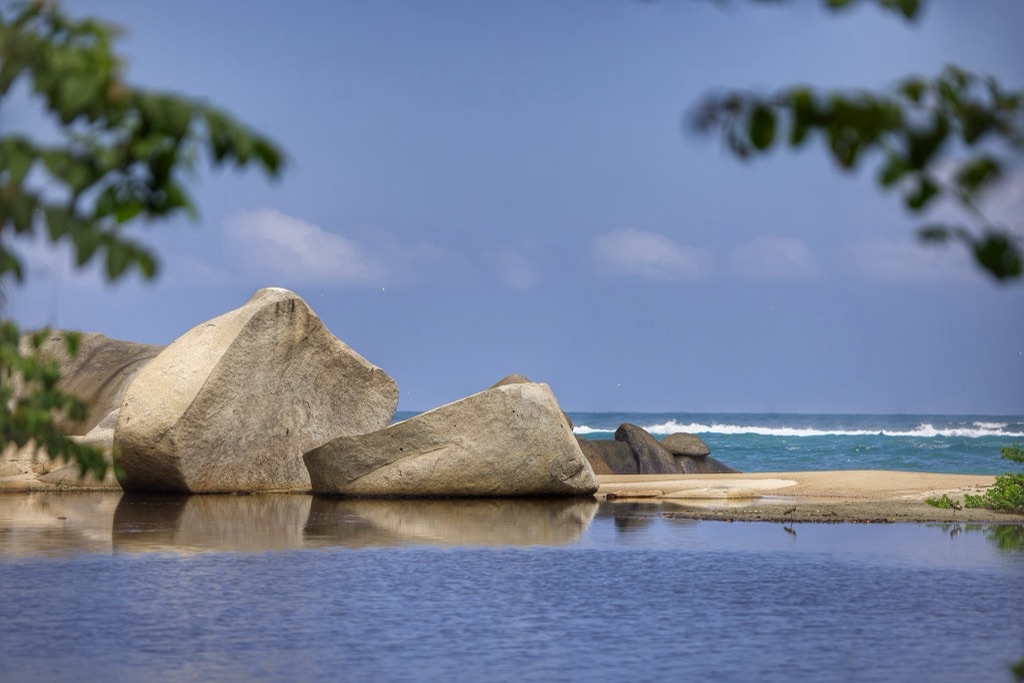
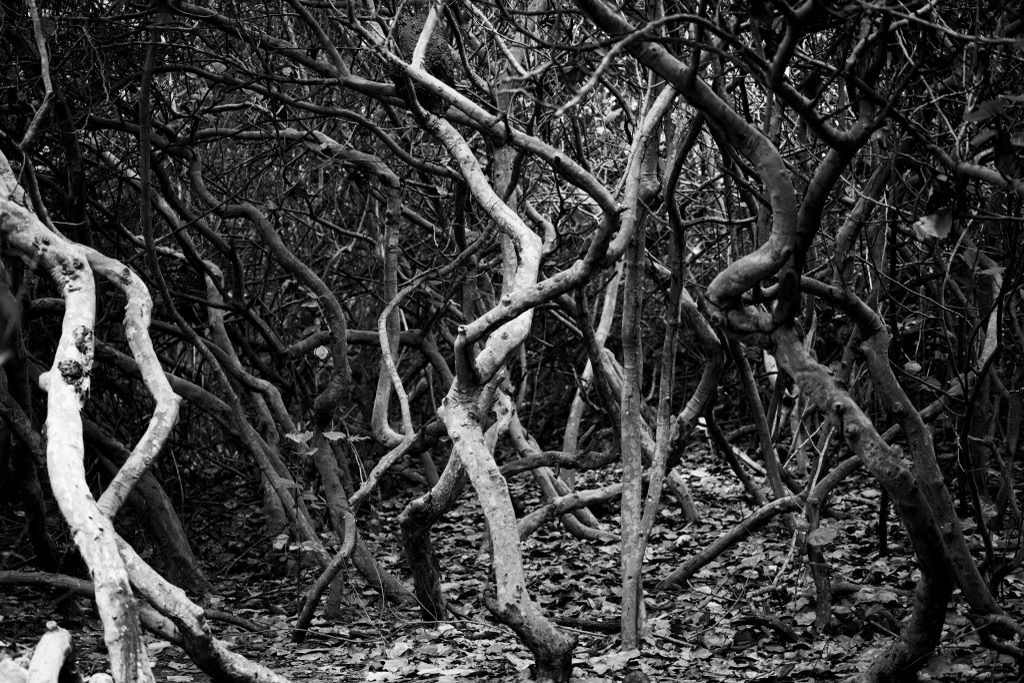
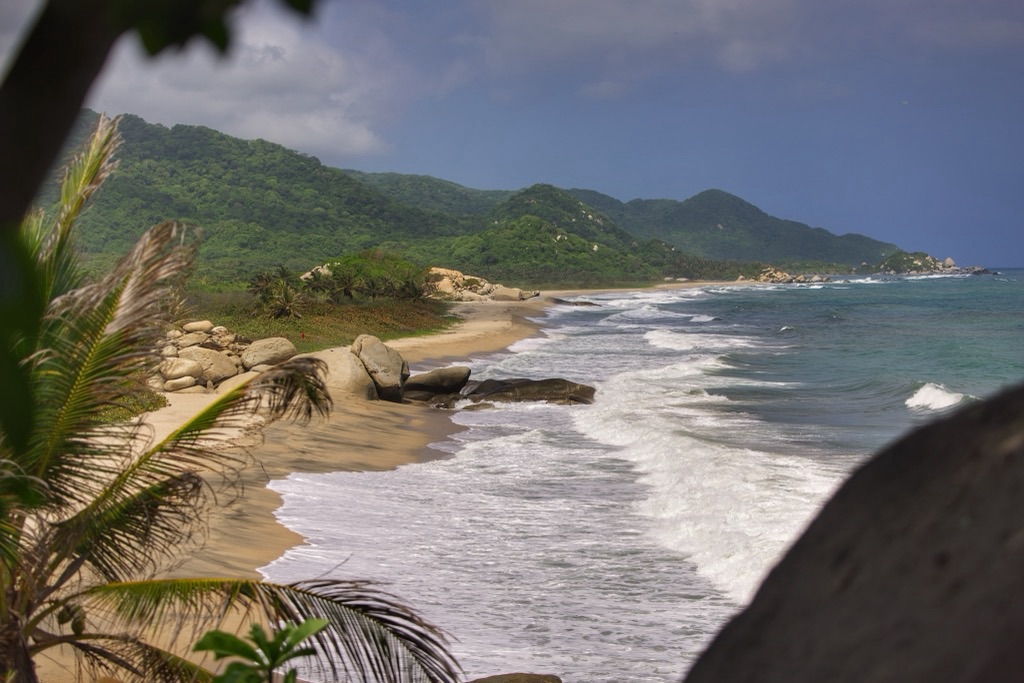
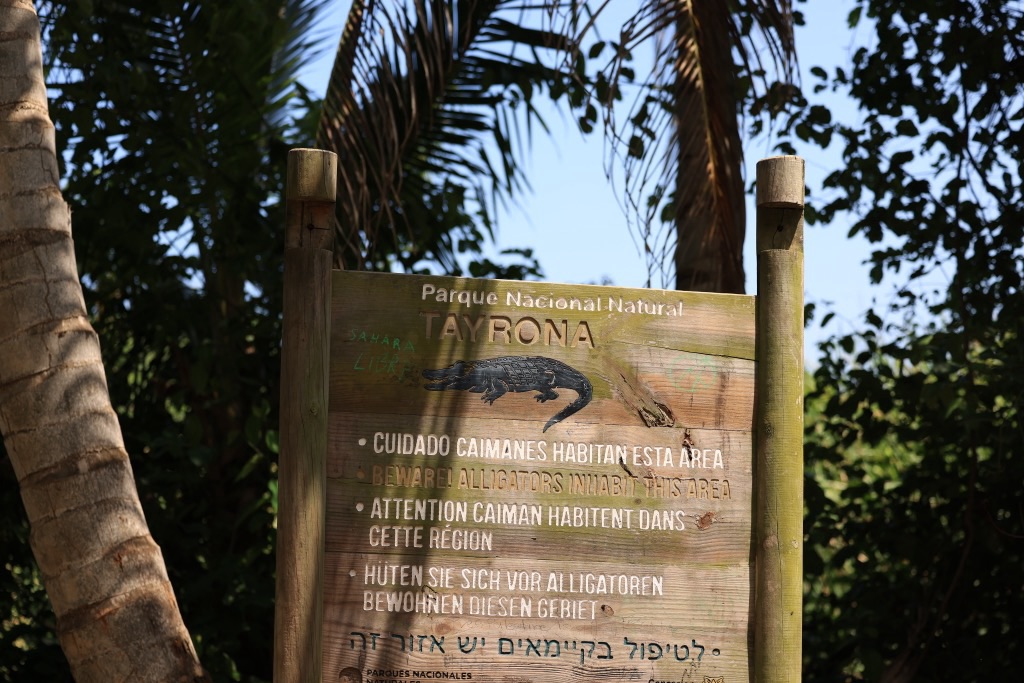
The following day, we had an early breakfast and set out to hike through Tayrona National Park. On our way there, we realised we’d forgotten our passports (required for entry) and so I jogged back to the hotel to get them. Only a 2km round trip but by the time I returned, my T-shirt was clinging to me. By the time we’d got our tickets, and set out into the park, I was drenched through. This was the story of the next 4.5 hours of hiking. We trekked through the jungle out to the coast, seeing Capuchin and Howler monkeys, thousands of butterflies and stunning beaches. Thankfully, locals set up little stalls selling drinks en route, as I’d gone through a litre of water in the first 30 minutes.
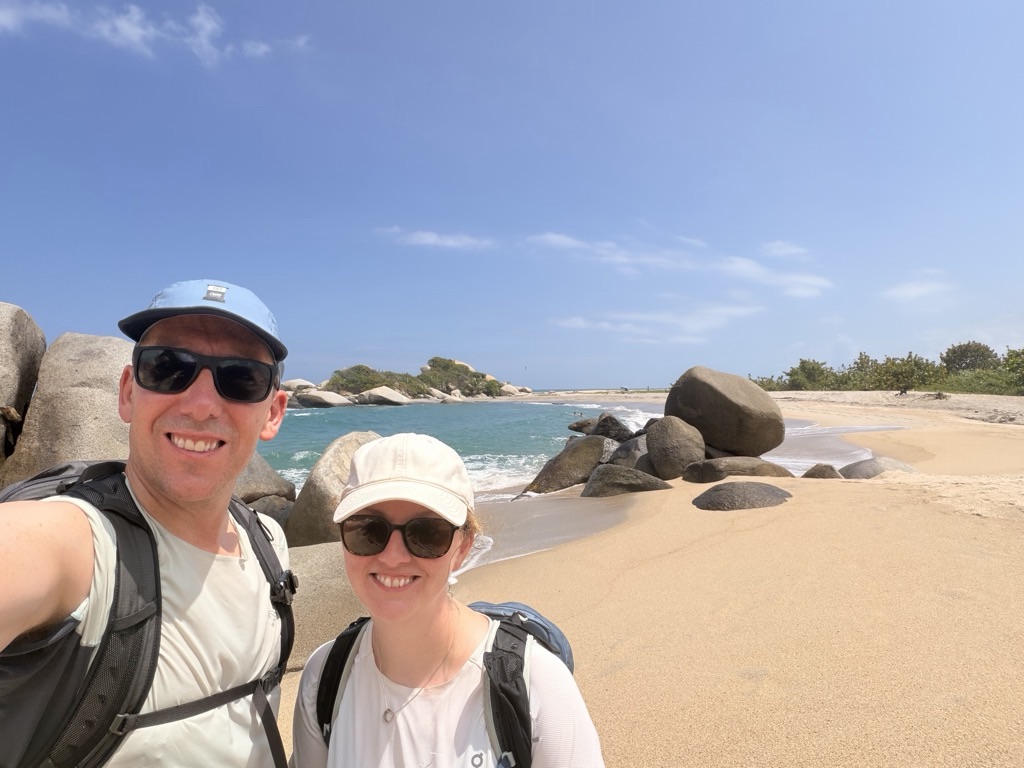
Our final day here was spent doing some admin, catching up with folk (calls, messages to friends), another sweaty run, and lots of swimming. We have spent quite a bit of time over the past week planning ahead for what comes after the world-trip. We’ve now managed to arrange our first few months of 2027 in some detail. You’ll not be surprised to read that it spans several countries. We’ll be back in Edinburgh from the 30th December until 22nd January and are really excited to catch up with everyone!
So, today we leave Colombia. I’m writing this section in Santa Marta’s Simón Bolivar Aeroporto. We’re sat squarely outside the lounge, as a snaffu with our credit card has put a block on it and we’re unable to exercise our Lloyds-given right to free entry. Shona is spending a frustrating amount of time trying to deal with terrible AI banking systems online to unblock her card.
Anyway, we’re flying from here to Bogota, then transferring for a flight to Manaus, Brazil. We land there at something like 3am tomorrow morning, so it’s going to be a long day, only to be plunged back into jungle… but this time, it’s the actual Amazon.
Colombia has been a real revelation for us. Despite a typical (and much cursed) lack of research, we’ve been so surprised by this country. It’s alive. The people embrace life. It’s a land of such vibrance with [loud] music, dancing, bright colours, fiery people and endless amor. It’s also blighted by decades of crime, violence, death and struggle. This blend creates a magnificent place to travel to, and to experience first hand. I can already tell that we’ll find our minds drifting back here, reliving the chaotic tapestry of Colombia.

